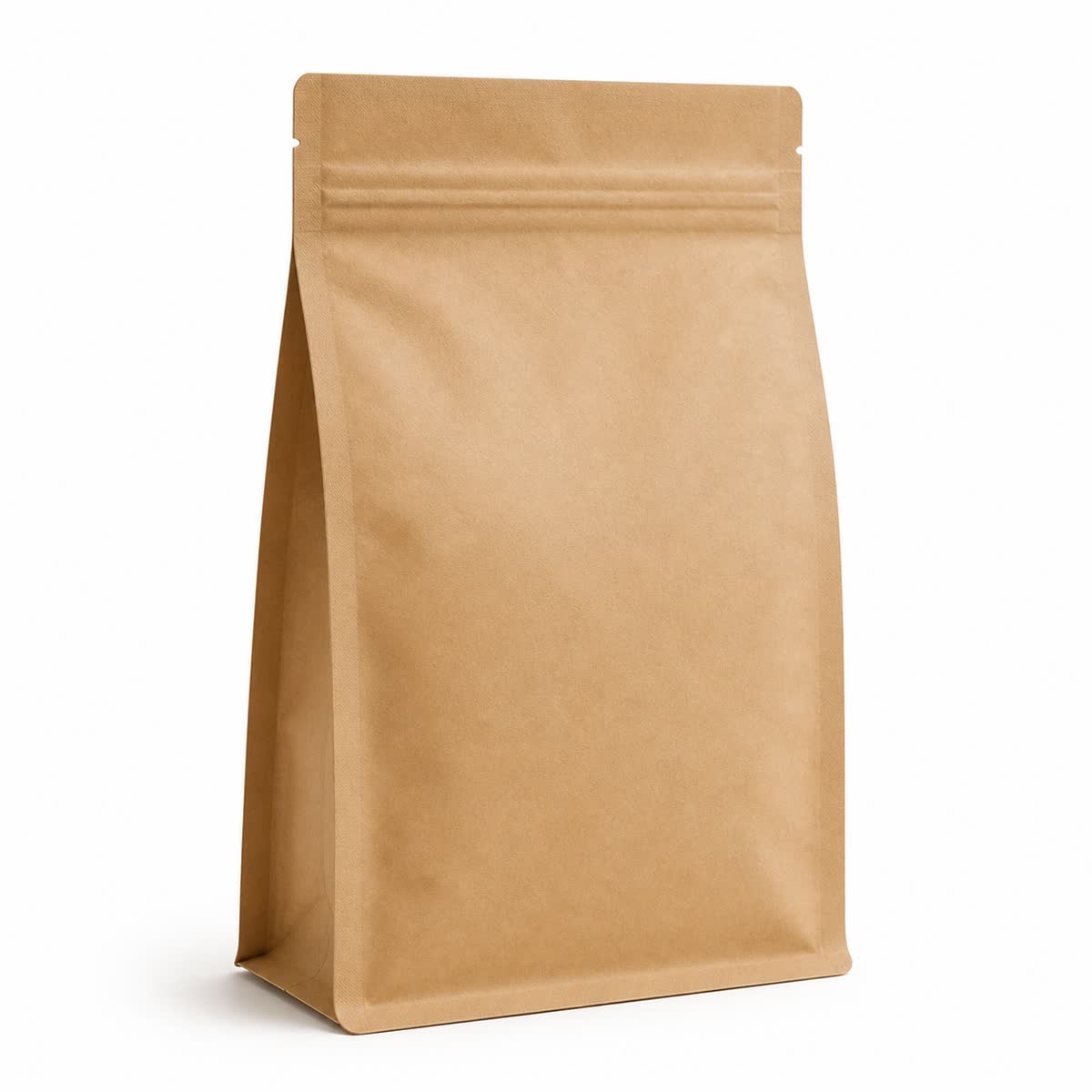
Custom flat bottom pouches
Custom Flat Bottom Pouches for Coffee, Food, and Retail Products
Some products look fine in an empty pouch and awkward once filled. A flat bottom pouch gives coffee, snacks, pet treats, and other dry products a defined base, useful shelf space, and room for the details that affect filling and opening. It also gives brands more usable room for product information and front-of-pack design.
Selling the solution
Start with the product, not the empty pouch
The empty pouch is only half the story. Once filled, the product changes the base, side gussets, headspace, and the way the front panel sits on the shelf. Powders, beans, treats, and irregular pieces can settle differently, so the filled shape matters when the pouch is specified.
Forests starts with the product, fill weight, target capacity, filling method, artwork, and destination. We then review the pouch structure, closure, and sample so the finished format works beyond the drawing. This helps settle practical choices such as resealing, degassing, headspace, and how much of the product should be visible.
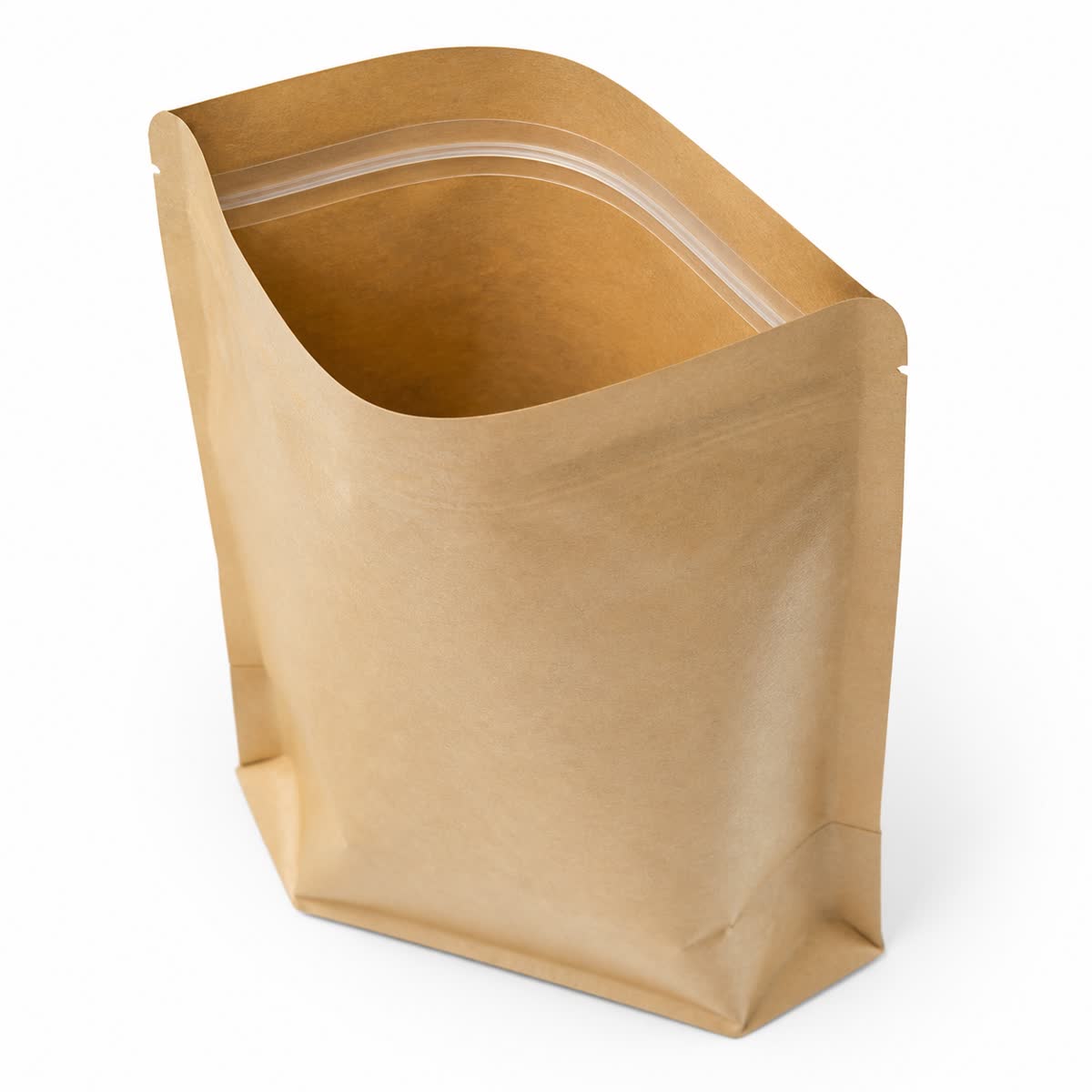
The base has to open properly
A well-formed bottom gusset gives the filled pouch a wider, steadier footprint. Its depth also affects whether the pouch leans or spreads after filling.
Capacity is checked when filled
Fill weight, headspace, and product shape affect the final pouch more than an empty-bag measurement. The same nominal size can look different with beans, granules, or lightweight snacks inside.
The closure should match the product
A zipper, valve, tear notch, or sealed top is chosen around how the pouch will be filled and opened. The closure should feel practical for the user without complicating the sealing process.
A sample catches awkward details
Standing, sealing, print position, and filling can be checked before the order moves to volume. A sample can also reveal artwork that sits too close to a gusset or disappears when the pouch is full.
Product details
Choose the details around the fill
A coffee flat bottom pouch may need a valve and stronger barrier than a snack pouch. A pet food pack may need a larger opening and a tougher structure. The material and finish should follow the product and destination.
Flat bottom and side gussets
Open the base for stable standing and use the side panels for capacity or product information. The wider footprint can make the pack easier to face forward during shelf display.
Flat bottom pouch with zipper
Add resealing for products used over several occasions, or choose a sealed top for a single-use format. For coffee, the zipper and valve are normally considered together.
Barrier layers for the product
Paper, film, foil, and other structures can be reviewed against product sensitivity and shelf-life needs. The final combination should match the actual product and destination market.
Windows and printed panels
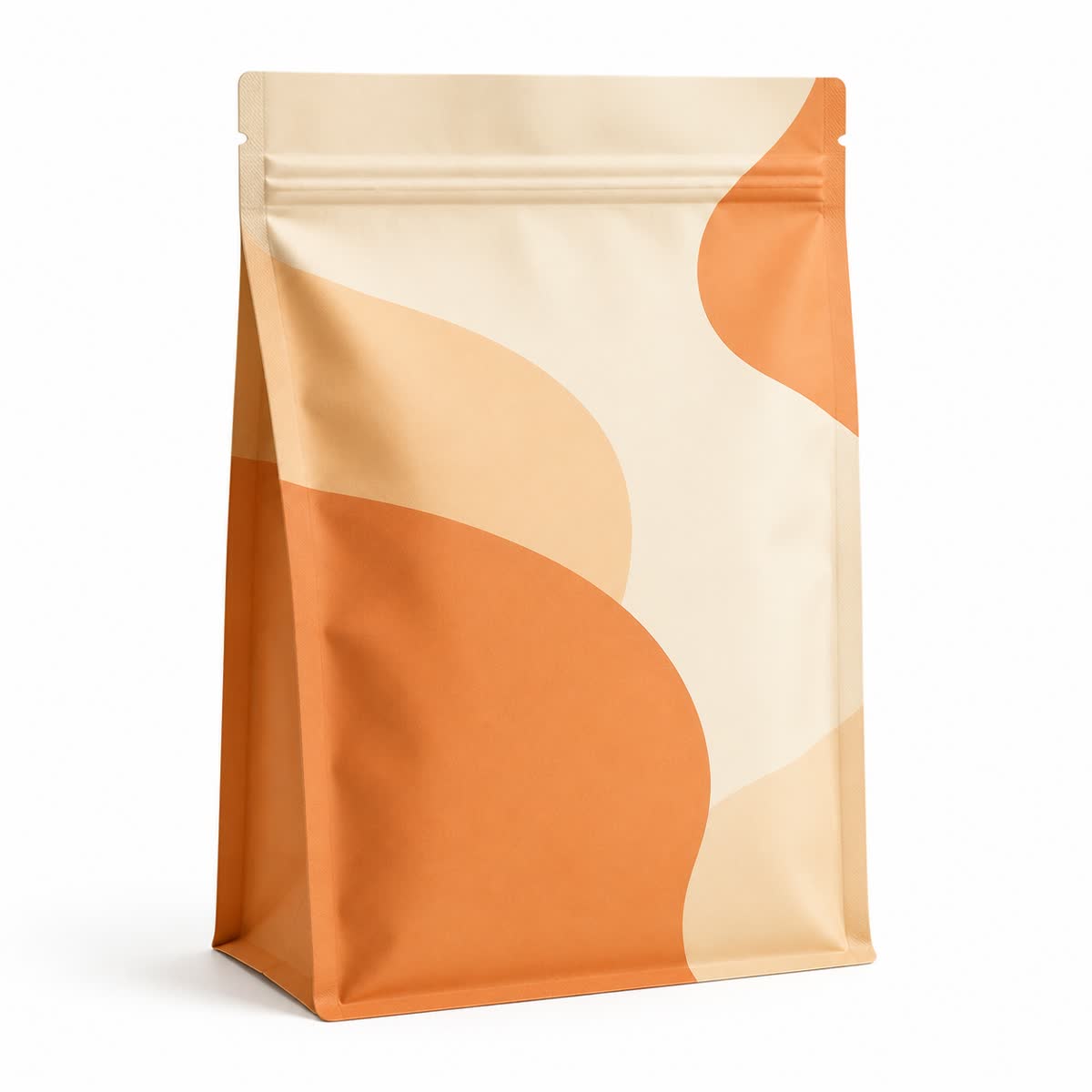
Use the front, back, and side surfaces for product visibility, instructions, and retail branding. A window or selected finish can be discussed after the pouch structure is clear.
Why choose Forests
Keep the approved pouch easy to reorder
Packaging changes when it reaches the filling line. Forests keeps the product brief, artwork, structure, sample, inspection points, and packing details connected so the approved pouch has a clear reference behind it. That reference also helps when artwork changes, another size is added, or a repeat order comes after a gap.
Product details first
We start with the fill weight, product shape, capacity, and filling method.
Structure before quantity
The pouch is reviewed for standing, protection, opening, print, and the shipping route.
Sample before production
Your team can check the filled proportions, closure, artwork, and gusset before the run.
Clearer repeat orders
The approved specifications give the next order a practical starting point.
Pouch formats
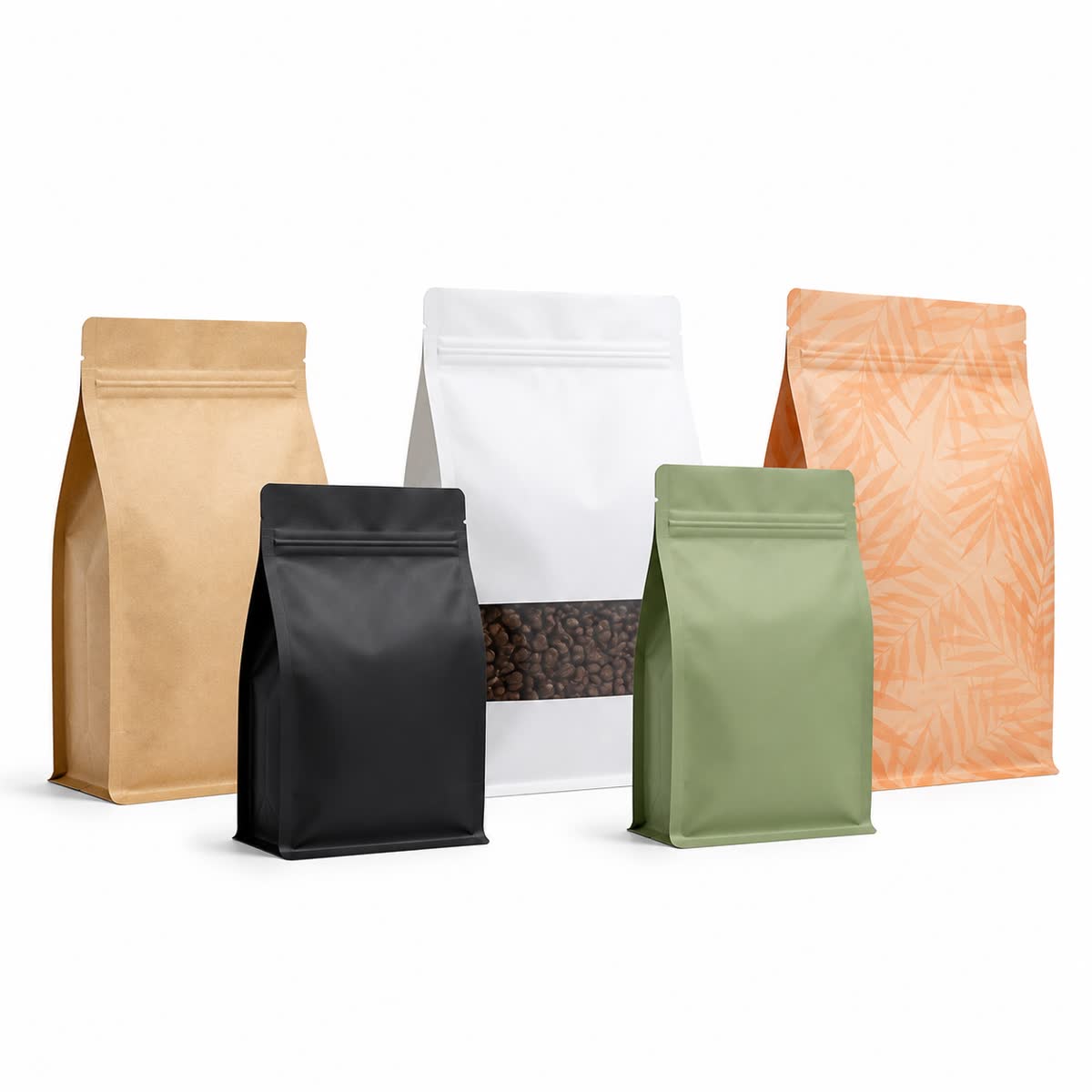
Compare the pouch before you commit to a run
Look at the base, gussets, closure, surface, and scale together. The final size and material depend on the product after filling. The examples help compare formats, but a filled sample remains the best way to confirm a new product.
The final recommendation depends on the product, fill weight, dimensions, closure, material structure, artwork, and destination.
Applications and industries
Made for products that need to stand well
A flat bottom format makes sense when the pack needs a stable base, practical fill volume, and enough surface for retail information. It can be useful when a standard stand-up pouch does not provide enough base support or panel space.
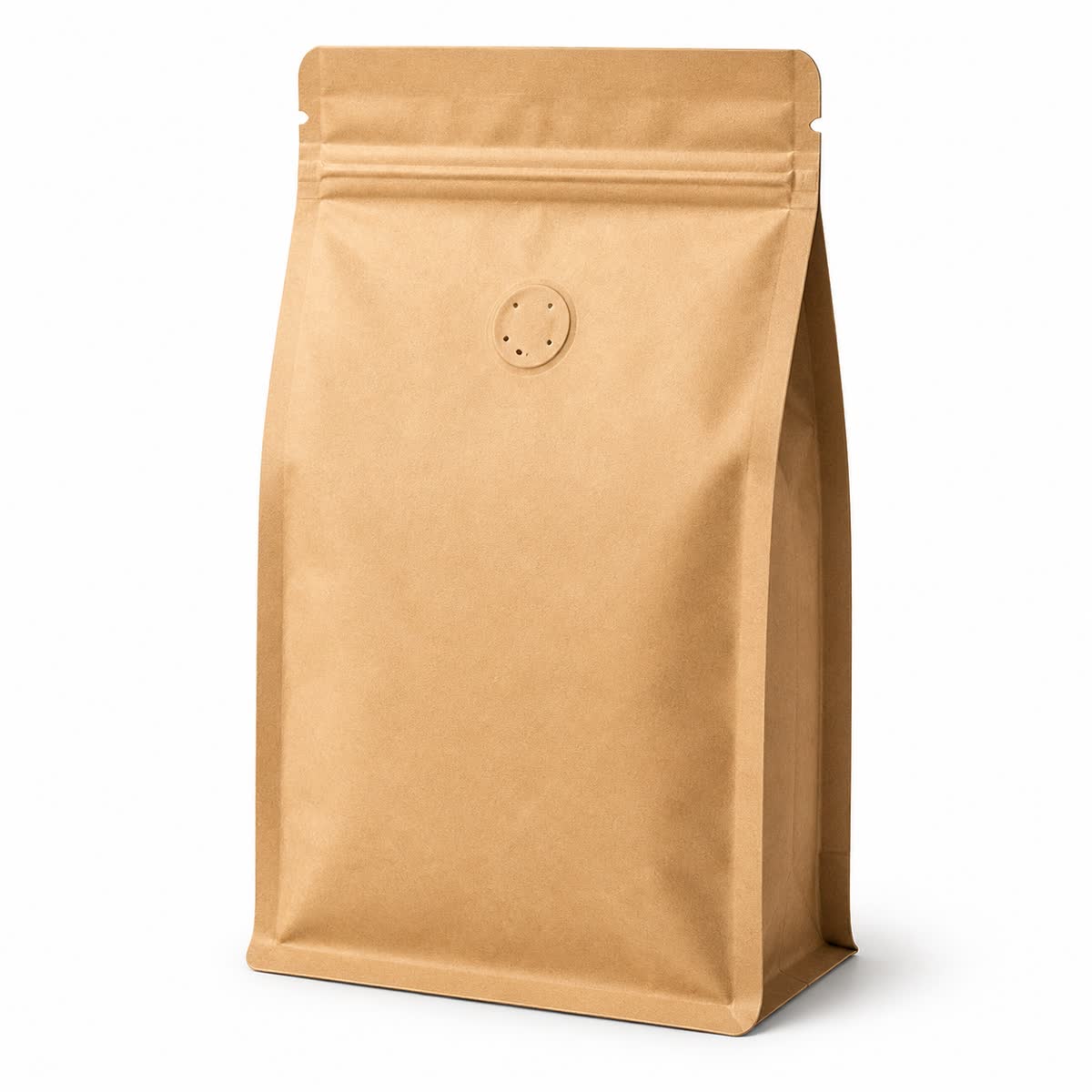
Coffee and tea
Review the valve, zipper, barrier, and fill size around the coffee product.
View coffee packaging
Snacks and dry foods
Use the standing base for retail packs, refill packs, and food-service formats.
View food packaging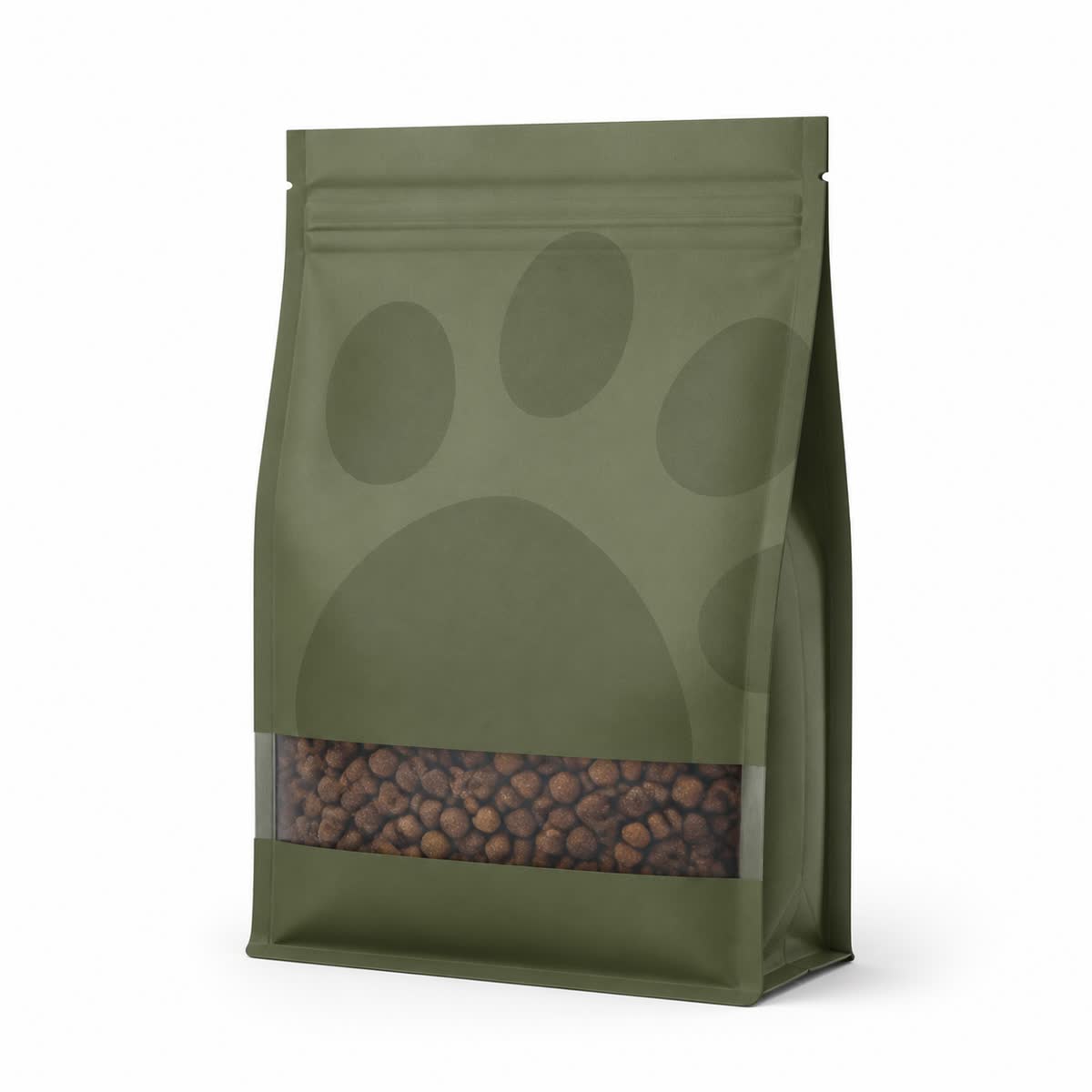
Pet food and treats
Match the opening, structure, and pouch size to the product weight and handling needs.
View pouch packagingCustomer testimonials
What buyers checked before approving the pouch
“We checked the filled pouch, not only the artwork. The sample made the base and front panel much easier to approve.”Elena García · Spain
FAQ
Flat bottom pouch questions before you order
What is a flat bottom pouch used for?
It suits coffee, snacks, dry foods, pet treats, and refill products that need a stable base and a useful printed surface. A wider front panel can also help when the pack needs clear product information at retail. The right format depends on the filled product and how it will be displayed.
What is the difference between a flat bottom pouch and a stand-up pouch?
A flat bottom pouch has a broader base and usually offers more stable standing with front, back, and side panels. A stand-up pouch may be the better fit when the product, fill weight, or packing line calls for a simpler structure. Compare the filled shape, shelf footprint, and filling equipment rather than empty bags alone.
Can I order a flat bottom pouch with a zipper or valve?
Yes. A zipper supports resealing, while a valve is commonly used for coffee that releases gas after filling. The choice depends on the product, filling process, and how the customer will use the pack. Tear notches or sealed tops may suit quick-opening or single-use formats.
How do I choose the right flat bottom pouch size?
Send the product type, fill weight or volume, product dimensions, headspace, and filling method. Size should be checked around the filled pouch, because the contents change the base and gusset shape. Include any existing pouch or filling-line limitation with the brief.
What material is best for a coffee or food flat bottom pouch?
Paper, film, foil, and other barrier structures may be suitable. The final choice depends on product sensitivity, shelf-life target, appearance, food-contact requirements, and destination market. Paper-led or recyclable options still need to meet the required barrier performance and disposal conditions.
Have a flat bottom pouch to develop?
Send the product type, fill weight, target size, closure, artwork, quantity, destination, and deadline. Forests can review the format and prepare the next step for sampling. A photo or filled sample is useful when the product is already packed.
Send Your Packaging Brief to Our Team
Share your product type, format, size, quantity, material, destination, and required date. Our team can support artwork review, sampling, production, inspection, and export coordination.
Contact us for a project-specific recommendation.
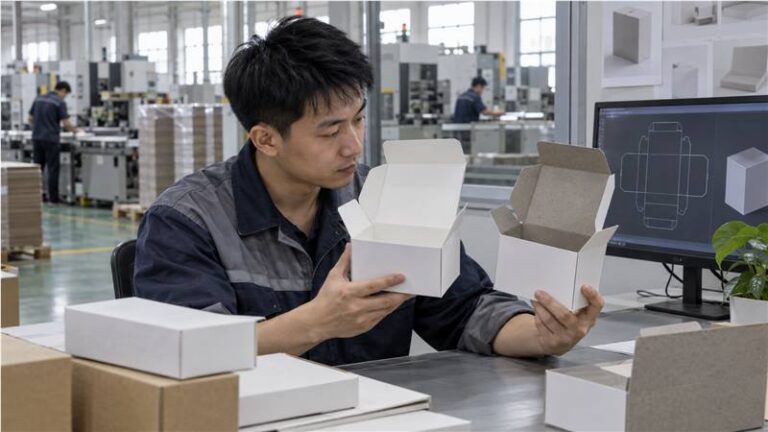
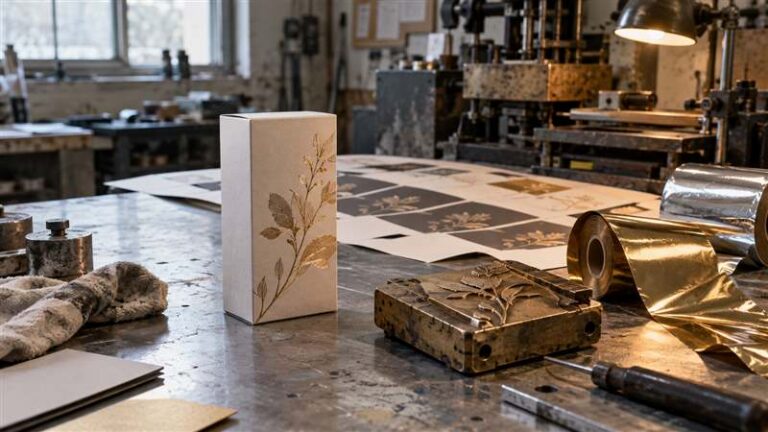
Ready to build packaging with a factory team?
Send your product size, material, artwork, quantity, destination, and deadline so our team can focus the first review on quotation and sampling.