Packaging Design, Materials, and Industry Insights
Practical packaging guidance for brand owners, procurement teams, and product managers comparing materials, structures, sampling, compliance, and delivery with a factory-backed supplier.
Packaging Guides for Brand Owners and Procurement Teams
-

SBS vs CCNB Paperboard: How to Choose the Right Board for Folding Cartons
Read the article →: SBS vs CCNB Paperboard: How to Choose the Right Board for Folding CartonsQuick answer: SBS and CCNB can both be used for printed folding cartons, but they solve different packaging problems. SBS is often the stronger starting point when both sides of the carton will be seen, the artwork relies on pale colors or fine detail, or the product needs a clean white interior. CCNB can be…
-

Hot Foil vs Cold Foil for Packaging: Shine, Cost, Detail & Production Fit
Read the article →: Hot Foil vs Cold Foil for Packaging: Shine, Cost, Detail & Production FitQuick answer: Hot foil stamping is usually the better fit when a package needs a crisp metallic logo, a tactile impression, or a controlled premium finish on a rigid box, folding carton, or textured paper wrap. Cold foil can be a stronger option when the artwork needs broader metallic coverage, printed colour over foil, or…
-

Flexography vs Offset Printing for Packaging: When Flexo, Litho, or Digital Makes Sense
Read the article →: Flexography vs Offset Printing for Packaging: When Flexo, Litho, or Digital Makes SenseQuick answer: Flexography is often the practical choice for direct-print corrugated boxes, kraft packaging, labels, and repeat orders with stable artwork. Offset printing is usually the stronger option for folding cartons, rigid-box wraps, detailed illustrations, and brand-sensitive color work. Digital printing is useful when artwork changes often, quantities are limited, or several versions need to…
-
Top 10 Custom Packaging Suppliers to Consider in 2026
Read the article →: Top 10 Custom Packaging Suppliers to Consider in 2026A custom packaging supplier can mean several different things: an online box-ordering service, a design-led packaging partner, or a manufacturer that develops the structure and carries it through production. Each can be the right choice. The expensive mistake is hiring one for a job it was never briefed to do. If you need 200 printed…
-

ECT vs Burst Strength: Which Corrugated Box Test Should You Specify?
Read the article →: ECT vs Burst Strength: Which Corrugated Box Test Should You Specify?Quick answer: ECT, burst strength, and BCT measure different packaging risks. ECT focuses on stacking and edge compression. Burst strength focuses on puncture and tearing. BCT tests the finished carton under compression. For palletized cartons, ECT is usually the right starting point. For sharp or heavy products, burst strength matters more. For large export cartons,…
-
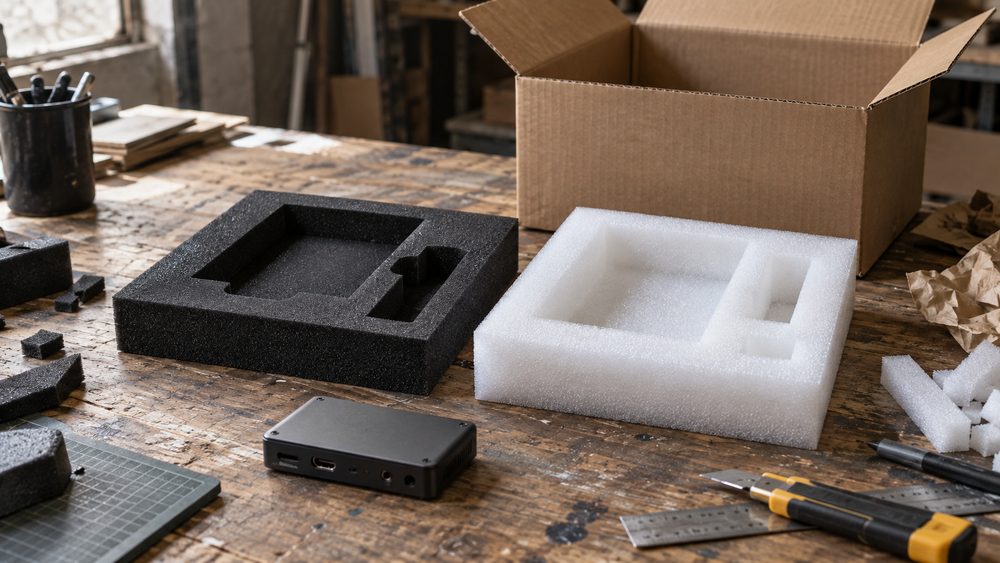
EVA Foam vs EPE Foam for Packaging Inserts: Cost, Fit & Protection
Read the article →: EVA Foam vs EPE Foam for Packaging Inserts: Cost, Fit & ProtectionQuick answer: EVA foam is usually the better choice for a precise cavity, premium presentation, and repeatable positioning. EPE foam is usually the better choice for lightweight cushioning, abrasion control, and cost-sensitive shipping protection. The result depends on density, thickness, cavity geometry, clearance, outer-box strength, and the handling route. A color sample is not enough.…
-
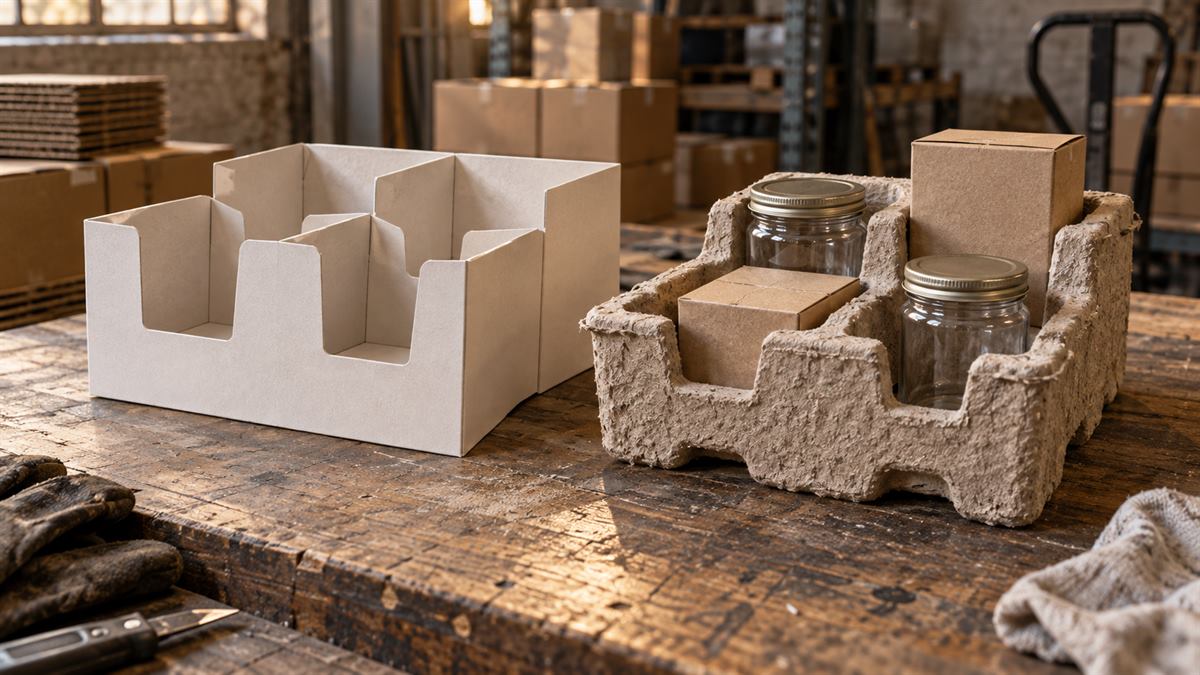
Paperboard vs Molded Pulp Inserts: Which Fits Your Product?
Read the article →: Paperboard vs Molded Pulp Inserts: Which Fits Your Product?Quick answer: Paperboard inserts suit lightweight products, multi-item kits, flat shipping, printed instructions, and projects with frequent SKU changes. Molded pulp inserts make more sense when a fixed product shape needs three-dimensional support and the project volume can justify a product-specific mold. Neither material wins every project. The decision depends on product weight, fragile areas,…
-
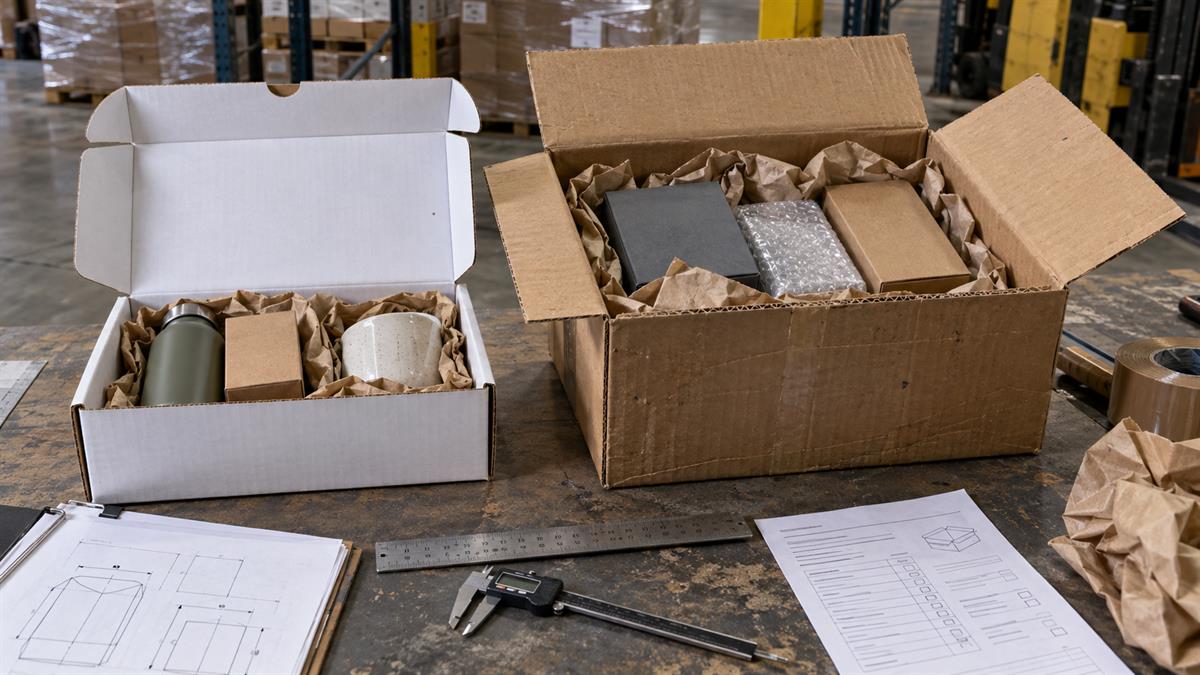
Mailer Box vs. Shipping Box: Which One Fits Your Product and Shipping Route?
Read the article →: Mailer Box vs. Shipping Box: Which One Fits Your Product and Shipping Route?Quick answer: Choose a mailer box when the product is compact, the pack-out needs a built-in closure, and the customer experience matters. Choose a shipping box when the load is heavier, irregular, fragile, or likely to need separate cushioning and a stronger outer shell. The better choice depends on the packed product, handling route, and…
-

Is Wax Paper Toxic When Baked? Wax Paper vs Parchment Explained
Read the article →: Is Wax Paper Toxic When Baked? Wax Paper vs Parchment ExplainedQuick answer: Wax paper is not automatically toxic, but it is not a general-purpose oven liner. Its wax coating can soften, transfer, smoke, scorch, or burn when directly exposed to oven heat. For cookies, roasting, and other uncovered baking, use parchment paper rated for the temperature and method. Some manufacturers allow wax paper under a…
Ready to build packaging with a factory team?
Send your product size, material, artwork, quantity, destination, and deadline so our team can focus the first review on quotation and sampling.