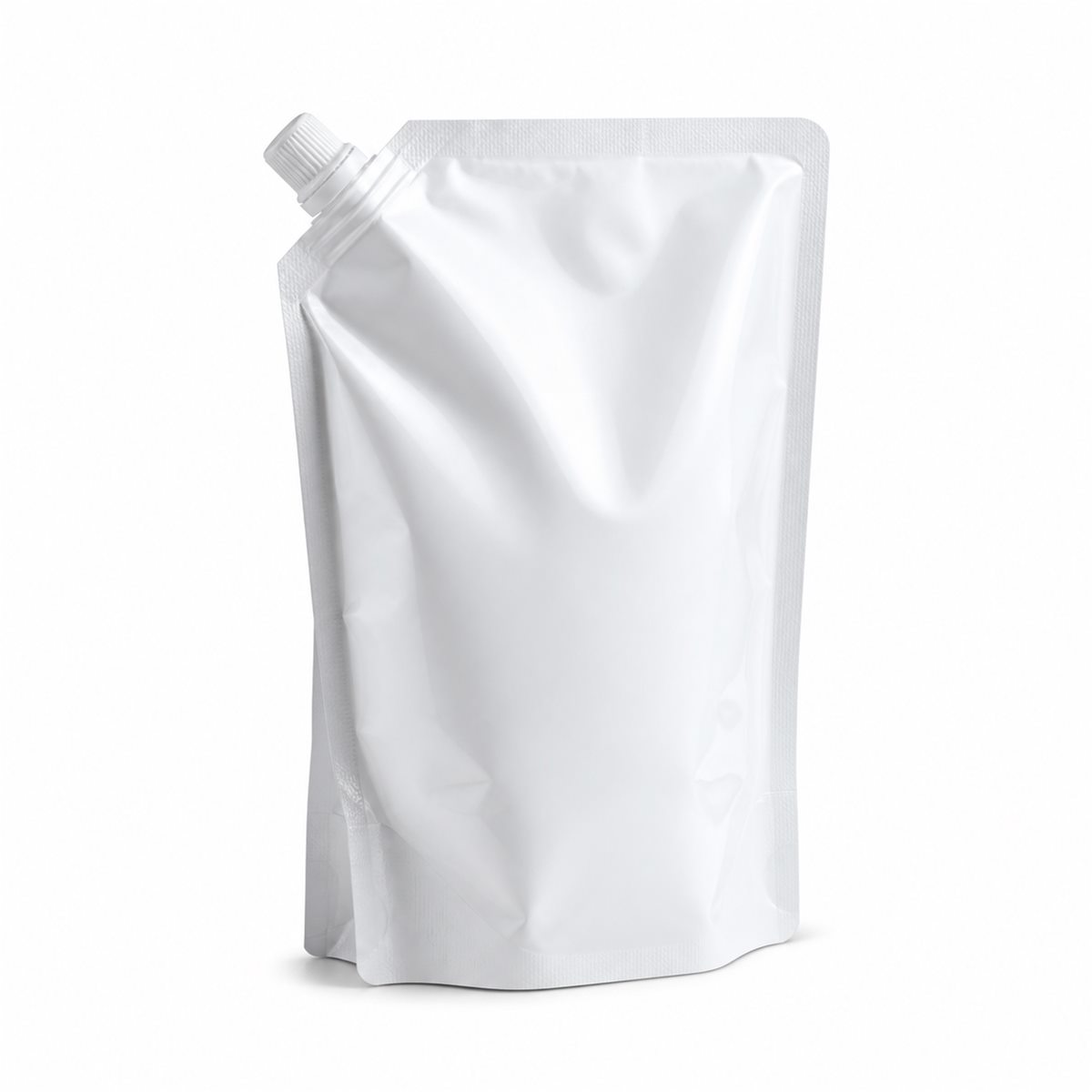
Custom spout pouches
Custom Spout Pouches for Liquids, Sauces, Beverages, and Refills
Custom spout pouches give liquid and semi-liquid products a lighter format for pouring, squeezing, refilling, or carrying. The right result depends on more than the pouch shape: fill volume, product flow, spout position, cap, film structure, seal, filling method, and shipping route all need to agree before production.

Selling the solution
Start with the liquid, then choose the pouch
When buyers search for a liquid pouch, they are usually trying to solve a practical problem: how to fill it, close it, carry it, pour it, and ship it without adding unnecessary weight or handling. A spout pouch can work well for a refill or portable format, but a standard size is not automatically the right fit for every product.
Forests reviews the packed volume, viscosity, filling method, temperature, shelf-life target, spout position, cap, artwork, destination market, and shipping route before the sample is approved. That gives the pouch a job beyond looking good in a photo: it must open where the user expects, seal around the actual product, and remain a usable reference for the next order.
The opening should match the pour
A corner spout can direct a pour; a top or centre spout may suit drinking, refilling, or a different hand position. Product flow and filling access decide the placement.
The film should match the product
Clear, matte, kraft-look, foil, and other laminated structures can be compared around light, moisture, oxygen, aroma, grease, and the expected shelf life.
The closure must fit the route
Spout, cap, heat seal, fill level, outer packing, and handling conditions affect leak resistance. They need to be reviewed as one specification.
The sample should answer real questions
A physical spout pouch sample lets the team check fit, standing position, opening, pouring or squeezing, artwork, and filling assumptions before a larger run.
Features and benefits
Choose the details that affect liquid pouch performance
Spouted pouches are often chosen because they are light, flexible, and easy to dispense. Their performance comes from the small decisions around that format. The cap, opening, film, seal, print area, and bottom construction should be selected around the product and the way it will be packed.
Top, corner, or centre spout
Position affects pouring direction, grip, filling access, display orientation, and how much product remains in the pouch after use.
Cap and resealing choice
Closure options can be reviewed around repeat use, tamper expectations, product flow, cap fit, and the intended market.
Film structure and barrier
Material selection starts with the liquid and its exposure to oxygen, moisture, light, aroma, grease, heat, and handling.
Print, finish, and shape
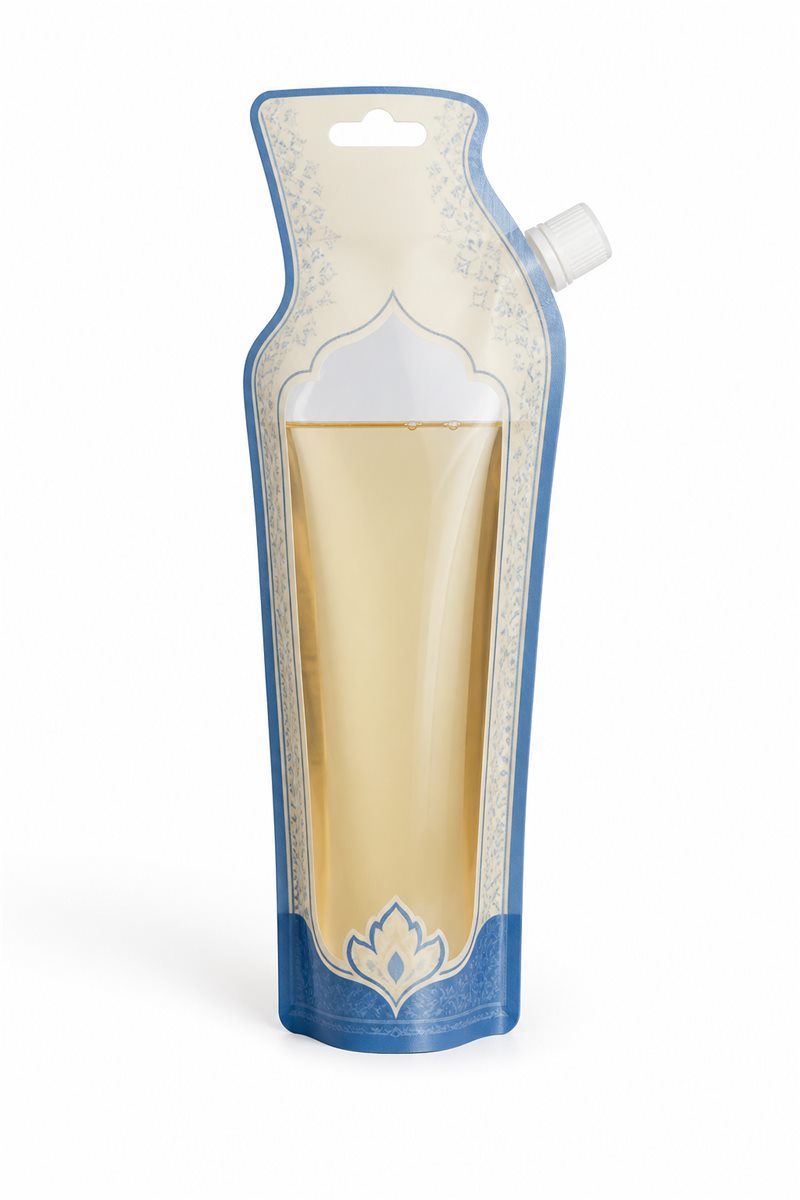
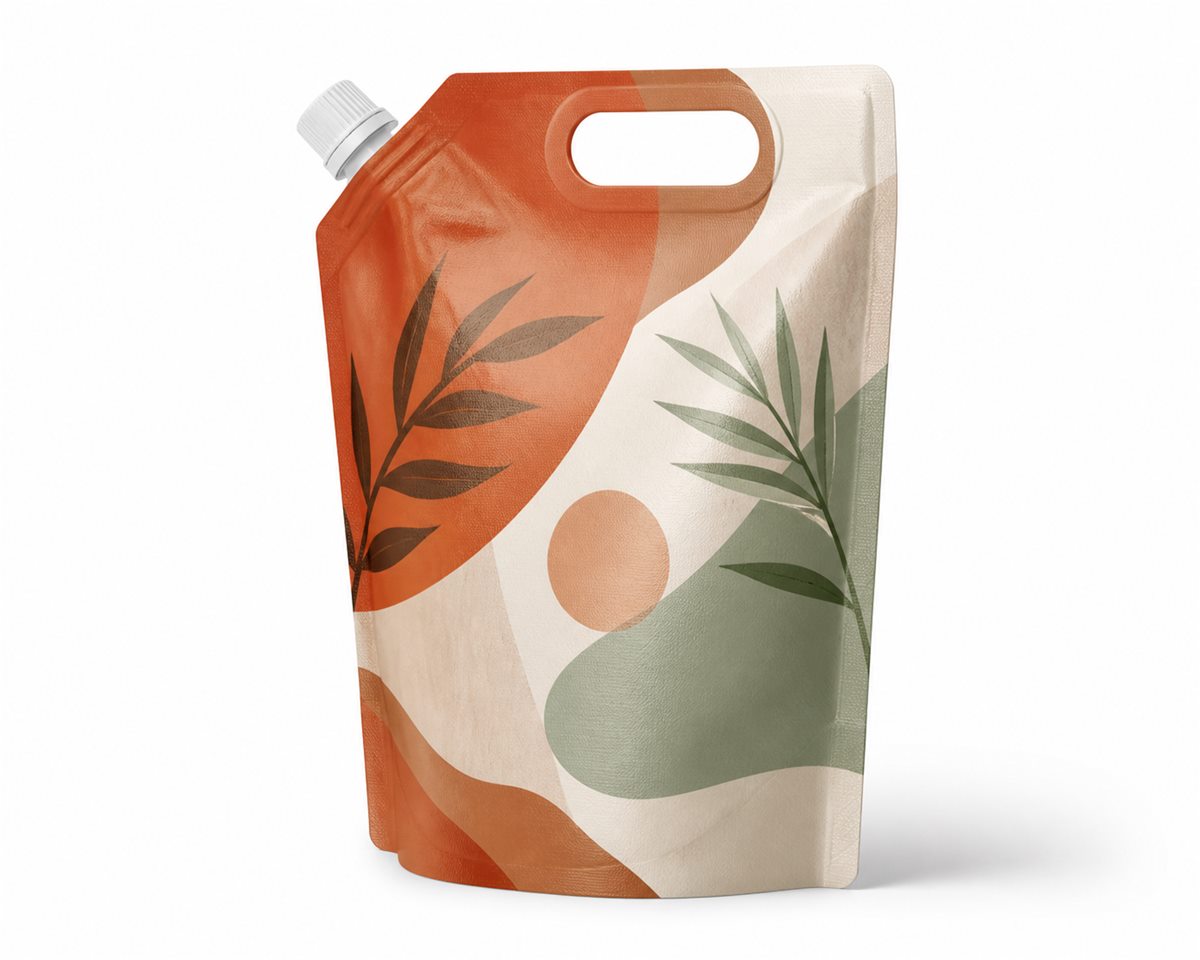
Artwork, clear windows, matte or gloss finish, barcode space, gusset, handle, and shaped edges all need to fit the final pouch geometry.
Why choose Forests
Keep the brief, sample, and production plan together
Spout pouch development is easier when the packaging brief is connected to the filling line and the final destination. Forests Packaging Group brings international trade, supply-chain, factory, and project communication into the same working process. The Shanghai intelligent factory and iForest Hangzhou branch are part of the company’s wider operating setup.
Describe the packed product
Start with product type, fill volume, viscosity, temperature, use case, and the way the pouch will be filled and handled.
Set the working specification
Dimensions, spout position, cap, film, barrier, print area, seal, and packing assumptions are reviewed before artwork is treated as final.
Use samples to check fit
Review the pouch shape, standing position, opening, pouring or squeezing, artwork, seal detail, and filling access with a physical sample.
Keep a repeat-order reference
Approved artwork, pouch construction, material direction, inspection points, packing notes, and destination details make the next discussion clearer.
Gallery
Different spout pouch formats and printed structures
The gallery shows possible directions, from portable drink pouches to refill formats, clear windows, integrated handles, and printed shapes. Final availability depends on the product, film, cap, filling method, quantity, and market.
These are product references, not a promise that every displayed material, cap, volume, or filling process is suitable for every project.
Applications and industries
Match the pouch to the product and filling route
A spout pouch works best when its opening, barrier, filling method, and delivery requirements are considered together. These three application paths cover different product decisions, so the page does not treat every liquid as the same.
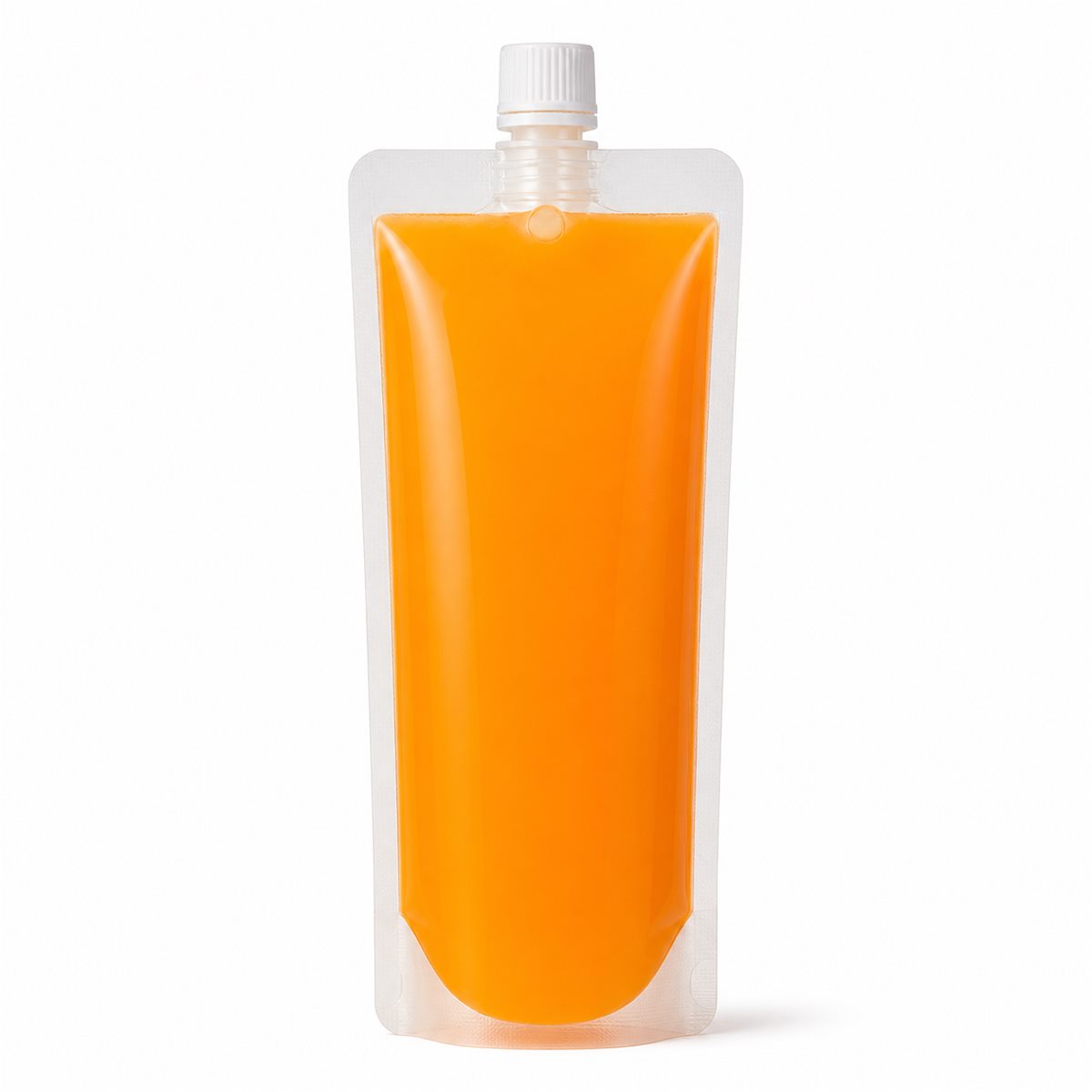
Beverages and drink concentrates
Juices, smoothies, functional drinks, and concentrates may need a portable format, controlled opening, suitable barrier, and a filling plan that matches the product.
View food and beverage applications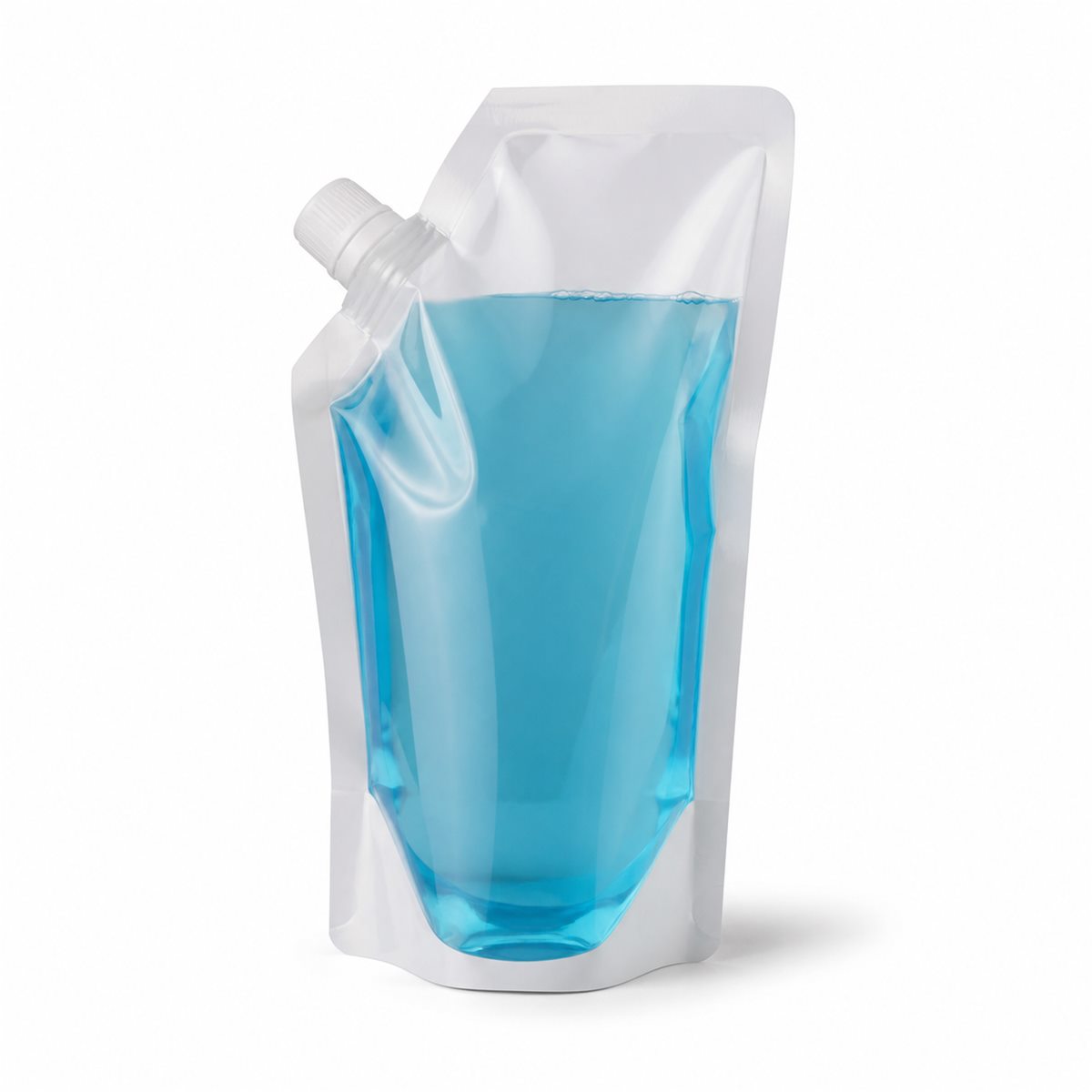
Household refills and cleaning products
Liquid soap, detergent, and compatible cleaners need attention to pouring control, cap fit, chemical compatibility, storage, and the refill routine.
View home care and cleaning applicationsBeauty and personal-care refills
Shampoo, body wash, and other compatible personal-care liquids can be reviewed around closure, dispensing, product contact, appearance, and retail handling.
View beauty and skincare applicationsCustomer testimonials
What buyers checked before approving the pouch
“The sample helped us settle the spout position before the filling discussion moved on. That small check saved a lot of back-and-forth.”Sofia Mendes · Portugal
FAQ
Spout pouch questions before you order
What information should I provide for a custom spout pouch?
Start with the product, fill volume or weight, viscosity, filling temperature, expected shelf life, and how the pouch will be stored, opened, and shipped. Product chemistry, light or oxygen sensitivity, cap preference, dimensions, quantity, destination market, and artwork status help narrow the structure before sampling.
How does the filling method affect spout pouch design?
A pre-made pouch and a form-fill-seal line do not use the same working assumptions. The filling head, spout access, fill speed, product temperature, air removal, pouch orientation, and final seal all affect the usable dimensions and should be checked before approval.
How are spouted pouches made?
Flexible film is selected for the product, printed or kept clear, and formed into the required pouch shape. The bottom, side seals, spout, cap, handle, window, and other details are assembled and sealed to the approved specification, followed by checks suited to the project.
How do you seal a spout pouch without creating leaks?
Leak resistance is not determined by the cap alone. Film compatibility, spout insertion, heat-seal settings, seal width, fill level, product residue, handling, and outer packing all matter, so the actual product and filling conditions should be used during sample review.
Should I choose a corner spout, top spout, or centre spout?
Choose the position from the way the pouch is held and emptied. Corner spouts can direct a pour, while top or centre openings may suit drinking, squeezing, or an upright display format; filling access and product flow still need to be checked.
Can a spout pouch be used for hot-fill or food-contact products?
Possibly, but the answer depends on the product, temperature-time profile, film layers, spout, seal, filling line, and destination-market requirements. Food-contact or hot-fill suitability should be confirmed with relevant documents and an approved sample, not inferred from a similar-looking pouch.
Where can I buy custom spout pouches for a production run?
Look for a supplier that can discuss the packed product, filling process, material structure, spout and cap, sampling, inspection, quantity, and delivery route before quoting. A sample and written specification are more useful than choosing from a catalogue photo alone.
Have a liquid packaging project to review?
Send the product type, fill volume, viscosity, pouch size, spout position, cap preference, filling method, artwork status, quantity, target market, shipping destination, and deadline.
Send Your Packaging Brief to Our Team
Share your product type, format, size, quantity, material, destination, and required date. Our team can support artwork review, sampling, production, inspection, and export coordination.
Contact us for a project-specific recommendation.
Ready to build packaging with a factory team?
Send your product size, material, artwork, quantity, destination, and deadline so our team can focus the first review on quotation and sampling.