Busch Light Can Packaging: When the Can Becomes the Promotion


Quick answer: A limited-edition busch light can worked because the artwork did more than refresh the shelf. Fish illustrations, a rare gold variant, coordinated multipacks, and a prize mechanic gave shoppers a reason to look closely and talk about what they found.
The useful lesson for other beverage brands is not to copy the fishing theme. It is to treat the can, the multipack, the print process, and the campaign mechanic as one packaging system.
What Made the Busch Beer Promotion Different?
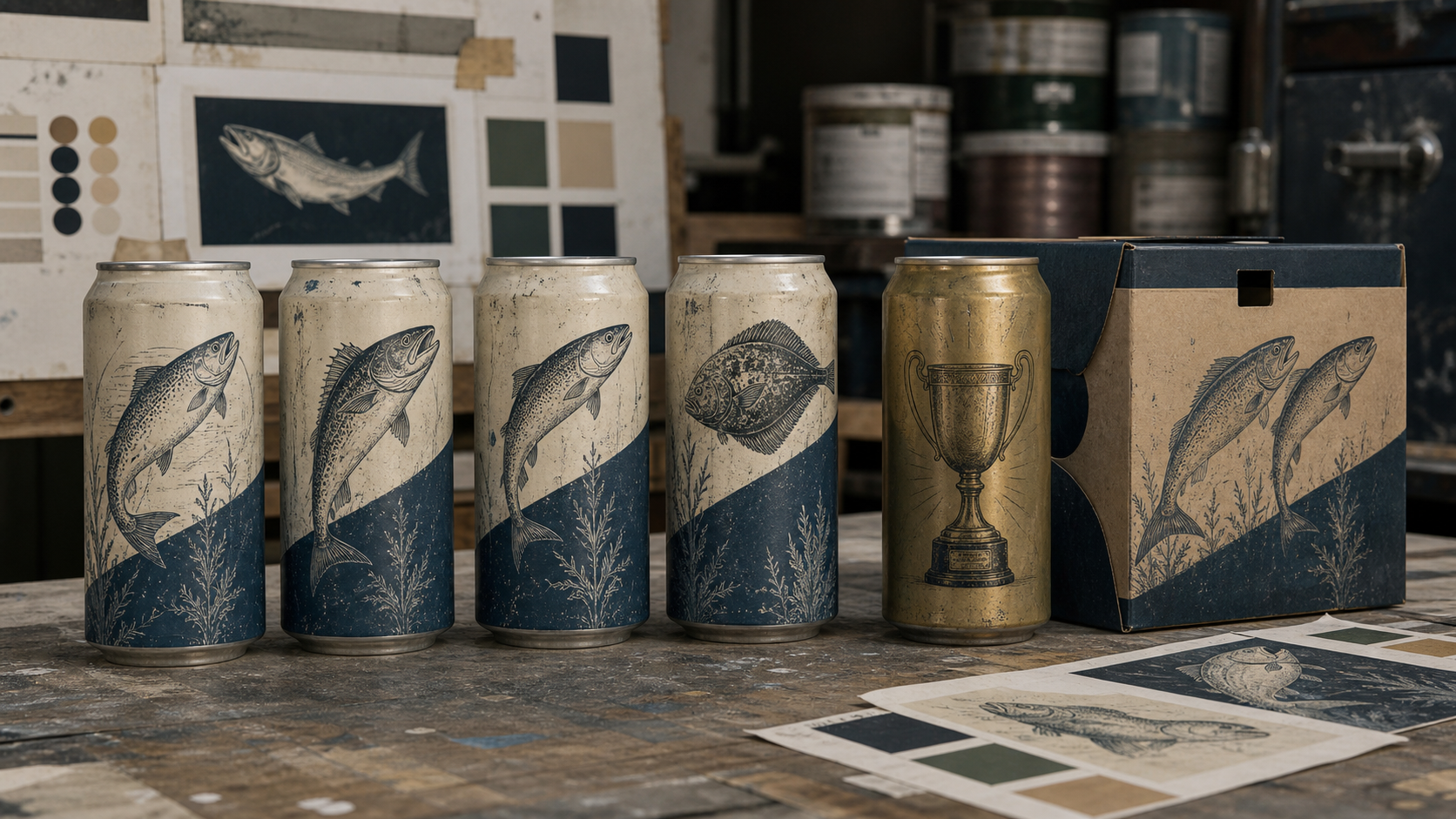
The campaign reported by Packaging Digest used a fishing theme across both individual cans and paperboard multipacks. Four game-fish illustrations connected the package to lakes, rivers, and the people who already associated Busch with outdoor time.
The fish designs gave the shelf a reason to change
The graphics represented red drum, largemouth bass, cutthroat trout, and sockeye salmon. That detail mattered. The designs were not random decoration; each fish pointed to a familiar fishing environment and helped the promotion feel made for a particular audience.
The gold can created the discovery moment
The rare gold “trophy can” gave the campaign a simple hook: most packs looked collectible, but a few contained something noticeably different. The reported promotion randomly distributed 100,000 gold cans in decorated multipacks. Consumers then photographed the can and entered the prize promotion online.
That is a strong packaging mechanic because it starts at the point of purchase. The customer does not need to read a long explanation before becoming curious. The visual difference is sitting inside the package.
The multipack carried the story outside the can
The promotional artwork also appeared on 18-, 24-, and 30-pack paperboard configurations, as well as 25-ounce cans. This is where many limited-edition projects become weaker: the primary package gets all the creative attention, while the carton still looks like a standard stock pack.
Why Limited-Edition Beverage Packaging Works
A normal beverage can has a difficult job. It must identify the product, stay recognizable at a distance, meet required information rules, run through filling and distribution, and still look attractive in a cold case or store cooler. A limited edition adds another job: it must create a small interruption in a familiar buying habit.
Variation attracts attention
One new design can look seasonal. Several related designs look like a system. That difference is important. A series gives shoppers something to compare and gives retailers a reason to show more than one facing.
Collectibility needs a clear boundary
Four or five recognizable variants can feel achievable. Twenty variants may create noise instead of enthusiasm unless the audience is already committed to collecting. The best number depends on run length, shelf space, distribution, and whether the campaign rewards finding one item or completing a set.
Scarcity should be visible, not confusing
A special variant works when people can identify it quickly. Gold, a different finish, a numbered mark, or a clear visual device can do the job. The special treatment still has to protect product identification and legal copy. A prize can should feel special without making the package look like a different beverage.
Brand relevance does the heavy lifting
Fishing made sense for Busch’s outdoor positioning. For another beverage, the same formula might use a local festival, a music partnership, a regional landscape, or a seasonal ritual. The theme should give existing customers a stronger reason to choose the package, not simply decorate it with a fashionable image.
The Collectible Packaging Formula
Variation + achievable collection + scarcity + reward + brand relevance
Remove one of these pieces and the campaign usually becomes less memorable. Too little variation feels ordinary. Too much variation feels random. Scarcity without a reward feels like a printing trick.
This formula is useful when writing a brief for promotional beverage packaging. It forces the team to answer a practical question before artwork begins: what should the customer notice, find, keep, share, or do?
Can and Multipack Packaging Must Be Designed Together
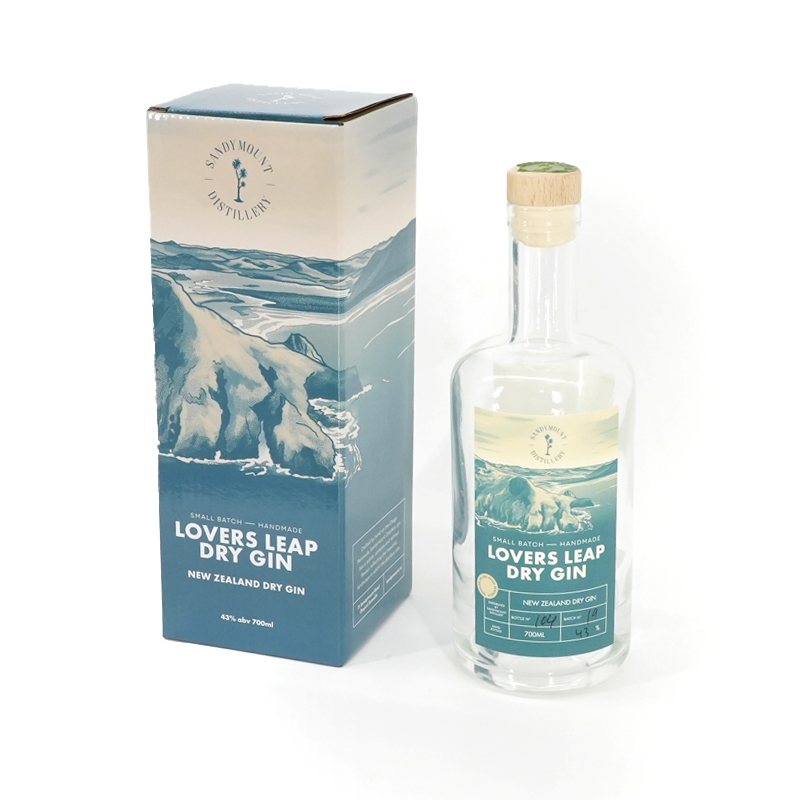
A custom can is only one touchpoint. The shopper may first see the carton, then a can through the opening, then the individual can in a cooler or at an event. The artwork needs enough continuity that these moments feel connected.
Individual cans
The can carries the strongest visual signal. It needs a readable brand block, a controlled color palette, and artwork that still works when the can is partly hidden in a cooler or multipack.
Paperboard multipacks
The multipack has more surface area for the campaign explanation. It can show the full series, explain the special variant, display the participation instruction, and help the retailer recognize the promotion from several feet away.
Trays and displays
For an event or seasonal launch, a tray or display can extend the same visual language. It should not be treated as an afterthought. A tray that uses a different blue, illustration style, or hierarchy can make the promotion look assembled from unrelated pieces.
Printing Considerations for Limited-Edition Beer Cans
The reported Busch promotion used six-color direct printing for the can graphics. That is a useful reminder that the print method is part of the campaign plan, not a decision to postpone until the artwork is finished.
Plan the artwork family first
Before production, create one master file that identifies fixed elements and variable elements. Fixed elements may include the logo, product name, required information, and core brand colors. Variable elements may include fish species, characters, location artwork, prize cues, or edition marks.
Control color across variants
Different artwork does not mean every can should have a different visual identity. A consistent background, logo position, type treatment, or color anchor helps the series read as one brand family. Physical proofs are especially useful when metallic substrates, dark inks, or gold effects are involved.
Do not forget version control
Multiple designs create more opportunities for a wrong file, wrong SKU, or wrong carton combination. A simple artwork register should show the design code, container size, multipack format, quantity, approval date, and intended market.
For a basic overview of how aluminum beverage cans are made and specified, the Can Manufacturers Institute can guide is a useful technical reference before a brand finalizes its container and decoration brief.
Custom Beverage Can or Custom Multipack?
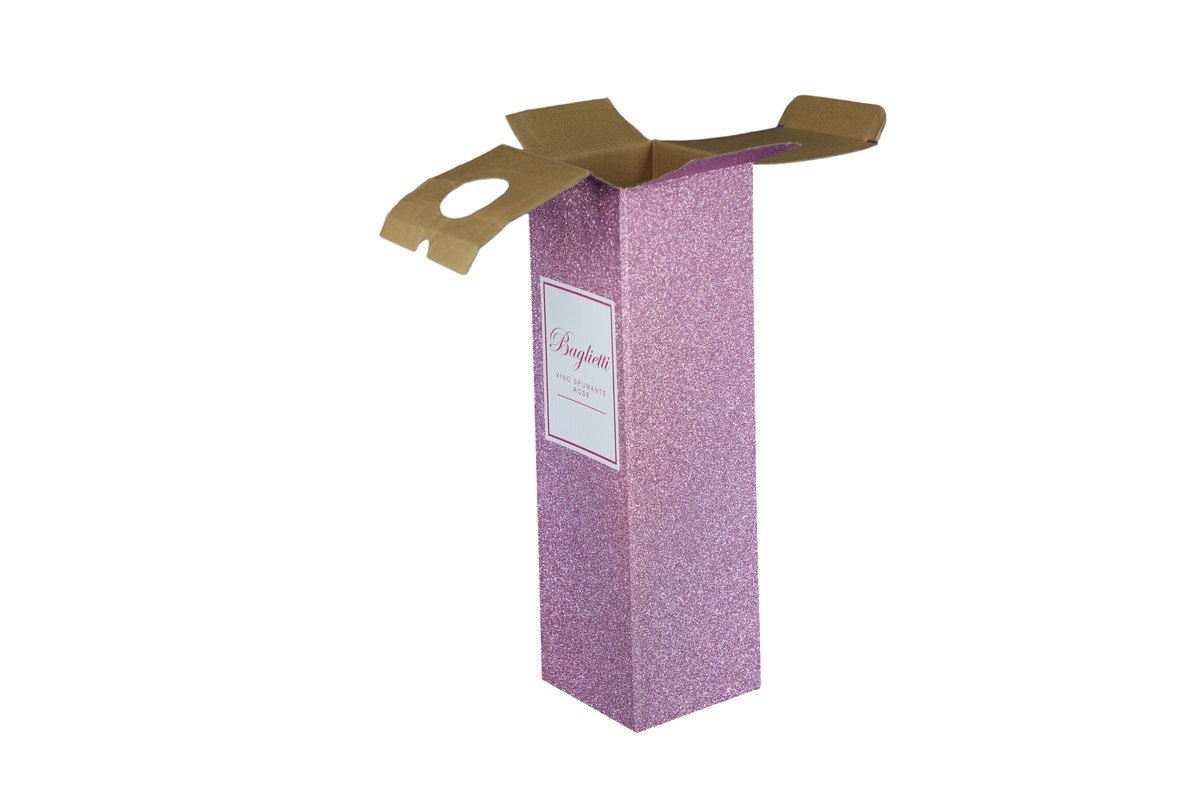
These are related requests, but they are not the same manufacturing job. Beverage-can decoration requires specialist can production and filling coordination. A paperboard carrier, corrugated tray, or retail display belongs to a different packaging supply chain.
Some brands need both. In that situation, the buyer should define who owns artwork control, color approval, dimensions, production timing, and final pack-out checks. A supplier that only produces cartons may not be the right supplier for the aluminum can itself.
For general packaging development, a brand can review beverage and food packaging applications before deciding which parts of the project need a specialist can partner and which parts can be handled as custom secondary packaging.
How to Plan Your Own Limited-Edition Beverage Package
- Define the audience. Write down the community the package is supposed to attract and the behavior you want to encourage.
- Choose the mechanic. Decide whether the campaign is based on collection, a contest, a seasonal release, a regional edition, or an event collaboration.
- Fix the brand anchors. Protect the logo, product name, legal information, and core recognition cues before exploring decorative artwork.
- Set the number of variants. Match the design count to the run length, distribution plan, and realistic production control.
- Design the can and multipack together. Review the complete shelf presentation, not isolated flat artwork.
- Prototype the full pack-out. A printed can proof and a printed carton should be viewed together before mass production.
- Work backward from launch. Artwork approval, proofing, production, filling, distribution, and retail timing all need room for correction.
What to Check on a Promotional Packaging Prototype
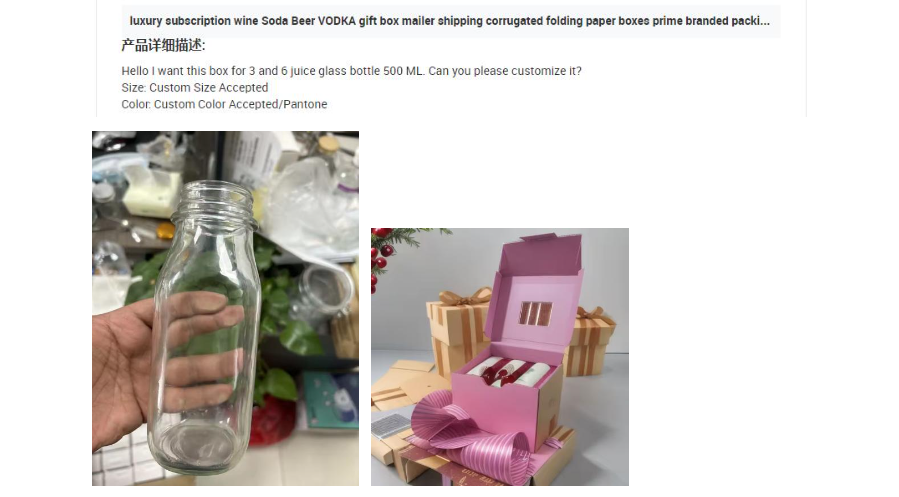
- Is the beverage brand recognizable from normal shelf distance?
- Can customers tell the variants belong to one series?
- Does the special version look different without looking counterfeit or confusing?
- Do the can and multipack graphics share the same visual hierarchy?
- Are required details readable after printing on the actual substrate?
- Does the package still work when partially hidden, stacked, or handled?
- Has someone reviewed the physical sample instead of approving only a screen proof?
Common Mistakes in Promotional Beverage Packaging
The first mistake is treating a limited edition as an artwork swap. A campaign package changes the relationship between the buyer and the pack, so the promotion, artwork, production method, and secondary packaging have to be planned together.
The second mistake is allowing the special graphic to overpower the product identity. A collectible can that nobody can identify is not doing its commercial job. The third is waiting until the final artwork to ask whether the required number of variants, colors, and quantities can actually be produced on schedule.
Finally, do not build an unauthorized replica of another brand’s package. A supplier should help produce your own authorized beverage packaging, not reproduce Busch Light, its logos, or its campaign graphics.
How to Choose a Custom Beverage Packaging Supplier
Start by separating the packaging components you actually need: decorated cans, paperboard multipacks, trays, displays, or only artwork and sampling support. A supplier should be clear about which processes it performs directly and which require a coordinated partner.
Ask how the supplier handles multiple artwork variants, physical proofing, color approval, version control, minimum quantities, and campaign deadlines. For secondary cartons, you can also review custom printed packaging products and compare the required board structure, print coverage, and pack configuration.
If your project includes retail cartons, displays, or several coordinated components, a supplier with a documented production workflow is easier to manage. A look at the company’s factory and production approach can help you prepare better questions about sampling, quality checks, and schedule control.
FAQs
What was special about the Busch Light fishing cans?
The campaign used fishing-themed limited-edition graphics, coordinated multipacks, and rare gold trophy cans to make the package part of the promotion.
Can a beverage brand create its own limited-edition can packaging?
Yes. A brand can develop authorized seasonal, collectible, regional, event, or promotional packaging, subject to artwork, labeling, quantity, and production requirements.
What is the difference between custom can packaging and custom multipack packaging?
Can decoration belongs to the primary beverage container, while multipack packaging normally refers to paperboard cartons, trays, carriers, or retail displays. They may need different suppliers and production processes.
How many artwork variants should a limited-edition beverage package have?
There is no universal number. Match the variant count to the campaign mechanic, run length, distribution plan, shelf space, and the team’s ability to control multiple SKUs.
What should I send to a custom beverage packaging supplier?
Provide the can format, dimensions, artwork count, multipack configuration, quantity per design, target market, print expectations, proofing needs, and launch deadline.
What to Include in the Packaging Brief
When requesting a quote, send the beverage format, can dimensions, multipack configuration, number of artwork variants, quantity per design, target market, launch date, printing expectations, and proofing requirements. Include whether you need the primary can, the secondary carton, or both.
For any alcohol promotion, confirm the applicable labeling and advertising requirements with the responsible authority. In the United States, the TTB beer labeling resources are a useful starting point, but they do not replace a project-specific compliance review.
Final Takeaway
The Busch Light fishing promotion shows what happens when packaging stops behaving like a passive container. The can became a visual invitation, the multipack carried the campaign into the store, and the rare gold variant gave people a reason to inspect what they had bought.
For a new busch light can packaging-style project, the transferable lesson is simple: build a recognizable series, give the customer a reason to care, and make sure the production plan can deliver every version consistently. The idea may start with a can, but the finished campaign is a coordinated packaging family.
Request a Custom Beverage Packaging Review
Share your can format, multipack structure, artwork count, target quantity, launch market, and deadline. We can help you separate the primary-container requirements from the paperboard and retail-packaging requirements before the artwork is locked.
For a project involving custom cartons, trays, displays, or coordinated printed packaging, send the current dieline or pack dimensions through the packaging inquiry page.
Send Your Packaging Brief to Our Team
Share your product type, format, size, quantity, material, destination, and required date. Our team can support artwork review, sampling, production, inspection, and export coordination.
Contact us for a project-specific recommendation.

Ready to build packaging with a factory team?
Send your product size, material, artwork, quantity, destination, and deadline so our team can focus the first review on quotation and sampling.