How Much Does Custom Packaging Cost?

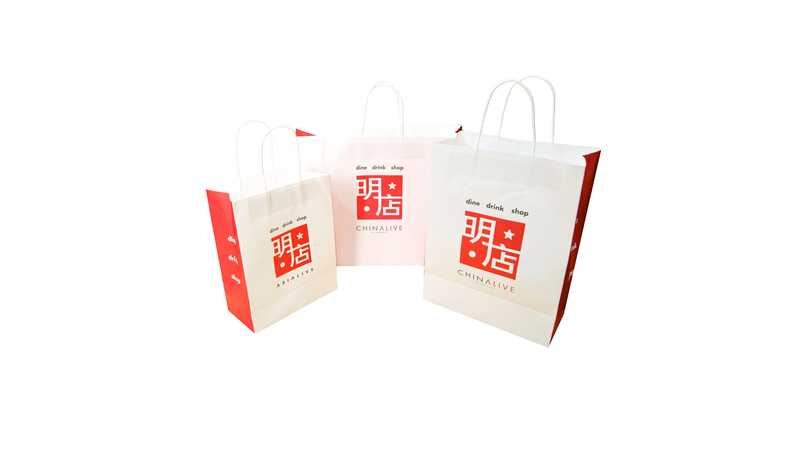
Custom packaging cost is rarely just a price per box or bag. Materials, dimensions, printing, sampling, MOQ, compliance documents, freight, and delivery risk can all change the final number.
This guide explains how custom packaging pricing works, what buyers should prepare before requesting a quote, and how to avoid costly compliance and delivery problems.
Quick Answer: How Much Does Custom Packaging Cost?
There is no single price for custom packaging because every project combines different materials, structures, quantities, finishes, and delivery requirements. A folding carton, a flexible pouch, a corrugated mailer, and a rigid gift box may look like simple packaging products, but they use different production processes and cost structures.
| Packaging type | Main cost factors | Typical applications |
|---|---|---|
| Folding cartons | Board thickness, printing, die-cutting, finishing | Food, beauty, and retail |
| Flexible pouches | Film structure, barrier, zipper, sealing | Coffee, snacks, supplements, and personal care |
| Mailer boxes | Board grade, dimensions, printing, shipping strength | Ecommerce and subscription products |
| Rigid boxes | Board, wrapping, inserts, assembly, finishing | Gifts, beauty, and premium products |
| Paper bags | Paper weight, handles, printing, and finish | Retail, fashion, and gifting |
The lowest unit price is not always the lowest total cost. If a package fails in transit, lacks the documents required for its market, or arrives after a product launch, the “cheap” quote can become surprisingly expensive.
What Determines Custom Packaging Cost?
Packaging Format and Material
Material selection affects protection, appearance, weight, production method, storage, freight, and sustainability. Paperboard may suit lightweight retail packaging, while corrugated board may be more appropriate for shipping. Flexible films can reduce shipping volume, but they require the right barrier and sealing structure for the product.
Forests Packaging supports packaging formats including flexible pouches, food packaging bags, mailer boxes, folding cartons, rigid boxes, paper bags, and retail display packaging. The goal is not to recommend one material for every project. It is to match the structure to the product, sales channel, target market, and delivery plan.
Size, Dimensions, and Empty Space
Dimensions affect material usage, cutting layouts, product fit, warehouse space, and freight volume. A package that is much larger than the product may also require more filler and incur higher dimensional-weight shipping costs.
When requesting a custom packaging quote, provide the product length, width, height, weight, filling method, and protection requirements. Accurate dimensions allow the supplier to price the actual project instead of guessing from a product photo.
Printing, Finishes, and Special Features
Digital, offset, and flexographic printing have different setup and production economics. Lamination, soft-touch coating, foil stamping, embossing, spot UV, windows, inserts, and special closures can all increase the total packaging production cost.
Premium finishes should improve shelf impact, brand recognition, or the opening experience. If a finish does none of those things, it may simply be an expensive decoration wearing a very confident jacket.
Quantity, MOQ, and Tooling
Custom packaging involves artwork preparation, tooling or die preparation, machine adjustment, material preparation, inspection, and packing before the finished order is ready. On a small order, these setup costs are spread across fewer units, so the unit price is often higher.
MOQ depends on the packaging format, material, printing method, dimensions, finishing, and production requirements. Ask for several quantity breaks, such as 500, 1,000, 2,000, and 5,000 units, then compare unit cost, total cost, inventory pressure, and storage requirements together.
MOQ Changes Cost Through Setup Efficiency—not Material Price Alone
Very small orders carry the full burden of tooling and setup, while larger runs spread those costs across more units.
Only 5 Custom Boxes
3,500 Premium Gift Boxes
How Sampling and Lead Time Affect Total Cost
Why Physical Samples Matter
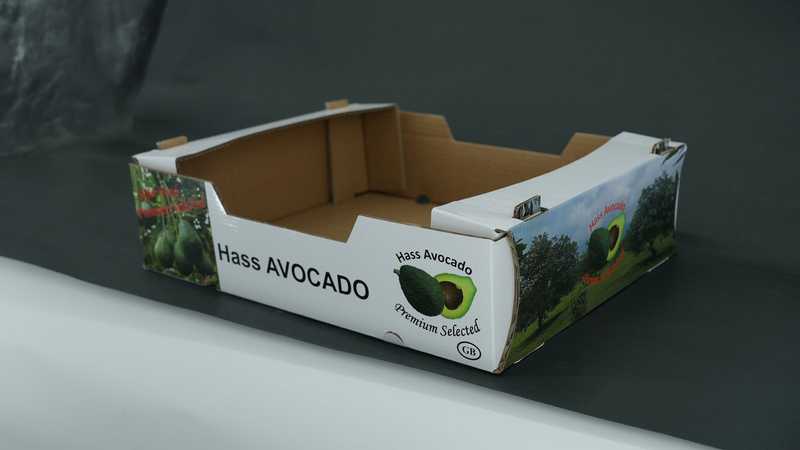
A physical sample helps confirm dimensions, product fit, structure, colour, printing, material feel, opening experience, inserts, and sealing. A digital proof is useful for artwork placement, but it cannot fully show how a material feels or how a package behaves in a customer’s hands.
Sampling may add time and cost at the beginning, but it can prevent a much larger loss during bulk production. The price of one approved sample is usually small compared with replacing an entire batch made to the wrong specification.
The Packaging Production Workflow
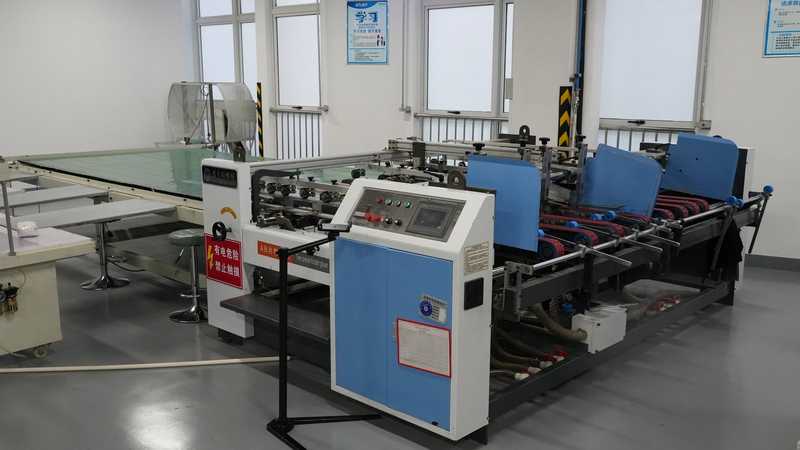
A practical workflow usually follows this sequence:
Requirement Review → Quotation → Artwork and Dieline → Sampling → Sample Approval → Production → Inspection → Packing → Shipment
Each checkpoint answers a different buyer question. Requirement review reduces specification errors. Sampling confirms the physical result. Inspection protects batch consistency. Packing and shipment coordination help prevent delays after production is complete.
What Can Delay a Packaging Project?
Common causes include incomplete artwork, late approval, special material availability, complex structures, premium finishes, compliance review, production scheduling, and international freight. A realistic custom packaging lead time should cover more than the days spent on the production line.
Why Compliance Can Affect Packaging Cost
Compliance requirements can influence material selection, testing, documentation, sampling, and delivery planning. For food, cosmetic, pharmaceutical, and child-related products, buyers should identify the target market and required documents before approving bulk production.
Relevant food-contact documentation and test reports should be reviewed by scope. The document should match the material, product, manufacturing process, site, and destination market. Checking this early can prevent re-sampling, supplier changes, and avoidable delivery delays.
How to Reduce Custom Packaging Cost Without Sacrificing Quality
Choose the Right Structure
Start with the product’s weight, protection needs, filling method, storage conditions, sales channel, and shipping route. A premium rigid box may be unnecessary for a simple ecommerce shipment, while a lightweight structure may be unsuitable for a heavy or fragile product.
Compare Multiple Quantity Breaks
Ask suppliers to price several quantities at the same specifications. A larger order may reduce the unit price, but the saving should be compared with inventory, cash flow, storage, and the possibility of a future artwork change.
Use Finishes Selectively
Keep special finishes for high-impact areas such as a logo, product name, main visual, or premium opening feature. This protects the brand experience while avoiding unnecessary production steps across the entire package.
Plan Compliance and Delivery Early
Confirm the target market, product category, material, required documents, shipping destination, and deadline before approving the sample. Early planning creates more production and freight options and reduces the chance of emergency manufacturing or expedited shipping.
What Should You Include in a Custom Packaging Quote Request?
| Information to provide | Why it matters |
|---|---|
| Product type and weight | Determines protection and material requirements |
| Packaging format and dimensions | Determines structure, material use, and freight volume |
| Quantity | Influences MOQ, setup cost, and unit pricing |
| Artwork status | Helps estimate sampling and approval time |
| Printing and finishing | Affects production steps and setup |
| Destination and required date | Supports realistic delivery planning |
| Compliance requirements | Determines document and test-report review |
The more complete the brief, the more useful the first quote will be. Share a reference sample or product photo when possible, but include the specifications that determine the actual package.
How Forests Packaging Helps Control Total Cost
An Integrated Packaging Supply Chain
Forests Packaging Group has supported global packaging projects since 2006. Company materials record experience serving more than 10,000 brands across 153 countries and regions, supported by seven wholly owned subsidiaries.
The company supports packaging projects from design and sampling through production, inspection, compliance discussion, packing, and international delivery. This integrated approach helps buyers reduce handoff confusion between separate suppliers.
Intelligent Manufacturing for Better Production Visibility
Forests’ Shanghai Intelligent Factory combines AI, big data, information systems, AGV industrial robots, and IoT technology. For buyers, the useful value is not the technology label alone. It is clearer production planning, stronger sampling-to-production handover, more consistent inspection, and better delivery coordination.
Learn more about the Intelligent Factory and the company’s custom packaging products.
Food Packaging Documentation and Compliance Support

Depending on the material, product, process, and destination market, project discussions may include FDA-related food-contact documentation, BRCGS, FSC, BSCI, ISO management systems, RoHS, EPR, EUDR, or GPSR-related requirements.
These documents should always be reviewed by scope. The relevant question is not simply “Is the supplier certified?” but “Does the document cover this site, material, product, process, and target market?” See the food packaging compliance guidance for a closer look.
For paper traceability, buyers may also consult the FSC Chain of Custody. For transport performance and test scope, the ISTA test procedures are a useful reference.
Production, Inspection, and Logistics Coordination
Forests also works with Shanghai Chiquita International Logistics Co., Ltd. to support packing, export coordination, freight arrangements, and delivery planning. Coordinating these stages early helps buyers understand what is included in the quote and where responsibility sits after production.
How to Compare Packaging Quotes Beyond Unit Price
When comparing suppliers, request evidence rather than comparing numbers alone. Ask whether the material is suitable, whether a physical sample is available, which documents apply, how repeat orders are managed, and whether the delivery timeline includes production, inspection, packing, and shipment.
| Question | Evidence to request |
|---|---|
| Is the material suitable? | Material specification and application explanation |
| Can the supplier provide samples? | Sampling method and approval process |
| Can it support the target market? | Relevant documents and test reports |
| Can production be repeated? | Production and quality-control workflow |
| Is delivery realistic? | Milestones and shipping responsibilities |
The best packaging quote is not always the lowest number. It is the quote that gives you a clear specification, fewer avoidable risks, and a reliable path to delivery.
FAQs
How much does custom packaging cost?
Custom packaging cost depends on the format, dimensions, material, printing, finishing, quantity, sampling, and delivery destination
How does MOQ affect custom packaging pricing?
Higher quantities may reduce unit cost because setup, tooling, and production costs are distributed across more units.
Can I order a packaging sample before bulk production?
Yes. A physical sample can confirm size, structure, product fit, printing, colour, material, and opening experience before production.
What documents are needed for food packaging?
Requirements depend on the food product, material, manufacturing process, and destination market. Relevant food-contact documents and test reports should be checked before production.
How long does custom packaging production take?
Lead time depends on artwork, sampling, material availability, production scheduling, inspection, packing, and shipping method. A project-specific timeline should be confirmed before approval.
Conclusion
Custom packaging cost is affected by more than size and material. MOQ, sampling, compliance, printing, inspection, freight, and delivery planning all influence the total cost of a project.
For international buyers, the right packaging supplier should make the process easier to quote, approve, produce, inspect, and deliver. That is how a lower-risk packaging decision is made.
Send Your Packaging Brief to Our Team
Share your product type, format, size, quantity, material, destination, and required date. Our team can support artwork review, sampling, production, inspection, and export coordination.
Contact us for a project-specific recommendation.
Ready to build packaging with a factory team?
Send your product size, material, artwork, quantity, destination, and deadline so our team can focus the first review on quotation and sampling.