Discreet Packaging: When Privacy Matters at Delivery

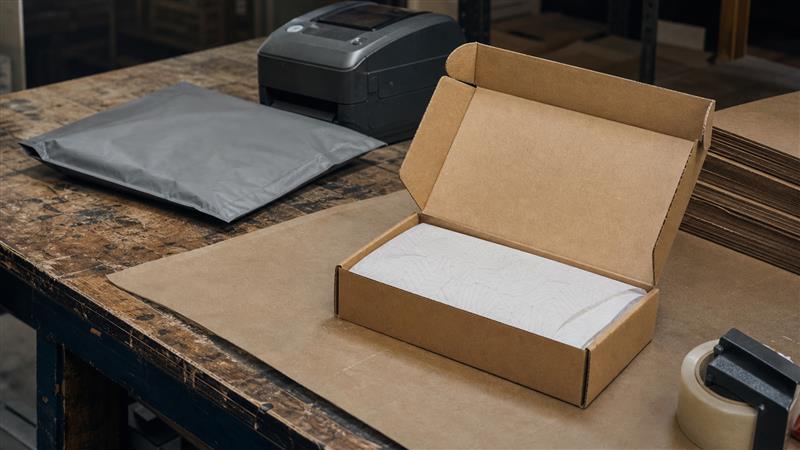
Discreet packaging is shipping packaging designed to limit unnecessary clues about what is inside or who sent it. It still carries accurate delivery information; it simply avoids turning the outside of a parcel into a product advertisement.
That sounds simple until a plain box arrives with branded tape, a revealing sender name, or a product silhouette that gives the game away. This guide covers the parts buyers often miss: privacy levels, packaging formats, labels, fulfillment checks, and the difference between a quiet exterior and a good package.
What is discreet packaging?
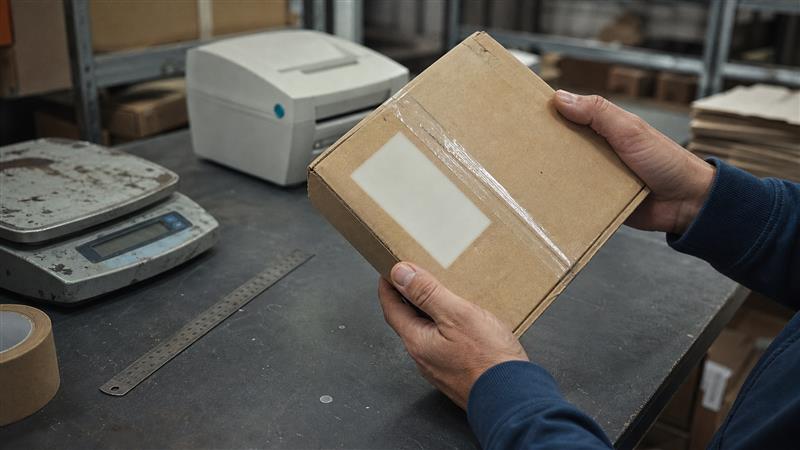
Discreet packaging is a parcel configuration that reduces visible product, category, brand, or value clues before the recipient opens it. The outside may use plain kraft, white, gray, or another neutral material. It may also use a generic seal and a restrained sender presentation.
Discreet shipping does not mean hiding required information. The recipient address, carrier data, return information, customs declaration, and other legally required details must remain accurate. The goal is to remove unnecessary disclosure, not to create a misleading parcel.
When should a brand use discreet shipping?
Privacy can be the main reason, but it is not the only one. Personal care, wellness, intimate apparel, medical accessories, collectibles, jewelry, electronics, and subscription products may all benefit from a less revealing exterior. Some customers simply prefer that a delivery does not announce itself to a shared household, front desk, or neighbor.
For high-value products, discretion can also reduce casual attention. It is not theft prevention, and no package can promise complete anonymity. It is a sensible way to avoid placing product clues where they do not need to be.
For ecommerce brands, the decision should start with the customer promise. If the product page says “discreet delivery,” define what that means: no product wording, no product photo, a neutral sender name, plain tape, or a combination of those choices.
Three practical levels of discreet packaging
Remove product names, photos, category wording and obvious package windows. The brand may still appear in a restrained way.
Keep the exterior neutral when the sender name or logo itself reveals a sensitive category.
Reduce signals that suggest expensive or desirable contents. Review shape, weight, seal, label and handling together.
Many packaging briefs become clearer when privacy is split into levels. A small personal-care brand may need product discretion but still want its own logo inside. A jewelry seller may need a quieter sender presentation as well. A high-value shipment may need additional security review.
Choose the lowest level that meets the customer and product need. More concealment can affect brand recognition, returns handling, warehouse sorting, and the interior experience. A short written privacy brief keeps the tradeoff visible.
Privacy and security are related, but not identical
Privacy-focused packaging conceals information the customer may not want others to see. Security-focused packaging limits clues that could attract unwanted attention. Both often use a neutral exterior, but the testing is different.
For privacy, inspect what a person can read or infer from the outside. For security, inspect value signals such as unusual size, premium tape, obvious branding, or a recognizable product shape. Keep the claim modest: discreet packaging can reduce visible clues, but it cannot guarantee privacy or prevent theft.
Which packaging formats work best?
The format should still match the product. A discreet parcel that arrives crushed is not a successful shipment. Compare weight, dimensions, fragility, product value, privacy level, shipping route and fulfillment method before choosing the outer package.
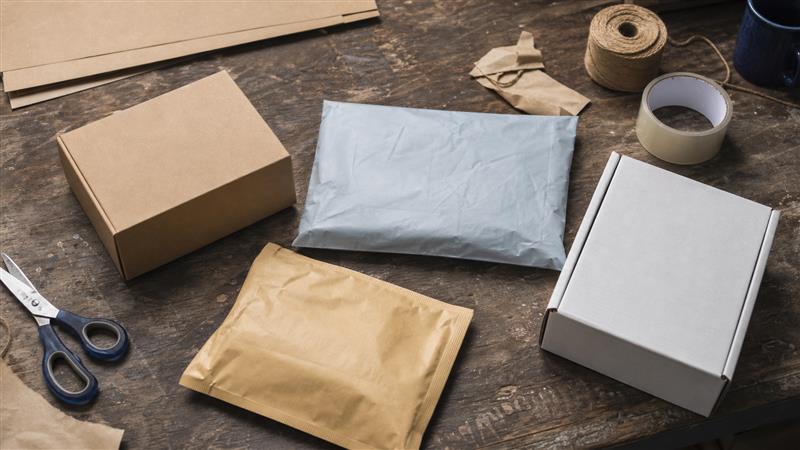
- Plain poly mailers: light and visually quiet for soft, non-fragile products, but limited against crushing or puncture.
- Paper mailers: useful for light products when the paper construction suits the route and handling conditions.
- Padded mailers: a practical middle ground for small products that need surface protection without a rigid box.
- Plain corrugated boxes: better for general ecommerce goods, heavier items, or products that need stacking strength.
- Plain mailer boxes: give a clean exterior and can move color, messaging, and the unboxing moment to the inside.
- Double-box systems: worth considering for selected high-value or fragile shipments, though they add material, labor and dimensional weight.
A supplier should quote the finished packed size, not only the empty outer box. Small changes in depth can affect void space, cushioning, carton count and freight. For a broader look at packaging choices, see our custom packaging system.
Plain outside, branded inside
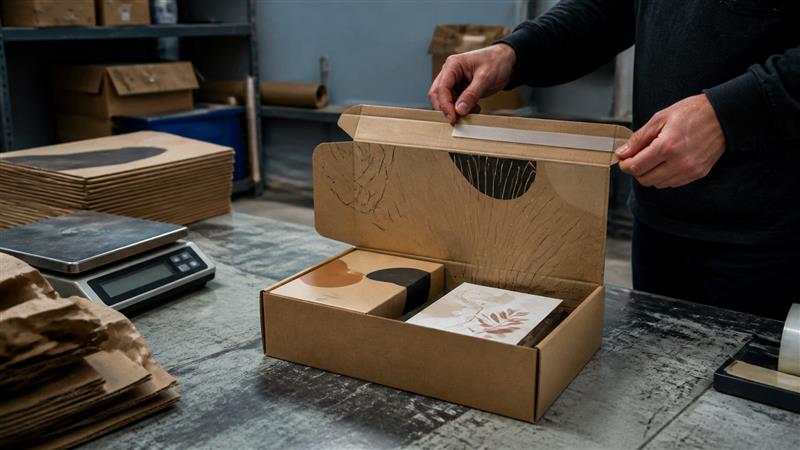
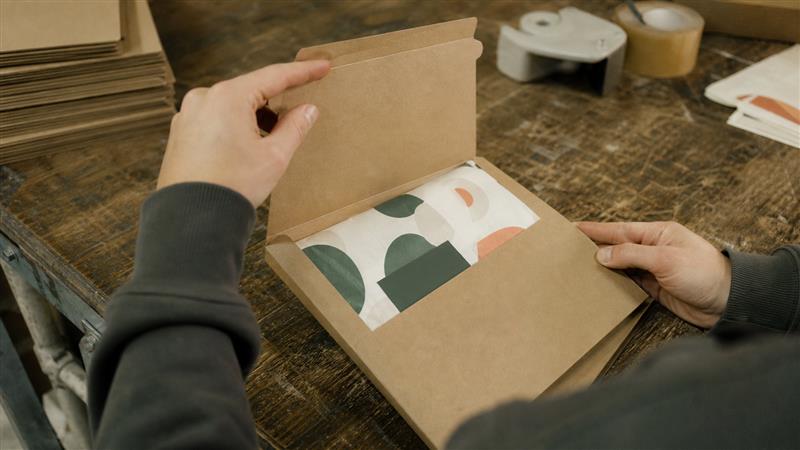
This is often the most useful compromise. Keep the external carton or mailer neutral, then use the inside for tissue, an insert card, a printed inner flap, or a controlled brand color. The customer receives privacy before opening and brand recognition after opening.
Interior branding must be checked against the real fulfillment sequence. An insert may be removed by a 3PL, a tissue sheet may be hidden under the product, or an inner print may be wasted if the package is opened from the wrong side. If the experience matters, place the instruction in the packaging specification and test it with the packing team.
Can custom packaging still be discreet?
Yes. Custom does not have to mean heavily branded on the outside. A custom package can be sized around the product, built with a better closure, fitted with an insert, or printed only on the inner panel. The exterior can stay deliberately ordinary.
Custom sizing also helps remove avoidable void space. That matters for products that move inside the parcel, but it also reduces the chance that an oversized box will attract attention or incur unnecessary dimensional-weight charges. The right structure depends on the product and route, so request a sample with the actual item inside.
What should appear on the outside?
Start with the information needed to deliver the order. That normally includes the recipient address, carrier elements, a usable return address, tracking information, and any market-specific regulatory or customs details. The exact requirements vary by carrier and destination.
Then remove what does not help delivery. Product photography, category slogans, large recognizable logos, promotional copy, and words such as “private” or “confidential” can all defeat the purpose. The loudest privacy message on the parcel is still a message.
Review the complete parcel, not just the box artwork. Branded tape, a printed shipping label, a return address, a packing slip visible through a window, or an unusual sticker can disclose more than the carton itself. Never use false product descriptions, sender details, values, or customs information to make a shipment look discreet.
Shipping labels can undo a discreet package
A neutral box is only one part of the delivery surface. The sender name may reveal the product category, and a return address may expose a specialist brand. Work with the fulfillment provider to decide what customers will actually see and what information must stay unchanged.
For international orders, customs documents have to describe the shipment accurately. Discreet packaging changes the presentation of the parcel; it does not remove import, export, carrier, or tax requirements. Check the destination rules before promising a customer a fully unmarked delivery.
Carrier instructions should be checked against the actual label template. For example, review the current USPS shipping guidance when USPS is part of the route. Use the carrier’s official information for the final operational decision.
How 3PLs handle discreet packaging
Discreet packaging often fails in the warehouse rather than the design file. A fulfillment operator may grab the wrong carton, add branded tape, include the wrong insert, or print a sender name that the brand never reviewed. The fix is a clear SKU-level rule.
- Assign a plain exterior package to the correct SKU or product family.
- Store discreet mailers separately from visibly branded stock where practical.
- Specify the interior insert, tissue, seal and packing order.
- Use the approved label template and sender presentation.
- Photograph or inspect several live packed orders before scaling.
The last check should happen after the package is sealed and labeled. That is when the customer, neighbor, reception desk, carrier and customs officer would encounter it.
International discreet shipping has limits
Cross-border shipments need extra care because the outside may carry customs labels, commodity descriptions, values, origin information, or inspection marks. A plain mailer can still be appropriate, but it cannot be presented as anonymous if the route requires information that identifies the sender or contents.
When shipping into or across the European Union, use the relevant European Commission customs guidance as a starting point, then confirm the exact requirements for the product and destination. Privacy is a packaging choice; customs accuracy is a shipping obligation.
For U.S.-bound orders, the U.S. Customs and Border Protection import guidance is another useful reference point. The final description, value and paperwork still depend on the goods and route.
Product protection still comes first
Privacy does not justify a weak box, a loose mailer or a closure that pops open. Check board construction, seal strength, puncture resistance, moisture exposure, cushioning, product movement and stacking conditions. A customer may appreciate a quiet exterior, but they will remember a damaged product.
Right-sizing is especially useful here. A close-fitting package makes the product harder to identify by silhouette and gives protection materials less room to migrate. It also makes the privacy specification easier to repeat across fulfillment locations.
Discreet packaging audit checklist
Before approving production, pack the real product as the customer will receive it. Then inspect it from the other side of the table, not from the designer’s screen.
- Are there product names, photos or category clues on the exterior?
- Does the brand name or return address reveal more than intended?
- Is the parcel opaque enough for the product and route?
- Can the product shape be recognized through the package?
- Are tape, stickers, inserts and packing slips consistent with the brief?
- Does the seal hold after handling and realistic movement?
- Does the package protect the product without excessive empty space?
- Does the actual shipping label meet carrier and destination requirements?
- Does the inside still deliver the intended brand experience?
Run the check through the real fulfillment workflow, then repeat it after a normal transit test. Our packaging logistics service is relevant when privacy, packaging and delivery handling need to be reviewed together.
Common mistakes to avoid
Branded tape on a plain box is the obvious one. Others are quieter: the wrong sender name, a product-category line on the invoice, an oversized carton, a transparent pouch, or a privacy label that draws more attention than a neutral parcel would.
FAQs
What does discreet packaging mean?
It means designing the shipment to minimize unnecessary clues about the product, category, brand or order while keeping all required delivery and customs information accurate.
Does discreet packaging show the company name?
It can, depending on the privacy level. Some brands keep a restrained sender name outside; others reduce recognizable branding and move it to the inside. Required return and shipping information still applies.
Can discreet packaging still be branded?
Yes. Interior printing, tissue, insert cards and inner-flap graphics can create a branded unboxing experience without revealing product clues before opening.
What is the best box for discreet shipping?
There is no single best format. Choose between a mailer, padded mailer, corrugated box or double-box system based on product weight, fragility, value, route, privacy level and protection needs.
Does discreet packaging guarantee anonymity?
No. Carriers, customs authorities, fulfillment providers and return processes may require identifying information. A responsible privacy claim describes what the customer will see rather than promising complete anonymity.
Write a supplier-ready discreet packaging brief
A useful brief gives the supplier something they can test. Include product dimensions and weight, fragility, product value, target markets, privacy level, packaging format, exterior color, allowed exterior branding, interior printing, inserts, cushioning, closure, tamper-evident needs, label area, fulfillment route, quantity and target date.
Ask for a finished sample with the real product, actual label area and planned closure. If the package will go through a 3PL, send the sample to the fulfillment team as well. Their handling step can expose a problem that is invisible on a workbench.
For planning and specification support, the packaging planning resource can help organize the product, structure, protection and fulfillment questions before requesting a quote.
How to choose a discreet packaging supplier
Look for a supplier that can discuss plain exterior options, custom dimensions, interior printing, multiple box and mailer formats, protective structures, samples, MOQ, production consistency and fulfillment compatibility. The supplier does not need to sell an “anonymous box.” They need to understand how privacy interacts with materials, handling and delivery.
When you request a quote, state what must be hidden, what may remain visible, what must be printed inside, where the order ships, and how the package will be handled. Use the packaging inquiry page and include product dimensions, quantity, artwork status, destination and deadline.
Conclusion
Discreet packaging is a practical privacy decision, not a promise of invisibility. Start with the clue you need to remove, choose a format that still protects the product, and review the box, seal, label, sender presentation and fulfillment workflow as one delivery experience.
For many brands, the balanced answer is simple: plain outside, considered inside. Custom sizing, controlled labeling and a real packed-order check make that approach repeatable.
Send Your Packaging Brief to Our Team
Share your product type, format, size, quantity, material, destination, and required date. Our team can support artwork review, sampling, production, inspection, and export coordination.
Contact us for a project-specific recommendation.


Ready to build packaging with a factory team?
Send your product size, material, artwork, quantity, destination, and deadline so our team can focus the first review on quotation and sampling.