How to Choose a Packaging Supplier: Real Case

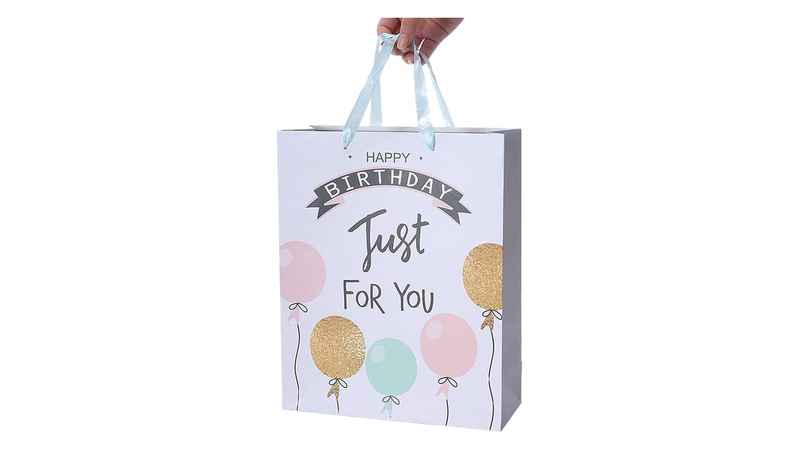
Choosing a custom packaging supplier is not simply a hunt for the lowest unit price. The wrong partner can create late shipments, inconsistent print, damaged products, and a surprisingly large collection of “small” problems.
The right supplier helps you move from idea to repeatable production with fewer surprises. Here are six practical factors to use in your next packaging procurement decision.
Quick Answer: What Should You Look for in a Packaging Supplier?
A reliable supplier should demonstrate more than a product catalogue. Look for evidence of quality control, customization support, sampling, suitable materials, scalable production, compliance awareness, clear communication, and dependable delivery coordination.
| Factor | What to verify | Why it matters |
|---|---|---|
| Quality | Inspection points and print consistency | Protects appearance and product performance |
| Customization | Dieline review, sampling, finishes | Prevents expensive design and fit errors |
| Capability | Formats, materials, and applications | Matches the package to the product |
| Capacity | Repeat-order and volume planning | Supports growth without a reset |
| Compliance | Relevant documents and test reports | Reduces market-entry risk |
| Communication | Milestones, lead time, shipping details | Keeps the project moving |
1. Packaging Quality and Quality Control
Packaging quality begins before printing. Paper weight, film structure, board thickness, adhesive performance, dimensions, and colour targets all influence the finished package.
Ask how the supplier manages material consistency and production variation. A perfect sample that changes between batches creates work for your warehouse, retail, and customer-service teams.
Look Beyond Appearance
Print registration, colour, cutting, creasing, lamination, sealing, and folding should be reviewed as one system. A beautiful box with a weak crease is still a box waiting for an awkward conversation.
For shipping products, performance matters too. Depending on the product and route, the project may require compression, vibration, drop, or other packaging tests. The ISTA packaging test procedures are a useful reference when discussing transport performance and test scope.
Ask About the Quality Workflow
A practical packaging supplier quality control process may follow this sequence:
Material Review → Artwork and Dieline Review → Sampling → Production Inspection → Finished Product Inspection → Packing and Export Coordination
The checkpoints depend on the package, but quality should be managed throughout the project, not inspected only at the loading dock. Ask what is checked and how problems are recorded and corrected.
For a closer look at compliance documentation and certifications, see Certifications & Compliance Support.
2. Customization, Sampling, and Structural Support
Custom packaging is more than placing a logo on a standard item. Your supplier should understand the product, filling method, handling conditions, and opening experience.
Start With the Product
Share the product dimensions, weight, filling method, protection requirements, storage conditions, target market, and quantity. These details affect the structure, material, closure, printing method, and finishing options.
Artwork and dielines also deserve a real review. Bleed, safe areas, barcode placement, folds, seals, tear notches, windows, and opening directions can all affect the final result. Catching an issue on screen is much cheaper than discovering it after production.
Why Custom Packaging Sampling Matters
A custom packaging sample lets you inspect fit, scale, colour, structure, opening behaviour, and physical feel before approving a production run. It is especially important when the package has multiple components, unusual dimensions, food-contact requirements, or premium finishes.
Before approving the sample, confirm the dimensions, material construction, artwork version, colour, finish, packing method, and functional requirements. A sample approval should be a production reference, not a vague thumbs-up in a chat window.
You can review available formats through the full range of custom packaging products.
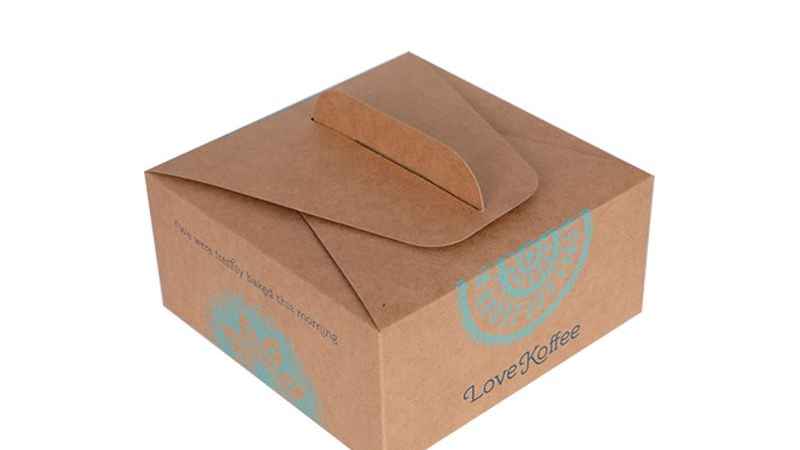
3. Material and Product Capabilities
The best material depends on the product, handling environment, shelf-life needs, brand position, and route to market. A packaging supplier should explain trade-offs instead of recommending the same material for every job.
Match the Format to the Use Case
| Format | Common applications | Typical advantage |
|---|---|---|
| Pouches | Food, coffee, supplements, personal care | Flexible, lightweight, and space-efficient |
| Mailer boxes | Ecommerce and subscription products | Branded presentation with shipping practicality |
| Rigid boxes | Beauty, gifts, and premium retail | Strong presentation and perceived value |
| Paper bags | Fashion, retail, and gifting | Large visible branding area |
| Food packaging bags | Snacks, coffee, and dry goods | Flexible protection for packed products |
The material conversation may include kraft paper, coated paper, paperboard, corrugated board, flexible films, recycled-content options, and finishes such as matte, gloss, soft-touch, foil, embossing, or spot UV. Each affects cost, appearance, durability, recyclability, and production requirements.
Sustainability claims should be specific. If FSC-related sourcing is relevant, ask about the product scope and traceability rather than assuming every paper item carries the same certification. The FSC Chain of Custody explains how certified material is tracked through the supply chain.
Explore packaging solutions by industry and Sustainable Packaging.
4. Production Capacity and Scalability
The supplier that handles your first order may also need to support a launch, seasonal increase, new size, or repeat order. Capacity is not only the largest number a factory can produce; it is how consistently the project can be repeated.
Ask how the supplier handles sampling-to-production handover, repeat specifications, artwork revisions, scheduling, and multiple components. The goal is to avoid starting from zero every time you reorder.
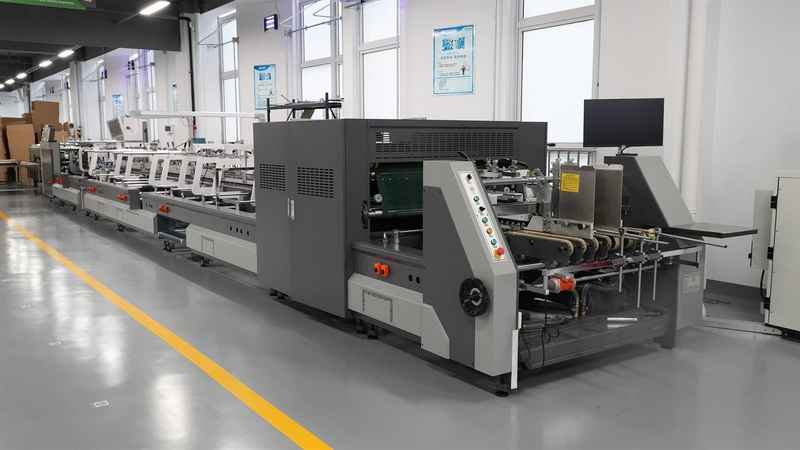
An Intelligent Factory can make this handover easier by connecting artwork review, sampling, production, inspection, packing, and export coordination. Clear communication between stages gives buyers better visibility.
This matters when one launch includes boxes, pouches, inserts, tissue, stickers, paper bags, and shipping cartons. A coordinated workflow can reduce mismatched colours, inconsistent dimensions, and the classic “everything arrived except the one component we needed” problem. Learn more about our Intelligent Factory.
5. Compliance and Documentation Support
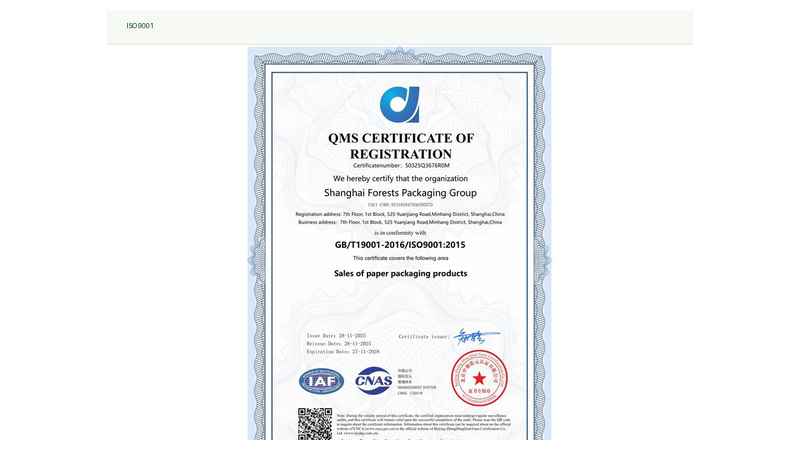
Compliance is not a decorative badge on a supplier profile. It depends on the product, material, manufacturing process, destination market, and claims made on the package.
For a food, cosmetic, pharmaceutical, or child-related product, ask what documentation may be relevant before production. Depending on the project, this can include food-contact information, material declarations, test reports, supplier assessments, FSC-related documents, or market-specific records.
The key question is not “Are you certified?” in isolation. Ask which site, product, material, process, and market the document covers. Then confirm whether the documentation matches the exact packaging specification you intend to buy.
A sensible review process is: identify the market, define the material and claims, confirm available documents, and close open questions before sample or production approval. See Certifications and Compliance Support and Food Packaging Compliance for related guidance.
6. Communication, Lead Time, and Global Delivery
Many packaging delays begin with missing information rather than slow production. A useful supplier asks about product type, format, material, dimensions, artwork, quantity, target market, sampling, destination, and required date before quoting.
The project should have visible milestones:
Eight clear checkpoints keep your custom packaging project moving.
-
01
Requirements
Product, format, quantity, destination.
-
02
Quotation
Price, MOQ, tooling, lead time.
-
03
Artwork & Dieline
Dimensions, files, folds, finishes.
-
04
Sampling
Fit, structure, colour, opening.
-
05
Approval
Confirm the production reference.
-
06
Production
Make to approved specification.
-
07
Inspection & Packing
Quality, documents, readiness.
-
08
Shipment
Dispatch, tracking, delivery.
This sequence gives both sides a shared reference and shows where a delay occurs.
For international buyers, delivery coordination is part of the service. Clear packing details, export documents, responsibilities, and destination information can prevent delays after the goods leave the factory.
From Missing Food-Contact Files to an On-Time Packaging Recovery
Forests Packaging helped a Wisconsin dairy customer rescue an urgent order after its original supplier could not provide current FDA-related documentation.
The Shipment Was Ready—But the Documents Were Not
Just before dispatch, the previous supplier could not provide the required up-to-date food-contact documentation, putting the entire order at risk.
Documentation
Relevant FDA-related food-contact files were supplied for project review.
Fast Production
The Intelligent Factory coordinated production of the printed food boxes.
Expedited Logistics
The dedicated logistics subsidiary arranged fast delivery to Wisconsin.
The customer received the packaging within the urgent delivery window, avoiding another failed shipment.

How to Compare Suppliers Beyond Unit Price
The lowest quotation is not always the lowest total cost. Reprints, damage, extra sampling, tooling changes, urgent freight, missed launch dates, and repeated clarification can outweigh a small unit-price difference.
Use this packaging supplier checklist when comparing proposals:
| Question | Evidence to request |
|---|---|
| Can the supplier meet the quality requirement? | Inspection workflow, sample standard, relevant test plan |
| Can it produce the required structure? | Format examples, dieline review, prototype or sample process |
| Can it support the materials and finishes? | Material options, finish samples, technical explanation |
| Can it handle repeat orders? | Specification records, scheduling process, project handover |
| Can it support the target market? | Relevant documents, test reports, compliance review |
| Can it communicate clearly? | Named contact, milestones, response process, quotation detail |
| Can it deliver as required? | Packing plan, shipping responsibilities, realistic timeline |
This shifts the conversation from “What is your price?” to “What risk is included in this price?” That is a much more useful procurement question.
What Information Should You Prepare Before Requesting a Quote?
A detailed brief helps a supplier produce a more useful custom packaging quote. Start with the product’s dimensions, weight, filling method, protection needs, storage conditions, and whether it ships individually or in master cartons.
Then describe the packaging: format, material, size, printing, finish, closure, insert, quantity, and artwork status. If you have a reference image or sample, explain what you like about it.
Finally, add the target market, destination, required date, requested documents, shipping preference, and whether the order is a trial, launch, or repeat production.
How Forests Packaging Supports Custom Packaging Projects
Forests Packaging is a Shanghai-based custom packaging manufacturer supporting global projects since 2006. Company materials record experience serving 10,000+ brands across 153 countries and regions, supported by seven wholly-owned subsidiaries.
Its 2024 Shanghai Intelligent Factory combines AI, big data, information systems, AGV industrial robots, and IoT technology. For buyers, the useful point is not the technology label; it is better visibility from project discussion and artwork review through sampling, production, inspection, packing, and export delivery.
That connection is useful when buyers need more than a catalogue item. The company supports food, beauty, ecommerce, fashion, gifts, retail, and electronics projects, with formats including bags, pouches, boxes, paper bags, labels, and accessories.
The practical advantage is clearer communication between design and production. Send the product details, format, quantity, destination, artwork, and deadline to Request a Custom Packaging Quote for a project-specific review.
FAQs
What information do I need to request a custom packaging quote?
Provide the product type, format, dimensions, material, printing, quantity, artwork status, destination, and required date. A reference image or sample can clarify the result.
Can I request a sample before placing a production order?
Yes. Sampling can confirm structure, fit, artwork, colour, finish, and opening behaviour before production. The method and cost depend on the format, materials, tooling, and project.
How do I choose the right packaging material?
Start with the product’s protection needs, filling method, storage conditions, shipping route, brand presentation, target market, and sustainability requirements. Ask the supplier to explain the trade-offs.
What determines the MOQ and lead time for custom packaging?
MOQ and lead time depend on the format, dimensions, materials, printing, finishing, tooling, quantity, sampling, and production schedule. Destination and shipping method can also affect the timeline.
Do all packaging products require the same certifications?
No. Documentation depends on the product, material, process, market, and claims. Ask for each certificate or test report’s scope and confirm that it applies to the project.
Conclusion
Choosing a custom packaging supplier is a risk-management decision as much as a design decision. Evaluate quality control, sampling, materials, scalability, documentation, communication, and delivery together, then compare the total cost rather than the unit price alone.
The right supplier gives your package a better chance of being attractive, functional, compliant, and repeatable. In packaging procurement, “repeatable” is often the quiet word doing the loudest work.
Send Your Packaging Brief to Our Team
Share your product type, format, size, quantity, material, destination, and required date. Our team can support artwork review, sampling, production, inspection, and export coordination.
Contact us for a project-specific recommendation.
Ready to build packaging with a factory team?
Send your product size, material, artwork, quantity, destination, and deadline so our team can focus the first review on quotation and sampling.