How to Create PR Packages: Influencer Mailer Box Guide


How to Create PR Packages That People Want to Open
A PR package is more than a branded box of free products. It is a physical campaign touchpoint: part product introduction, part media kit, and part shipping problem waiting to happen if the structure is wrong. This guide explains how to create PR packages that feel intentional from first glance to final post.
Quick take
- Start with a campaign objective and recipient profile, not a box style.
- Choose PR box packaging for product protection, shipping economics, and the reveal sequence together.
- Use a prototype to test fit, opening time, camera angles, and transit protection before approving production.
- Measure delivery, usable content, qualified reach, clicks, and sales—not a promise that every recipient will post.
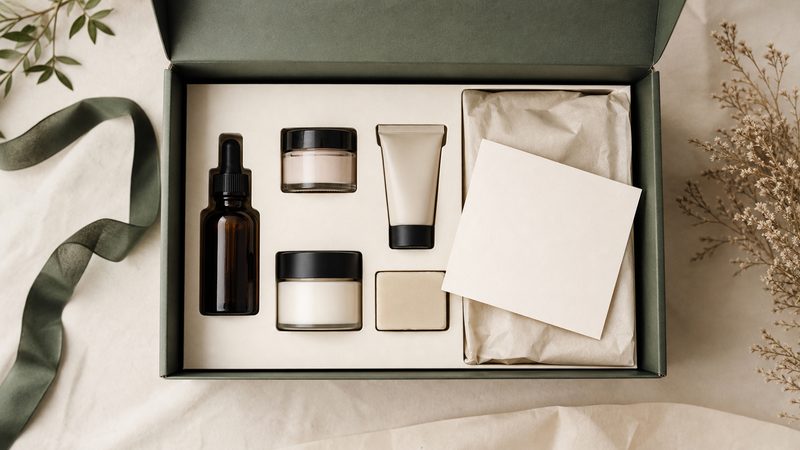
What is a PR package?
A public relations package is a curated physical shipment sent to creators, journalists, editors, partners, or event guests. It usually contains a hero product, selected supporting items, a concise brand story, and a clear next step. Its job is to make product discovery simple and content creation frictionless.
A press kit is primarily information for media; a media kit may be digital or physical and helps someone describe the brand accurately. An influencer mailer box is the physical presentation and protection system that carries those materials. The terms overlap, but treating them as identical often creates a pretty box with no campaign logic.
What most PR-package guides leave out
Most advice correctly says to personalize the note and choose a memorable product. The difficult parts arrive after that: matching the structure to weight and fragility, calculating inserts and freight, approving a production timeline, and deciding whether the finished package is actually easy to film. A premium-looking concept can still fail if a glass bottle rotates in transit or the creator needs three hands to find the product.
Use a simple concept score before production: rate each option from 1 to 5 for product protection, visual reveal, ease of opening, shipping efficiency, material recovery, and cost. The best concept is rarely the most decorated one; it is the one that meets the campaign brief with the fewest avoidable compromises.
Before you design the box, define the campaign
Pick one primary goal: launch awareness, product reviews, user-generated content, relationship building, or qualified traffic. Then define a recipient by audience relevance, content format, engagement quality, location, and any shipping restrictions. A skincare routine package for short-form video needs a different sequence from a press sample for a magazine editor.
Set success criteria before shipping: delivery rate, packages opened, usable content produced, mentions, reach, engagement, tracked clicks, code use, or attributable sales. Gifting is not a guarantee of coverage, and unpaid seeding should stay separate from contracted deliverables. If a creator endorses a gifted product, relationship disclosure can matter; the FTC’s influencer guidance explains why material connections should be clear and easy to notice.
How to create PR packages step by step
1. Choose a hero product
Lead with the product that best represents the launch and looks credible in the recipient’s hands or on camera. It should be relevant to the recipient, visually recognizable, and stable enough to survive the planned shipping route. Do not hide the main item beneath a pile of novelty extras.
2. Add only useful supporting items
Supporting items can include samples, a compatible accessory, usage instructions, or a brand-relevant extra. Each item needs a reason to exist: it helps demonstrate the product, completes a routine, or makes a useful scene for content. If it only fills empty space, revise the insert instead.
3. Give the recipient the information they need
Include a named note, concise product facts, key usage or care instructions, social handles, a campaign hashtag, and a QR code or trackable landing page. Keep printed material short. A recipient should understand what the product is, why it matters, and where to find approved details without reading a miniature annual report.
4. Remove friction
Discard irrelevant merchandise, hard-to-recycle loose filler, duplicate leaflets, and unclear instructions. The target is a clean unboxing experience, not a packing table that looks as though it lost an argument with a stationery store.
Choose the right PR box packaging structure
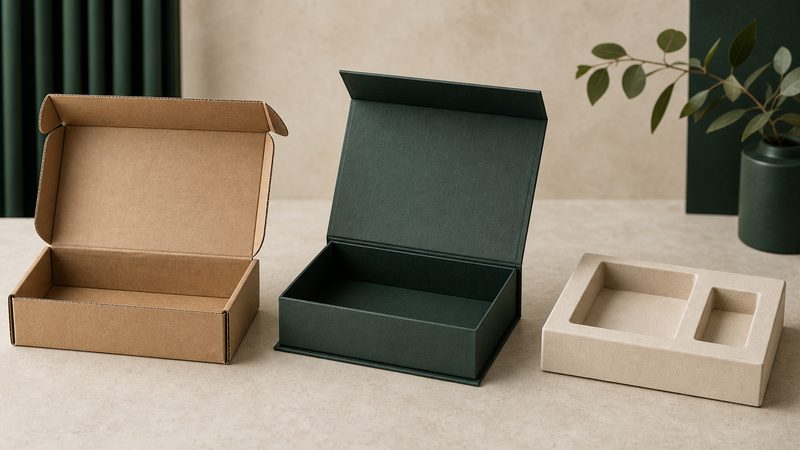
Corrugated mailer boxes are practical for direct shipping, moderate budgets, and products that need a strong outer shell. Rigid or magnetic-closure boxes suit premium launches where presentation and repeat use matter more than flat packing efficiency. Folding cartons work well as lightweight product packaging but commonly need an outer shipper. Presentation kits and multi-compartment boxes are useful for routines, collections, and mixed product bundles when the insert can hold every item securely.
| Structure | Best for | Watch-outs |
|---|---|---|
| Corrugated mailer | Shipping, moderate budgets, launches | Choose board strength and fit carefully |
| Rigid box | Luxury gifts, beauty, premium electronics | Higher material, assembly, and freight cost |
| Folding carton | Lightweight retail products | Usually needs secondary shipping protection |
| Compartment kit | Sets, routines, several SKUs | Insert design and pack-out take longer |
For broader format options, review the site’s custom packaging products before requesting a structural recommendation. Specify product dimensions, packed weight, destination, quantity, and whether the box will ship directly or sit inside an outer carton.
A Book-Style Box Makes the Opening Part of the Campaign
An anonymized book-style gift box project demonstrates a useful PR packaging principle: the box should not simply contain the product—it can guide the recipient through the reveal.
▣ Standard shipping box
- Fast, direct, and practical.
- Best when protection is the main job.
- Usually reveals the product immediately.
✦ Book-style PR box
- Creates a more staged opening experience.
- Makes room for a note, card, or product story.
- Works well when the unboxing itself is shareable content.
PR packaging takeaway: Choose a book-style structure when your launch needs a pause before the product reveal—especially for premium gifting, brand storytelling, and creator unboxings.

Plan the interior and unboxing experience
Design the reveal in order: exterior brand cue, opening message, personal note, product reveal, then the next action. Keep labels facing forward, leave enough finger clearance to remove items, and create deliberate spacing rather than filling every cavity. A good insert can be paperboard, corrugated board, or molded pulp; use foam only where the product risk clearly justifies it.
Run a test unboxing with ordinary indoor light and a phone camera. Time the opening, note confusing actions, check whether products stay upright after a gentle shake, and photograph the box from the angles a creator is likely to use. This small test often catches the kind of problem that a beautiful 3D render politely ignores.
Select materials, printing, and finishes with restraint
Corrugated board supports shipping strength; paperboard offers crisp print and lighter weight; rigid board supports premium presentation. Digital printing can suit shorter runs or variable artwork, while offset and flexographic methods may suit other volume, material, and coverage requirements. Confirm the production route after the structure and quantity are known.
Foil, embossing, debossing, spot UV, matte film, and gloss film can sharpen an influencer PR package, but one or two high-impact details usually outperform decoration on every surface. Right-size the package, minimize mixed materials, and add disposal instructions where useful. If environmental claims are needed, confirm the project-specific material evidence and target-market requirements; the Forest Stewardship Council is a useful starting point for understanding responsible forest-management certification.
How much does custom PR packaging cost?
Total cost depends on quantity, dimensions, structure, material, print coverage, insert complexity, finishes, assembly, freight, and postage. Build the campaign budget across products, prototype samples, packaging, fulfillment, creator fees where applicable, shipping, and a contingency. A box quote alone is not a campaign budget.
Also watch dimensional weight: a large but light package may be billed on its volume rather than its scale weight. UPS defines dimensional weight as a pricing technique that uses package volume, so confirm the carrier’s current rules for the planned lane before locking the outer dimensions. See its dimensional-weight definition for the underlying concept.
After the campaign, calculate cost per meaningful outcome: total spend divided by approved content assets, qualified reach, leads, or sales—depending on the original goal. This prevents a low cost per box from disguising a costly campaign that generated little usable value.
Production timeline and logistics
Plan in stages: brief and concept, structural design, prototype and fit test, artwork approval, production, assembly, and shipping. Build time for revisions. A final dieline, print file, and insert layout are not the same as a validated packed sample.
Confirm product dimensions and weight, insert fit, outer shipping carton needs, and labeling before the full run. Test reasonable drop, vibration, and temperature risks for the route. Liquids, food, cosmetics, batteries, and fragile products may need additional labeling, carrier, customs, or destination controls; requirements vary by product and market, so confirm them for the specific campaign.
A Multi-Piece PR Kit Needs More Than a Nice Box
In an anonymized camera accessory gift-set project, a custom-cut black foam insert gave every item a defined position. The goal was not extra decoration—it was a cleaner reveal and safer transit.
✕ Without a fitted insert
- Small pieces can move in transit.
- The reveal can look cluttered on camera.
- Recipients may not know where each item belongs.
✓ With a fitted insert
- Each product has a clear, intentional place.
- Labels can face forward for the first reveal.
- The kit is easier to open, film, and understand.
PR packaging takeaway: For multi-item influencer mailers, design the inside first. A good insert turns “several products in a box” into one clear story.
How to choose a custom PR packaging supplier
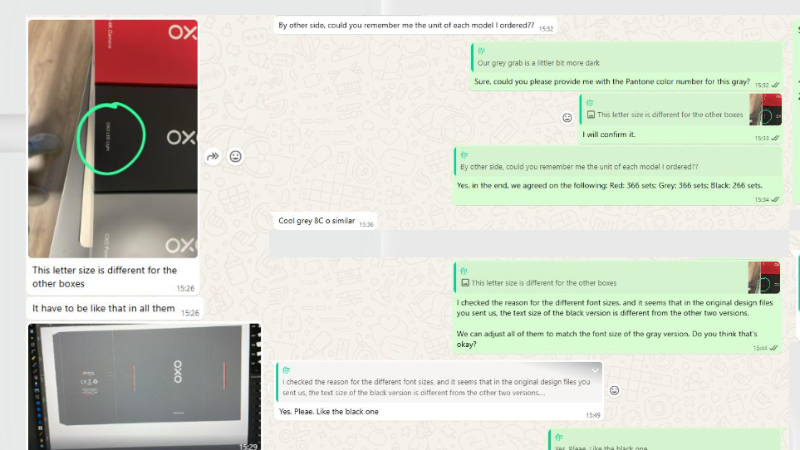
Ask about minimum order quantities, sample options, artwork requirements, color matching, production timing, agreed inspection points, assembly, and fulfillment. Score suppliers on structural thinking, print quality, communication, documentation, price transparency, and delivery reliability—not simply the first unit price.
Custom PR packaging is most useful when a launch has defined quantities, an approved product set, a budget, and a clear success measure. For a tiny test with uncertain product-market fit, a carefully packed stock box and a small pilot may teach you more before you commit to a complex bespoke structure.
Common PR package mistakes
Designing before defining the campaign creates attractive but unfocused packages. Selecting recipients only by follower count can miss audience relevance. Oversized boxes increase material and freight, overcrowded interiors make filming awkward, and ignoring transit risk turns a launch into a returns exercise. Most importantly, premium packaging never guarantees coverage; use it to make the product and story easier to understand, not as a substitute for a good recipient fit.
Run a pilot before scaling
Send a small pilot to a representative recipient group. Collect delivery feedback, opening observations, product clarity notes, and content usability feedback. Document photos and practical changes—such as a revised insert height or shorter instruction card—before scaling the next run. This gives your team evidence instead of assumptions.
PR package planning checklist
Confirm the campaign goal, recipient profile, product list, box style, packed dimensions and weight, insert type, materials and finishes, quantity, total budget, prototype date, production deadline, shipping method, tracking plan, and campaign disclosures. Keep this brief with the quote request so the supplier can assess the entire pack-out rather than pricing an isolated box.
FAQs
What should be included in a PR package?
Include a relevant hero product, selected supporting items, a personalized note, concise product information, campaign details, and a clear next step.
How much does a custom PR box cost?
Cost depends on quantity, dimensions, materials, printing, inserts, finishes, assembly, freight, and shipping. A prototype and itemized quote give the most reliable estimate.
How far in advance should I order PR packaging?
Start well before launch so there is time for structural design, sampling, artwork approval, production, assembly, and shipping.
What is the best box style for an influencer mailer?
A corrugated mailer is often best for direct shipping, while a rigid presentation box suits a premium reveal. The product’s weight, fragility, quantity, and shipping route determine the right choice.
Do PR gifts guarantee influencer coverage?
No. A gift can support product discovery and relationships, but coverage depends on fit, editorial choice, agreements, and local disclosure rules. Define success beyond a guaranteed post.
Conclusion: build the campaign before the box
Knowing how to create PR packages starts with the campaign objective and recipient, then balances presentation, protection, cost, and shipping. Prototype the complete experience, measure the outcomes that matter, and improve from a small pilot before committing to scale.
Plan a custom PR package with a manufacturing team
Forests Packaging Group can help translate your product list, reveal sequence, artwork, and shipping needs into a practical PR packaging brief. Our Shanghai Intelligent Factory workflow connects structural review, sampling, production, inspection, and export handover for custom packaging projects.
Send your product dimensions, quantity, artwork or reference images, target market, shipping destination, and deadline through our custom packaging inquiry form. We will help you compare structures, inserts, finishes, and pack-out options for your campaign.
Send Your Packaging Brief to Our Team
Share your product type, format, size, quantity, material, destination, and required date. Our team can support artwork review, sampling, production, inspection, and export coordination.
Contact us for a project-specific recommendation.
Ready to build packaging with a factory team?
Send your product size, material, artwork, quantity, destination, and deadline so our team can focus the first review on quotation and sampling.