Mailer vs Shipping Box: How to Choose the Best Ecommerce Packaging

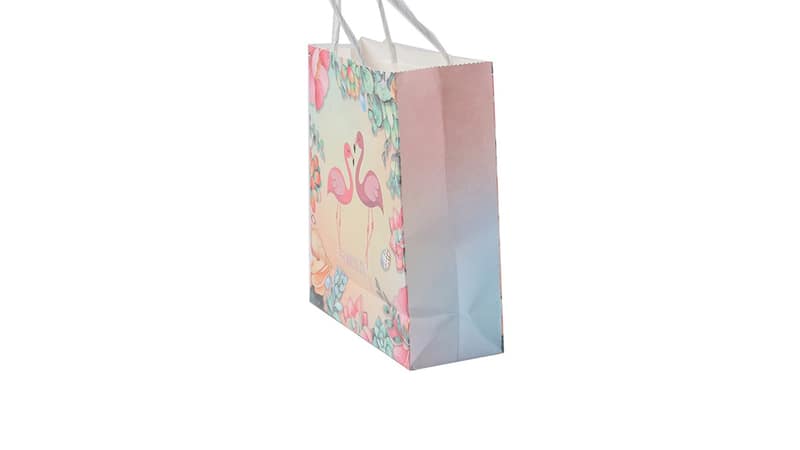
Choosing between a mailer and a shipping box comes down to one question: can the product safely travel with flexible protection, or does it need a rigid structure? Use a mailer for light, durable, low-profile items. Use a corrugated shipping box when weight, crush risk, multiple pieces, or a premium unboxing experience raise the stakes.
The best packaging for ecommerce is not automatically the smallest or the strongest option. It is the format that protects the order at the lowest total landed cost while fitting your fulfilment workflow and brand promise.
Key takeaways
- A shipping mailer saves space and packing time for products that can flex and do not need edge protection.
- A corrugated box gives the order stack strength, shape control, and room for inserts or multiple items.
- Compare the whole shipment: packaging, void fill, labour, dimensional weight, damage claims, and customer experience.
- Test the final packed order—not an empty mailer or box—before scaling a format.
What is a mailer, and what is a shipping box?
A mailer is a pre-made shipping envelope or sleeve, usually with an adhesive closure. It can be a poly mailer, paper mailer, padded mailer, bubble mailer, or rigid mailer. It is designed for quick packing and low cube, not for resisting heavy compression.
A shipping box is normally a corrugated container made from fluted board between liner sheets. Its structure helps it hold its shape during sorting, stacking, and last-mile handling. “Mailer box” is also used for a self-locking corrugated presentation box; it is still a box, not a flexible mailer.
For a useful format overview, explore CustomPackMart’s packaging products, which include poly and bubble mailers alongside mailer boxes and shipping cartons.
Mailer vs shipping box: a quick comparison
| Decision factor | Shipping mailer | Corrugated shipping box |
|---|---|---|
| Best for | Apparel, soft goods, small non-fragile items | Fragile, heavy, multi-item, or structured products |
| Protection | Tear and moisture resistance vary by material; limited crush resistance | Better edge, puncture, and compression protection |
| Packing speed | Usually fast: insert, seal, label | May need erecting, tape, inserts, and void fill |
| Warehouse cube | Stores flat with very low volume | Stores flat but occupies more material and packing space |
| Dimensional weight | Often lower when right-sized | Can rise quickly if the box is oversized |
| Brand experience | Clean and simple; print and inserts can add personality | More surfaces, structure, and room for an unboxing sequence |
The table is a starting point, not a promise. A padded mailer can outperform a poorly sized box for a small durable product; a box without an insert can still let a delicate item move and break.
When a mailer is the better ecommerce packaging choice
Choose a mailer when the item is light, compact, and unlikely to be damaged by bending, pressure, or contact with another item. Apparel, textiles, soft accessories, replacement parts, and some small personal-care products are common examples.
The practical advantage is simple: a mailer is quick to fill, takes little warehouse space, and can eliminate empty air around a single-item order. A well-sized poly mailer can also be useful where moisture resistance matters. A paper or padded mailer may suit a different product and disposal route, but neither should be selected on appearance alone.
Poly mailer vs box: a poly mailer usually wins for a single soft garment because it is lighter and flexible. It loses when a product can be crushed, has sharp corners, needs to stay flat, or carries a retail carton that must arrive pristine.
Before choosing, run a squeeze test. Put the real product, label, and any insert into the mailer; press the parcel from the top and edges; then check whether the product shifts, bends, scuffs, or exposes a corner. If it does, add a protective component or move to a box.
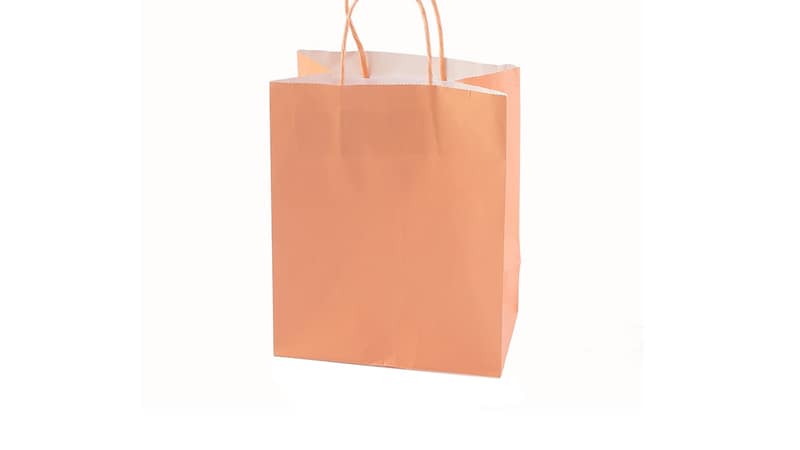
When a shipping box is the better choice
Use a shipping box when the parcel needs a protective shell. That normally includes glass, electronics, cosmetics in glass containers, boxed sets, products with sharp edges, heavier items, or orders containing several SKUs.
A box also makes sense when presentation is part of the sale. It can carry tissue, a card, an insert, or a branded reveal without relying on the product itself to survive the trip. For e-commerce brands, structure should be paired with the channel, product category, and delivery plan rather than treating every shipment alike.
The common mistake is to select a box solely by outside dimensions. Start with the packed product, then allow space only for the protection it actually needs. Too little clearance creates pressure points; too much clearance creates movement, extra void fill, and avoidable shipping cube.

Calculate total cost, not just unit price
The cheapest mailer or box on a quotation is not necessarily the lowest-cost option after fulfilment. Use this working formula:
Total cost per shipped order = packaging + protective components + pack labour + carrier charge + expected damage/return cost.
Carrier charges can be affected by a parcel’s size as well as its scale weight. UPS explains that dimensional weight is based on the space a package occupies, using length × width × height divided by a rate-specific divisor. Review UPS’s package dimensions and dimensional-weight guide against your own carrier contract before changing a pack size.
This is why a mailer may reduce cost for a flat order, while a right-sized box may reduce cost for an item that would otherwise need multiple layers of padding or generate damage claims. Price the two finished parcels, not their empty components.
Real packaging case · Internal case 76031
Cold-chain packaging: from four handoffs to one coordinated system
A buyer needed an insulated pack for a temperature-sensitive shipment. The packaging question was not simply “which shipping box?” but how the complete protective sequence would work together.
The problem: purchasing the four required components separately would mean separate quotations, coordination and logistics charges. The case records an integrated quotation approach instead.
What the buyer would manage
Four components, sourced as four disconnected transactions.
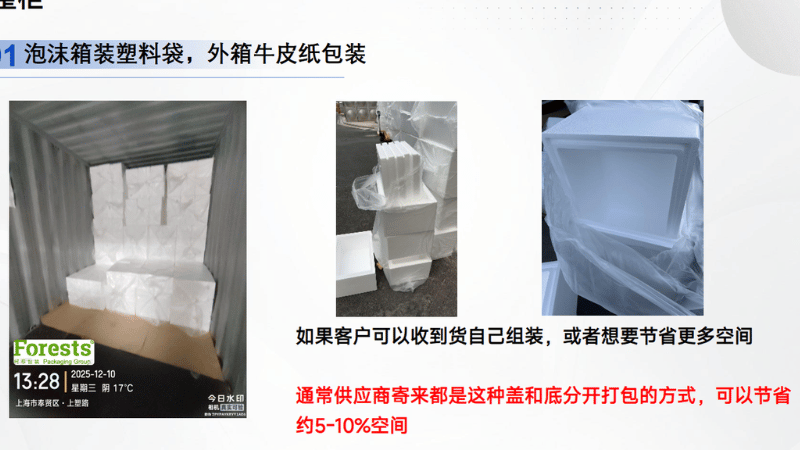
- 1Foam box
- 2Ice packs
- 3Foil bag
- 4Outer carton
What the integrated quote covers
The same four layers planned as one protective packaging system.
- 1Foam box — insulated core
- 2Ice packs — cooling component
- 3Foil bag — thermal barrier
- 4Outer carton — shipping shell
Source: internal sales-case record 76031. Customer identity and final order outcome are omitted; this example documents the sourcing and quotation approach, not a verified delivery-performance result.
A five-step framework for choosing the best packaging for ecommerce
1. Classify the product risk
Write down the item’s weight, dimensions, sharp edges, surface sensitivity, breakability, and whether it can bend. A soft T-shirt and a perfume bottle are not variations of the same packaging problem.
2. Define the transport environment
Consider parcel-carrier handling, stacking, long-distance transit, climate, and the number of handoffs. A direct local delivery may tolerate a lighter pack than a cross-border order with several transfers.
3. Right-size the pack around real protection
For a mailer, check seam strength, closure, puncture risk, and whether a backing board or padding is required. For a box, specify the internal size, board strength, closure, and any insert or void-fill plan.
Read our related guide, What Is Corrugated Cardboard? Types, Flutes and Uses, before selecting a shipping-box board structure. Flute and liner choices affect stiffness, cushioning, print surface, and the way a box performs in a stacked parcel stream.
4. Map the fulfilment motion
Time a small packing run. Can the team pick the right format, insert the product, close it, and apply the label without a workaround? A format that looks efficient on a sample table can slow a busy fulfilment line if it needs too many manual steps.
5. Test, learn, and document the decision
Send trial packs through the real route where possible. Check scuffing, corner damage, seal failure, product movement, customer feedback, and return reasons. For higher-risk projects, ISTA distinguishes screening tests from general-simulation tests that model transport hazards; its test-procedure guidance is a useful reference when defining a test plan.
Sustainability: choose the right-sized, usable format
Less material is only one part of a responsible decision. A mailer that causes repeat shipments is not automatically the better outcome; a large box filled with excess void material is not a good one either.
Start by reducing unnecessary empty space, then evaluate the material system, coatings, labels, adhesive, and the disposal routes available to your customer. The US EPA notes that recycling depends on local infrastructure and accepted materials, so recycling claims should be checked for the target market rather than assumed from a material name alone. See the EPA’s recycling basics for the broader context.
For a custom program, material, recycled-content, and recovery options should be confirmed by project and destination market. A clear instruction on the pack can be more useful than a vague environmental claim.
Common mistakes to avoid
Using a mailer because it is cheaper. If the product needs edge protection, the apparent saving can disappear in refunds, replacements, and support time.
Using a box because it feels safer. An oversized box can let the product collide with the walls, increase dimensional weight, and create a wasteful opening experience.
Testing packaging without the full order. Inserts, promotions, labels, and multi-SKU combinations can change fit and balance.
Designing before defining the shipping job. Artwork matters, but structure, dimensions, and protection must be agreed first. The CustomPackMart homepage shows the broader packaging system—from product format to factory and delivery support—that should inform that decision.
FAQ
What is a mailer used for?
A mailer is used to ship light, low-profile goods quickly. It is best for products that do not need strong crush or edge protection, such as apparel and soft accessories.
Is a poly mailer cheaper than a box?
Often, but not always. A poly mailer can lower packaging and dimensional-weight cost for a suitable order, while a box may be cheaper overall when it prevents damage or reduces the need for extra protective components.
Can I ship fragile products in a padded mailer?
Only if the finished pack passes a route-appropriate protection test. Padding reduces some impact risk but does not provide the rigid edge and compression protection of a corrugated box.
What is the best packaging for ecommerce clothing?
A right-sized poly or paper mailer is often a practical choice for a single soft garment. Use a box when the order includes premium presentation items, shoes, multiple products, or a retail carton that must remain undamaged.
How do I decide between a mailer and a shipping box?
Start with product risk, then compare the real packed order’s dimensions, carrier charge, packing time, protection, and customer experience. A short trial run is more reliable than choosing from unit price alone.
The practical answer
Choose a mailer for light, durable, single-item orders that can travel with minimal protection. Choose a shipping box for fragile, heavy, multi-item, structured, or presentation-led orders. If the order sits in the middle, prototype both and compare the packed parcel’s cost, handling time, protection, and customer experience.
Forests Packaging can help translate your product size, quantity, artwork, target market, and fulfilment route into a practical mailer, box, insert, or combined system. Request a packaging discussion with the product details and expected transit conditions to begin with a pack structure, not a guess.
Send Your Packaging Brief to Our Team
Share your product type, format, size, quantity, material, destination, and required date. Our team can support artwork review, sampling, production, inspection, and export coordination.
Contact us for a project-specific recommendation.
Ready to build packaging with a factory team?
Send your product size, material, artwork, quantity, destination, and deadline so our team can focus the first review on quotation and sampling.