What Is Corrugated Cardboard? Types, Flutes and Uses

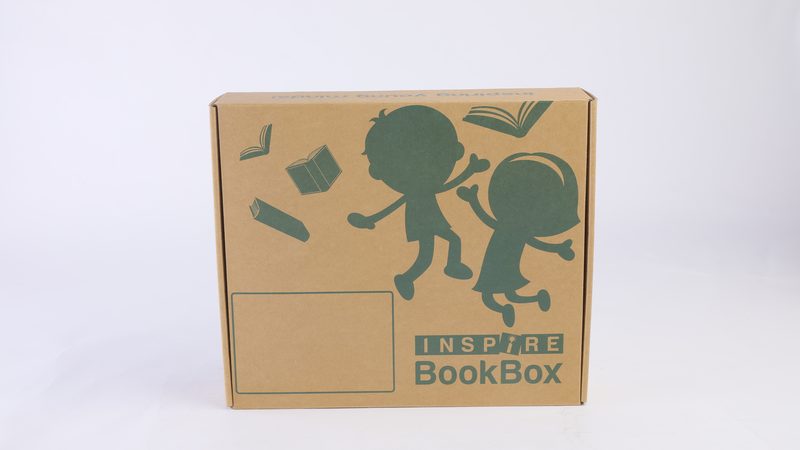
Quick Answer: Corrugated cardboard is a paper-based board made from one or more fluted layers glued between flat linerboards. The flutes create space, cushioning, and vertical strength. That is why corrugated packaging is used for shipping cartons, e-commerce mailers, retail displays, and protective inserts.
In everyday conversation, carton, cardboard box, and corrugated box are often used as if they mean the same thing. They do not always describe the same construction. This guide explains the difference, the main flute and wall types, common box styles, and the practical checks buyers should make before ordering.
Quick Answer: What Is Corrugated Cardboard?
- Structure: flat linerboard is bonded to a wavy paper layer called fluting; another linerboard normally closes the structure.
- Purpose: the fluted medium adds cushioning, crush resistance, and stacking strength without making the board solid and unnecessarily heavy.
- Formats: single-wall, double-wall, and triple-wall boards can be converted into shipping cartons, mailer boxes, trays, partitions, and displays.
- Selection: the best board depends on product weight, dimensions, handling, humidity, stacking, printing, and the final delivery route.
Corrugated cardboard is also called corrugated fiberboard. A typical single-wall sheet has two linerboards and one fluted medium. The liners form the surfaces; the flute separates them and helps the sheet resist bending. A board can contain more layers when a project needs higher compression or impact protection.
Forests Packaging Group supports buyers who need a complete packaging decision rather than a box selected from a generic size list. You can review our custom packaging products while comparing box construction with mailers, folding cartons, inserts, and other formats.
Corrugated Board vs Carton vs Cardboard Box

Cardboard is a broad, everyday term for paper-based board. In packaging, it often refers to folding carton stock used for cereal, cosmetics, and other retail packs. It is relatively thin and is designed to fold, print, and present the product.
Corrugated board has a fluted middle layer. It is thicker and more structural, so it is usually chosen for transport, parcel delivery, stacking, and outer protection. A corrugated carton box may also carry printed graphics, but its first job is normally to protect the product through handling.
Carton or cartons is a broader commercial term. A carton can mean a folding carton, a rigid carton, or a shipping container depending on the market. When requesting quotations, do not rely on the word carton alone. Specify the board construction, internal dimensions, closure, print, and expected load.
| Term | What it normally describes | Typical use |
|---|---|---|
| Paperboard/cardboard | Solid paper-based sheet | Retail folding cartons and lightweight inserts |
| Corrugated board | Linerboard plus fluted medium | Shipping, storage, displays, and protection |
| Corrugated box | A box converted from corrugated board | E-commerce orders, master cartons, and transport packs |
Corrugated Flute Types Explained

Flute selection is a balance, not a simple “larger is stronger” rule. Larger flutes generally provide more cushioning and vertical support. Smaller flutes can give a flatter surface, tighter folds, and better print definition. The final board grade, paper combination, dimensions, and box style still matter.
| Flute | General characteristic | Common direction |
|---|---|---|
| A | Higher cushioning and stacking depth | Fragile products and added protection |
| B | Good crush and puncture resistance with a flatter surface | Die-cut packs, partitions, and general shipping |
| C | Balanced cushioning, compression, and availability | General e-commerce and shipping cartons |
| E | Thin profile and smooth printable surface | Retail-ready packs, cosmetics, and small products |
| F | Very fine flute and presentation-focused surface | Specialty retail packaging and light-duty packs |
These are typical tendencies, not guaranteed performance ratings. A supplier should confirm the actual caliper, paper grade, ECT or burst rating, and test conditions. FEFCO notes that flute type should be checked by flute pitch and construction; finished thickness alone does not identify every flute correctly. See the FEFCO corrugated packaging code when a box style needs to be described clearly across languages and suppliers.
From One Quote to Six Packaging Formats
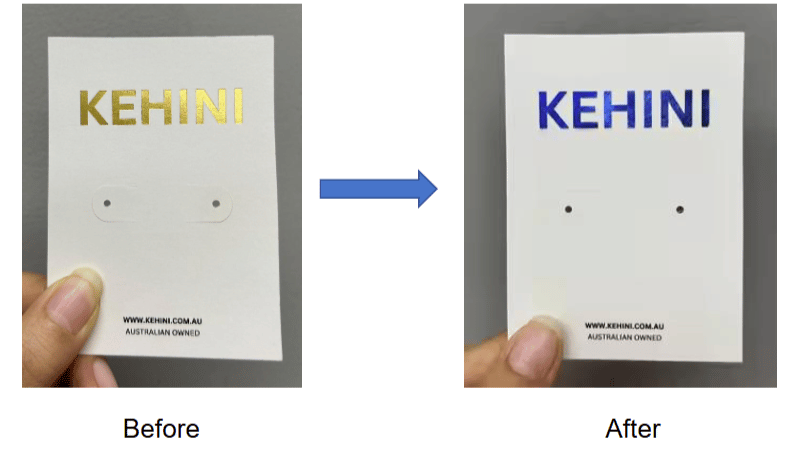
An Australian jewelry and candle brand began with a quotation request. By the sampling stage, the project had become a multi-item packaging plan.
Project timeline
⚠️ The problem
- Quantities and final value were not confirmed.
- The customer wanted samples before payment.
- Artwork and finishing needed visual proof.
- The product count changed during the project.
✓ Our response
- Organized all quotation items before the call.
- Compared three proofing routes.
- Confirmed quantities before sampling.
- Re-cut and tested after the pack-out changed.
Single-Wall, Double-Wall, or Triple-Wall?
Single-wall board has one fluted medium between two liners. It is the common starting point for many mailer boxes, shipping cartons, and product packs. It can be efficient when the product is light and the distribution route is controlled.
Double-wall board combines two fluted mediums with three liners. It adds stiffness and stacking support for heavier products, larger footprints, or longer and more demanding routes. Different flute combinations can balance cushioning with surface quality.
Triple-wall board uses three fluted mediums and four liners. It is reserved for heavy-duty applications where the added material and reduced flexibility are justified. Do not upgrade wall count automatically: an oversized box with poor fit can still fail, while an efficient insert or divider can sometimes improve protection more economically.
Common Corrugated Box Styles
The Regular Slotted Container (RSC) is the familiar shipping box with flaps meeting at the center. It is simple, scalable, and often efficient for packing lines. A full-overlap version gives more overlap at the top and bottom when extra panel support is useful.
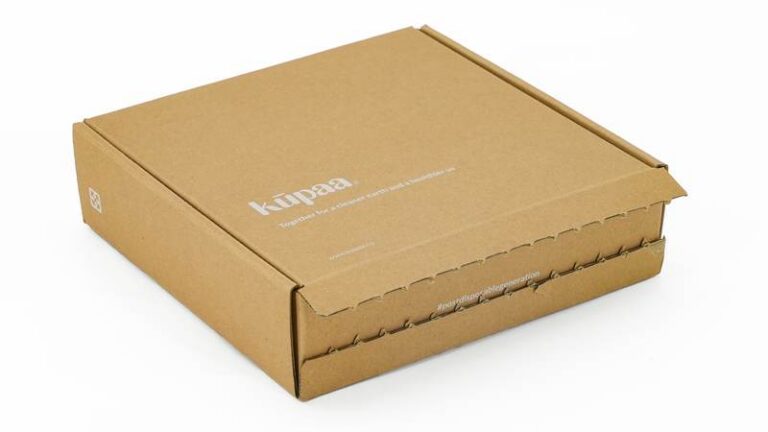
A die-cut mailer can include a tuck closure, locking tabs, tear strip, or self-locking geometry. It is popular for direct-to-consumer orders because it can reduce tape use and improve the unboxing experience. A one-piece folder works well for books, flat products, and products that need a snug wrap.
Other options include trays, telescope boxes for long or premium products, display-ready cartons, partitions, and custom inserts. The right box type is determined by how the product is packed, closed, handled, displayed, and replenished—not by appearance alone. The FEFCO system assigns codes to common constructions so a buyer and supplier can discuss the same shape without relying on a long verbal description.
How Corrugated Box Strength Is Measured
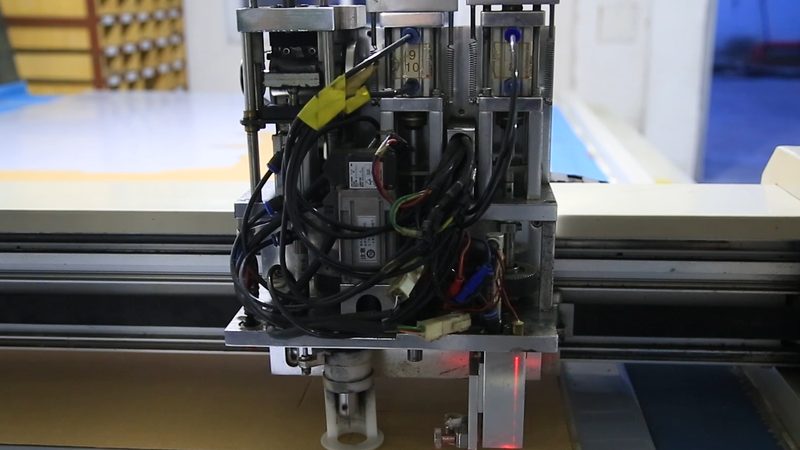
Box strength is not one number. Edge Crush Test (ECT) indicates the force needed to crush a board sample standing on its edge and helps predict container compression. Burst or Mullen testing measures the pressure needed to puncture the board surface. Box Compression Testing evaluates the finished container under a load.
Ask which test is being used and what requirement it represents. A board can have good puncture resistance but still be a poor choice for tall pallet stacks. Product fragility, box dimensions, stacking pattern, pallet overhang, vibration, drops, temperature, and humidity can all change the result.
For a shipping project, request a prototype or sample and test the filled box on the actual route when possible. The Fibre Box Association’s ECT guidance describes ECT as a primary factor in predicting the compression strength of a completed corrugated container, but the complete package system—not the board rating in isolation—must meet the product requirement.
How to Choose Corrugated Packaging
- Start with the product. Record product dimensions, weight, fragility, sharp edges, center of gravity, and whether the product needs separation.
- Define the route. Note parcel or pallet shipping, manual or automated handling, stacking time, climate exposure, and whether delivery crosses borders.
- Choose the construction. Compare internal dimensions, flute, wall count, closure, partitions, and inserts. Avoid excessive empty space because it increases material, void fill, storage, and dimensional-weight cost.
- Plan the outside. Decide whether the box needs brand printing, shipping marks, barcodes, coatings, tear strips, handles, or retail display features.
- Validate before volume production. Check fit, assembly time, seal performance, stacking, drop handling, print quality, and the condition of the product after opening.
For recurring orders, also compare flat-pack storage, pallet utilization, minimum order quantity, replenishment timing, and the supplier’s ability to keep construction consistent. A lower unit price is not necessarily a lower total cost if the box causes damaged goods, slow packing, returns, or extra warehouse space.
What to Include in a Corrugated Box Quote
A useful quotation request should include the product, internal box dimensions, target quantity, delivery market, shipping method, desired flute or performance requirement, print coverage, artwork status, closure, inserts, and required date. If you are unsure about the board grade, share the product and route first; a packaging specialist can propose a construction and explain the trade-offs.
Forests Packaging Group has served 10,000+ brands across 153 countries and regions since 2006, supported by seven wholly-owned subsidiaries and a full-chain packaging service system. Our Shanghai Intelligent Factory integrates AI, big data, information systems, AGV industrial robots, and IoT technology to improve production visibility, quality consistency, and on-time delivery.
For projects sold into regulated or sustainability-sensitive markets, ask what evidence applies to the exact material and destination. Forests can discuss FSC paper options, BRCGS, BSCI, ISO management systems, FDA or RoHS reports by project, and EPR, EUDR, or GPSR documentation based on the customer’s requirements and target market.
Corrugated Packaging Cost and Recyclability
Corrugated packaging cost is shaped by board grade, dimensions, quantity, printing, die-cut tooling, inserts, finishing, packing labor, freight, and storage. Compare the total delivered cost, not just the price per blank or box. A smaller, better-fitting box may reduce material and freight, while a custom insert may reduce damage and void fill.
Corrugated board is widely collected and recycled, but recyclability still depends on local programs and contamination. The U.S. EPA recycling guidance recommends flattening boxes and removing food residue; wet or heavily contaminated board may be rejected. If sustainability is a procurement requirement, confirm recycled content, fiber sourcing, coatings, adhesives, and local end-of-life conditions rather than relying on a broad “eco-friendly” label.
Common Buying Mistakes
- Choosing a box by outside dimensions when the product needs clear internal dimensions.
- Specifying a flute by name without checking the finished board grade or performance test.
- Using a large box with loose void fill when a fitted insert or smaller carton would protect better.
- Testing an empty box instead of the filled package and real handling conditions.
- Approving artwork before confirming the print area, fold direction, barcode size, and closure.
FAQs About Corrugated Cardboard
What is the difference between cardboard and corrugated cardboard?
Cardboard is a broad term for paper-based board. Corrugated cardboard has a fluted layer between linerboards, which gives it more structural strength and cushioning for shipping and storage.
Is a carton the same as a corrugated box?
Not always. A carton may be a thin folding carton, a rigid presentation carton, or a corrugated shipping container. Ask for the board construction and intended use rather than relying on the word carton alone.
Which corrugated box type is best for shipping?
The best type depends on product weight, fragility, dimensions, shipping method, stacking conditions, and moisture exposure. RSC boxes are a common starting point; die-cut mailers and fitted inserts may suit e-commerce products better.
What does “type in box” mean in packaging searches?
“Type in box” is not a standard corrugated term. Most buyers mean “box type,” such as an RSC, mailer, tray, telescope box, or a custom die-cut construction.
Can corrugated packaging be recycled?
Usually, clean corrugated board can enter a paper recycling stream, but local rules vary. Flatten the box, remove non-paper parts and food residue, and confirm the collection requirements in the destination market.
Conclusion: Choose the Box Around the Journey
Corrugated cardboard is a layered paper structure that can be tuned for cushioning, compression, printing, storage, and shipping. The right corrugated carton box is not simply the thickest option. It matches the product, dimensions, handling route, protection target, presentation needs, and evidence required by the buyer’s market.
Share your product dimensions, weight, shipping route, material preference, quantity, artwork, and required date to request a packaging recommendation. Forests Packaging Group can help compare construction, prepare samples, and coordinate production requirements before you commit to a larger order.
Send Your Packaging Brief to Our Team
Share your product type, format, size, quantity, material, destination, and required date. Our team can support artwork review, sampling, production, inspection, and export coordination.
Contact us for a project-specific recommendation.
Ready to build packaging with a factory team?
Send your product size, material, artwork, quantity, destination, and deadline so our team can focus the first review on quotation and sampling.