Recycled vs Recyclable Packaging: Differences, Examples, and How to Choose

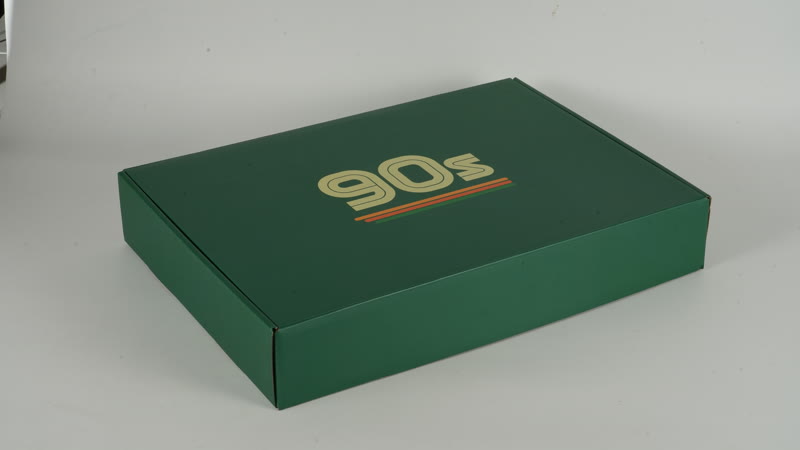
Recycled and recyclable packaging are related, but they describe different parts of a package’s life. Recycled packaging contains recovered material. Recyclable packaging is designed for a possible recovery route after use. A package can be both, one, or neither.
The practical answer is simple: evaluate material origin and end-of-life performance separately, then check whether the package still protects the product. No single sustainability label can replace that review.
Quick Summary: Recycled vs Recyclable Packaging
The short answer: recycled packaging describes what went into the package; recyclable packaging describes what may happen to it after use.
- Recycled means the package contains recovered material; PCR means that material came from used and discarded consumer or business products.
- Recyclable means a realistic collection, sorting, processing, and end-market route exists for the complete package.
- A package can be recycled, recyclable, both, or neither. The right choice depends on product protection, target-market access, evidence, cost, and supply.
Recycled vs Recyclable Packaging: The Core Difference
What is recycled packaging?
“Recycled” describes what the package is made from. A recycled-content package uses material recovered from a waste stream and converted into a new packaging material. The claim should be tied to a percentage and a defined material component, not used as a vague synonym for “green.”
Recycled content can be pre-consumer or post-consumer. Pre-consumer material usually comes from manufacturing scrap. Post-consumer recycled content, often called PCR packaging, comes from material used and discarded by consumers, then collected, sorted, processed, and made into a new input.
What is recyclable packaging?
“Recyclable” describes what may happen after use. Packaging is recyclable only when a realistic pathway exists to collect, sort, process, and sell the recovered material into a new product. A technically recyclable structure may still be unlikely to be recycled if local collection, facility capability, or end-market demand is missing.
Material origin versus end of life
| Decision question | Recycled packaging | Recyclable packaging |
|---|---|---|
| What does it describe? | Where some material came from | What the package may become after use |
| Main evidence | Recycled-content percentage and documentation | Collection, sorting, processing, and end-market evidence |
| Typical limitation | Strength, appearance, supply, or compliance may change | Local access and mixed components may block recovery |
| Example | A mailer made with 60% PCR film | A mono-material paper mailer accepted in a defined program |
The terms are not interchangeable. A virgin paperboard carton may be recyclable but not recycled. A package may contain recycled material but become difficult to recover because of a laminate, coating, adhesive, or incompatible component.
Can Packaging Be Both Recycled and Recyclable?
Yes. A corrugated shipping box made with verified recycled fiber and accepted in a local paper-recycling route can satisfy both descriptions. But the result depends on the full packaging system, including labels, tape, inks, coatings, inserts, and contamination.
There are four useful outcomes:
- Recycled and recyclable: recovered material is used, and a practical recovery route exists.
- Recycled but not readily recyclable: the package contains recovered content, but mixed layers or limited facilities make recovery difficult.
- Recyclable but not recycled: virgin paper, glass, metal, or plastic has a viable recovery route but contains no recycled input.
- Neither: the package uses virgin or unrecovered material and has no realistic recovery pathway.
The best option is not automatically the package with the highest recycled percentage. Product protection, filling performance, shipping damage, food or cosmetic requirements, and market-specific rules still matter.
What Is Post-Consumer Recycled Packaging?
Post-consumer recycled packaging contains material recovered after a consumer or business has used and discarded it. PCR is different from pre-consumer recycled content, which commonly comes from factory offcuts or process scrap before the material reaches the user.
Ask suppliers to report total recycled content, PCR content, and pre-consumer content separately. That makes the claim easier to compare and prevents a high total percentage from hiding a very small PCR share.
More PCR is not always better for every application. Recycled feedstock can affect color, odor, surface uniformity, strength, sealing, food-contact suitability, and supply consistency. For a flexible pouch, rigid plastic component, or protective insert, the correct question is: what percentage meets the performance and compliance brief for this product and market?
For paper packaging, FSC-related documentation can help verify responsible or recycled material claims when the relevant product and supply chain are within scope. The FSC chain-of-custody system tracks forest-based material through the supply chain; it is not a blanket statement that every item from a supplier is FSC-certified.
Technically Recyclable vs Actually Recycled
A useful recyclability review follows the material rather than stopping at a symbol on the pack:
- Collection: Is the format commonly collected where the package is sold? Curbside, commercial, store drop-off, and take-back routes are not equivalent.
- Sorting: Can the facility identify and sort the package? Very small pieces, unusual shapes, dark colors, and attached materials can create problems.
- Processing: Can the material be cleaned, separated, pulped, melted, or otherwise processed by available equipment?
- End market: Is there a buyer for the recovered output? A theoretical process is not a functioning recycling system without demand.
- Consumer effort: Must the user wash, separate, remove a liner, or take the item somewhere special?
Mono-material construction is often easier to assess than a multi-layer composite, but protection needs may require barriers or mixed structures. The right design is the simplest structure that meets the product’s real requirements without increasing damage or spoilage.
Recycled Packaging Examples by Material
Corrugated boxes and paper mailers
Corrugated boxes and paper mailers can offer strong recycled-content potential and familiar paper recovery routes. Wet products, heavy coatings, excessive tape, food residue, and attached plastic parts may reduce practical recovery. Confirm the board grade, liner, print process, coating, and destination-market instructions before making a claim.
Molded fiber packaging
Molded fiber can use recovered fiber and provide cushioning for products, gift sets, or protective components. Check moisture resistance, compression performance, fit, dust, and whether any coating or adhesive changes the disposal route.
Flexible plastic mailers and pouches
PCR film may be available for some mailers or pouches, but the exact resin, film structure, seal, print, and market route matter. Store drop-off is different from curbside collection, and a recyclable outer does not make every attached label or insert recyclable.
Rigid plastic, glass, and metal
Rigid plastic recyclability depends on resin type, color, shape, closures, labels, and local processing. Glass and metal often have established recovery routes, but weight, breakage, energy use, and transport impact can change the overall decision.
Composite packaging
Laminates and composite formats can provide strong moisture, oxygen, light, or grease barriers. That performance may be essential for food, supplements, or sensitive products, but the layers can be difficult to separate. Do not label a package based on the primary layer alone; review the complete construction.
Recycled and Recyclable Are Not the Same
One client wanted a premium sustainability story. The other needed a packaging structure that could survive strict European recycling rules. Here is how the two projects took completely different paths.
A Luxury Gift Box Built Around Recycled Content
85% Post-Consumer Recycled Board
The rigid greyboard was upgraded to a recycled-content structure, paired with tactile recycled specialty paper and GRS certification.
EVA Foam Removed
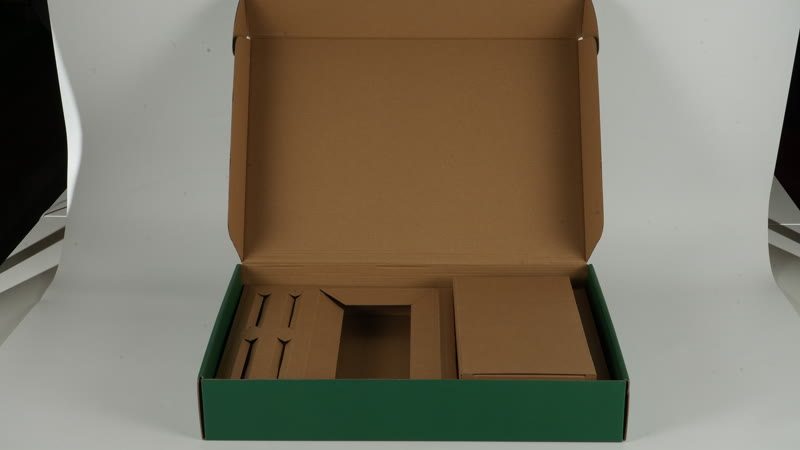
The original virgin EVA insert was replaced with a molded recycled paper-pulp tray engineered to lock each skincare product firmly in place.
Luxury Finish, Less Plastic
Plastic lamination was removed. Soy-based ink, selective foil stamping and embossing retained the high-end look without overloading the box with decorative materials.
After several prototype rounds, Forests corrected the closing tension, tray tolerance and opening resistance. The final boxes entered mass production and were shipped to Melbourne for retail launches and sustainability-focused social campaigns.
A Cosmetic Gift Box Redesigned to Enter the Paper Bin
One Material Family
The entire gift box was rebuilt around paperboard, removing PET film, plastic fittings and difficult-to-separate composite layers.
Magnets Replaced by Paper Locks
Plastic magnetic closures were removed and replaced with a paper locking structure that kept the box functional while remaining compatible with paper recycling.
Cleaner Printing and Adhesives
Washable water-based inks and recycling-compatible adhesives were selected, while the inner tray was rebuilt entirely from folded paper.
The redesigned packaging passed the client’s EU compliance review and moved into large-volume production. After unboxing, German consumers could place the complete pack directly into the paper recycling stream.
Which Is More Sustainable: Recycled or Recyclable Packaging?
There is no universal winner. Recycled content can reduce demand for virgin inputs and support markets for recovered material. Recyclability can keep a package in circulation after use. Neither benefit is guaranteed if the package fails in production, causes product damage, or cannot reach an appropriate recovery system.
For procurement, use a simple scorecard:
| Factor | Suggested weight |
|---|---|
| Product protection and compliance | 30% |
| Practical recyclability in the target market | 20% |
| Verified PCR or recycled content | 15% |
| Material efficiency and shipping weight | 10% |
| Supplier evidence and traceability | 10% |
| Customer disposal convenience | 10% |
| Cost and supply stability | 5% |
Start with product weight, fragility, moisture, temperature, shelf life, filling method, shipping route, and required documents. Then compare recycled-content options, recovery pathways, sampling results, total cost, and claim wording. A lighter package that causes breakage is not an automatic sustainability improvement.
How to Verify Claims and Avoid Greenwashing
Before approving a recycled or recyclable packaging claim, request:
- total recycled content, PCR content, and pre-consumer content as separate percentages;
- a material specification, supplier declaration, and relevant test results;
- certification details, current validity, and the exact product or component covered;
- disposal instructions for the destination market;
- confirmation of whether the claim covers the whole package or only one component.
Avoid unsupported words such as “fully sustainable,” “eco-friendly,” or “100% recyclable.” Use specific language instead: “Made with 80% recycled content, including 60% PCR,” or “Check local acceptance before recycling.” The FTC Green Guides advise that environmental claims need competent and reliable evidence and that recyclable claims may need qualification where appropriate facilities are not broadly available.
The EPA recycling system overview describes recycling as a chain of collection, processing, and remanufacturing, not just a material symbol.
What This Means for a Custom Packaging Project
Forests Packaging Group can review packaging as a connected project rather than a standalone material claim. Since 2006, company materials record service to 10,000+ brands across 153 countries and regions, supported by seven wholly owned subsidiaries. The Shanghai Intelligent Factory combines AI, data systems, AGV industrial robots, and IoT technology to connect planning, production, inspection, packing, and delivery.
That matters when a sustainability brief also includes paper bags, folding cartons, rigid boxes, pouches, mailers, inserts, or shipping packaging. Through the custom packaging product range, buyers can compare formats. FSC paper options, BRCGS, BSCI, ISO systems, FDA/RoHS reports, EPR, EUDR, and GPSR discussions are reviewed by project, material, product, and target market—not assumed for every item.
The Intelligent Factory page explains the manufacturing and quality workflow.
FAQs
Is recycled packaging always recyclable?
No. Recycled packaging may contain laminates, coatings, adhesives, or mixed components that make practical recycling difficult. Check the complete package and local recovery route.
Can recyclable packaging be made from virgin material?
Yes. Recyclability describes a possible end-of-life pathway; it does not say whether the original package contains recycled material.
Is post-consumer recycled content better than pre-consumer content?
PCR comes from material used and discarded by consumers or businesses, while pre-consumer content usually comes from manufacturing scrap. Compare both by percentage, performance, documentation, and intended market.
Does the recycling symbol prove that packaging is recyclable?
No. A symbol may identify a resin or communicate a claim, but it does not prove that local facilities collect and process the complete package. Confirm the disposal route.
What should I ask a packaging supplier about sustainability?
Ask for recycled, PCR, and pre-consumer percentages; material specifications; certification scope; component-level recyclability; market-specific disposal guidance; sample performance; and evidence supporting the proposed claim.
Conclusion: Evaluate Both Sides of the Package
Recycled packaging concerns material origin. Recyclable packaging concerns end-of-life potential. A credible packaging decision brings both together with product protection, verified PCR content, compatible components, realistic recovery access, and clear disposal instructions.
The best next step is to send the product dimensions, weight, quantity, material preference, artwork status, target market, sustainability goal, and deadline for a structured review. You can request a packaging review or quote and ask which claims can be documented for the exact package.
Send Your Packaging Brief to Our Team
Share your product type, format, size, quantity, material, destination, and required date. Our team can support artwork review, sampling, production, inspection, and export coordination.
Contact us for a project-specific recommendation.


Ready to build packaging with a factory team?
Send your product size, material, artwork, quantity, destination, and deadline so our team can focus the first review on quotation and sampling.