Custom Packaging Design: From Idea to Production

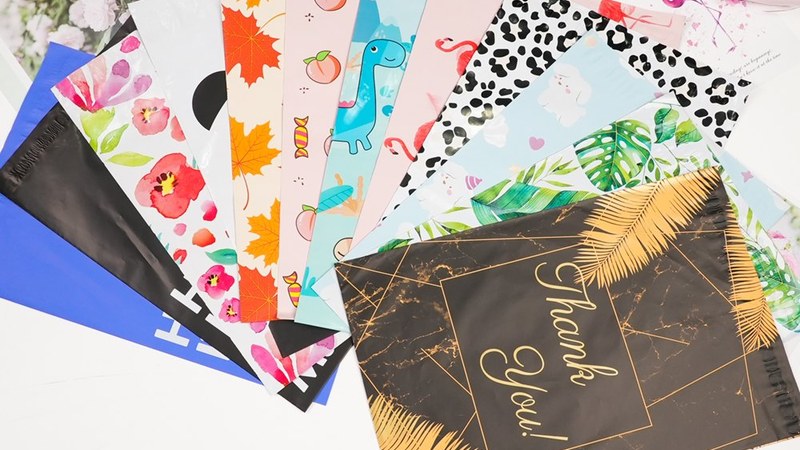
Custom packaging design is more than choosing colors and placing a logo on a box. A successful package must protect the product, communicate the brand, fit the sales channel, and work smoothly in production. This guide explains how to move from an initial concept to a tested, production-ready package.
Quick Answer: What Makes Custom Packaging Design Successful?
The strongest custom packaging design connects brand presentation with real production requirements. Before approving the artwork, define the product, customer, sales channel, structure, materials, required information, and delivery plan.
- Start with the product, customer, and sales channel.
- Choose the packaging structure and material before finalizing the artwork.
- Prepare accurate dimensions, product information, and brand assets.
- Test the package through dieline review, sampling, and approval.
- Confirm production, inspection, compliance, and shipping requirements before placing the order.
What Is Custom Packaging Design?
Custom packaging design combines appearance, structure, materials, and function in one product-specific package. It includes more than the graphic layout. The final design must also account for dimensions, folding, gluing, filling, product protection, printing, finishing, storage, and transportation.
A package may look attractive on a screen but still fail during folding, filling, stacking, or shipping. That is why a production-ready design needs to be reviewed by both creative and manufacturing teams.
Custom Packaging Design Combines Appearance and Function
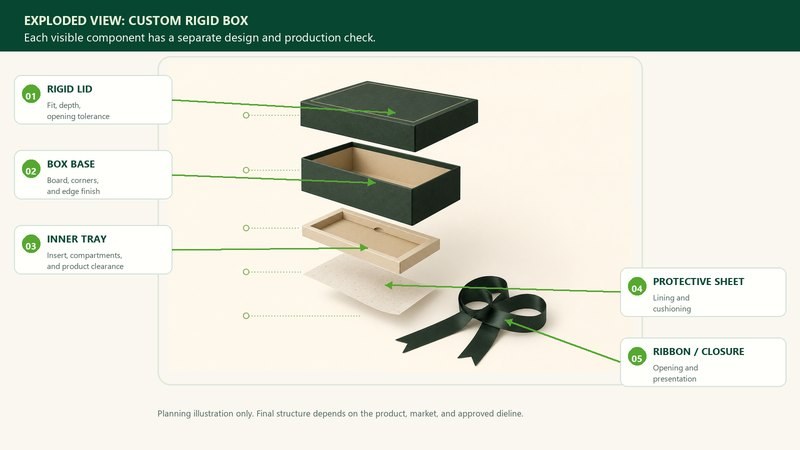
The visual side of packaging includes color, typography, imagery, logo placement, and surface finishes. The functional side includes the package format, material thickness, closure, inserts, load-bearing performance, and ease of opening.
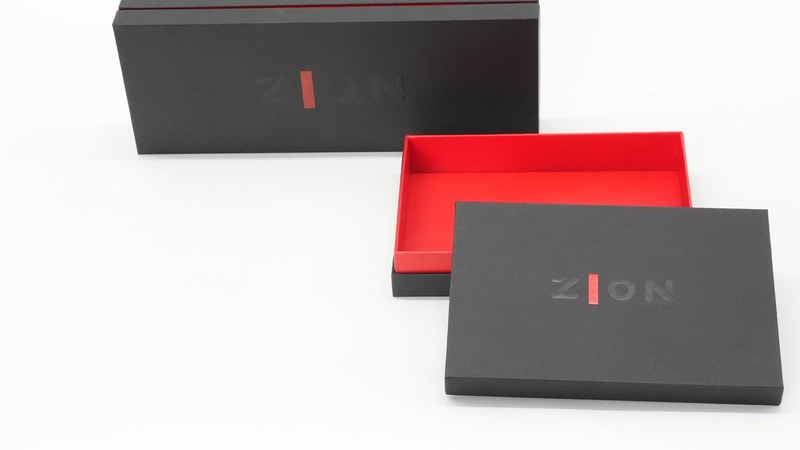
Good design makes these two sides work together. A premium rigid box may create a strong unboxing experience, while folding carton packaging may offer efficient storage and retail presentation. The right decision depends on the product and the route it will take from factory to customer.
Custom Packaging Design vs. Standard Packaging
| Standard Packaging | Custom Packaging Design |
|---|---|
| Fixed sizes and formats | Product-specific dimensions and structures |
| Limited branding options | Custom artwork, materials, and finishes |
| Faster to select | More flexibility for protection and presentation |
| May create unused space | Can improve product fit and shipping efficiency |
Custom packaging is not automatically better in every situation. It becomes valuable when the product, brand, customer experience, or shipping requirements cannot be served well by a standard format.
How to Choose the Right Packaging Design for Your Product
Before opening a design program, answer three questions: What is the product? Who is buying it? How will it reach the customer? These answers shape the structure, material, artwork, and production method.
What Is the Product?
Start with the practical details. Record the product dimensions, weight, fragility, shelf life, filling method, and protection requirements. Does it need to stay dry, sealed, cushioned, or separated from other items?
A fragile product may need an insert or protective layer. A food product may need suitable material documentation and clear product information. A heavy item may require a stronger board or a different structural design. The packaging should be designed around the product, not the other way around.
Who Is the Customer?
Packaging should make sense to the person buying and using the product. A premium buyer may expect tactile materials and restrained finishes, while an e-commerce customer may care more about protection and an easy opening experience.
Brand consistency matters as well. Colors, typography, logo placement, and tone should connect the package with the website, product page, inserts, and social content.
Where Will the Product Be Sold?
Retail and e-commerce packaging have different jobs. Retail packaging needs strong shelf presence and fast product recognition. E-commerce packaging needs to protect the product, avoid unnecessary empty space, and create a positive unboxing moment.
Wholesale packaging also needs to consider carton loading, stacking, warehouse handling, and repeat ordering. A design that looks excellent on a product photograph may still be inefficient when packed by the case or pallet.
Premium Skincare Gift Box From concept design to mass production
A luxury gift box concept was transformed into a stable, premium and export-ready packaging solution.
The original design looked premium but was not production-ready. Loose trays, weak board rigidity and incompatible finishes created risks during mass production.
Box dimensions and production tolerances were recalibrated.
Higher-stiffness board improved closure and shape stability.
Custom inserts eliminated gaps and prevented product movement.
Hot stamping, embossing and lamination parameters were refined.
The approved sample entered mass production with stable structure, consistent finishing and export-grade quality control.
What Information Do You Need Before Starting Custom Packaging Design?
Preparing the right information early reduces revisions and helps the packaging supplier recommend a structure that can actually be produced.
Product Specifications
- Product name and application
- Finished product dimensions and weight
- Filling or packing method
- Required protection level
- Target market and shipping destination
- Expected quantity and delivery date
Brand Assets
Prepare a vector logo, brand colors, CMYK or Pantone references, fonts, product photography, and any existing brand guidelines. Vector artwork helps the logo remain sharp at different package sizes, while high-resolution images reduce the risk of blurry printing.
Required Packaging Information
Depending on the product and market, the package may need a product name, ingredients, specifications, barcode, nutrition information, batch number, expiration date, usage instructions, recycling marks, or other compliance information. For food products, review the FDA’s guidance on food-contact substances early in the design process. If the package will enter retail or distribution channels, confirm barcode requirements using GS1 barcode standards.
Variable information should be considered early. Food, cosmetic, and batch-produced products may need space for dates, codes, stickers, or labels that change from one production run to another.
Budget, Quantity, and Timeline
Packaging cost is influenced by material, printing method, finishes, tooling, sampling, quantity, packing, shipping, and delivery requirements. A lower unit price is not always the lowest total cost if the package creates filling problems, damage, rework, or delivery delays.
How to Design Custom Packaging From Idea to Production
A reliable custom packaging design workflow moves through clear checkpoints. Each checkpoint gives the buyer an opportunity to confirm what is happening before the project reaches the next stage.
Step 1: Review the Product and Packaging Requirements
Confirm the product type, dimensions, material preference, quantity, target market, filling method, destination, and required delivery date. This information creates the project brief used by design, sampling, production, and logistics teams.
Step 2: Select the Packaging Structure and Material
Choose the format according to product protection, presentation, storage, and shipping needs. Options may include folding cartons, rigid boxes, mailer boxes, paper bags, flexible pouches, inserts, or protective components.
At this stage, evaluate board thickness, surface, folding method, closure, insert design, and finishing. A material decision made too late can force unnecessary artwork changes.
Step 3: Develop the Artwork and Dieline
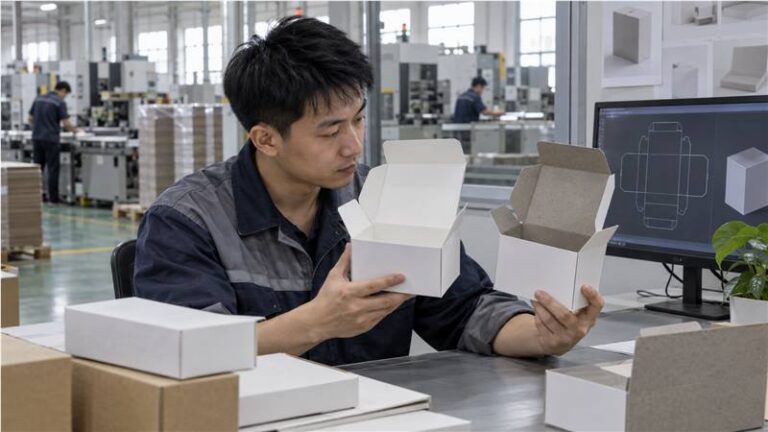
The artwork and dieline should be reviewed together. Confirm finished dimensions, bleed, fold lines, cut lines, glue areas, safe zones, barcode placement, text readability, and color references.
The dieline is not decoration. It is the manufacturing map that shows how the flat sheet becomes the finished package.
Step 4: Create a Physical Sample
A physical sample helps verify dimensions, product fit, folding, opening, stability, color, finish, and filling. It can also reveal problems that are easy to miss in a digital mockup, such as a tight opening, weak corner, or unreadable panel.
Step 5: Approve the Sample as the Production Reference
Once the sample is approved, record the confirmed dimensions, materials, artwork, colors, finishes, packing method, and inspection requirements. The approved sample should become the reference for mass production.
Step 6: Move the Approved Design Into Production
An integrated factory workflow helps reduce handoff errors between artwork review, sampling, production, and inspection. It also makes it easier to identify manufacturing constraints before the order reaches the production line.
Forests Packaging Group connects custom packaging development with an Intelligent Factory, supporting the transition from approved sample to repeatable production.
Step 7: Inspect and Pack the Finished Packaging
Quality checks may include material condition, print consistency, color accuracy, structural dimensions, folding and gluing, surface finish, quantity, and export packing. The inspection scope should match the package format and the buyer’s requirements.
Step 8: Coordinate Shipment and Delivery
Packaging design should consider the final transport route. Carton loading, palletization, transit protection, shipping documents, destination, and delivery date can all affect the most suitable structure and packing method.
Custom Packaging Design Tips for Better Results
Design for the Product, Not Just the Screen
Review the design through actual folding, filling, stacking, and transportation conditions. A realistic sample is more useful than a beautiful image that has never been tested.
Keep the Main Message Clear
The front panel should quickly communicate what the product is, who it is for, and why it matters. A clear visual hierarchy usually performs better than a package filled with competing messages.
Match Materials to the Product Experience
Material texture, weight, gloss, and finish should support the product’s positioning. Finishes are most useful when they improve recognition, touch, protection, or perceived value rather than simply adding complexity.
Leave Space for Variable Information
Plan space for batch codes, expiration dates, variable labels, barcodes, and regulatory information before the artwork is finalized. This prevents the finished package from looking crowded or incomplete.
Think About Reordering
Keep the final artwork, approved dieline, color references, material specifications, and sample approval records together. Good documentation makes future orders more consistent and reduces repeated clarification.
Common Custom Packaging Design Mistakes
Choosing the Structure Too Late
If the visual design is completed before the structure is confirmed, the artwork may need to be redesigned. Confirm the package format, dimensions, and material before finalizing the graphics.
Using Low-Resolution Artwork
Low-resolution images and raster logos can become blurry when enlarged. Use vector logos and high-resolution images whenever possible.
Ignoring the Filling Method
A package designed without considering manual or machine filling may slow down packing or create fit problems. Confirm how the product will be inserted, sealed, and handled.
Skipping Physical Sampling
Direct mass production removes the opportunity to catch structural, color, opening, and filling problems at a lower cost. Sampling is a risk-control step, not an unnecessary delay.
Custom Packaging Design Ideas by Application
Food and Beverage Packaging
Prioritize product protection, suitable material documentation, clear product information, shelf visibility, and moisture or grease resistance where needed.
Beauty and Skincare Packaging
Use structure, color, texture, and finishing to communicate product positioning. Inserts and presentation details can also improve the opening experience.
E-commerce and Shipping Packaging
Focus on impact protection, efficient dimensions, easy opening, reduced empty space, and branded unboxing. The package should look intentional without creating unnecessary shipping volume.
Gift and Premium Packaging
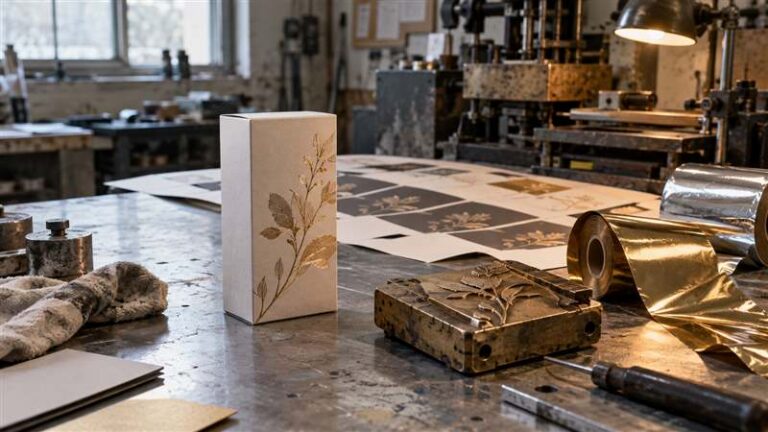
Rigid structures, magnetic or drawer-style openings, foil stamping, embossing, and carefully designed interiors can create a more memorable presentation.
Retail and Product Launch Packaging
Retail launch packaging needs clear hierarchy, shelf impact, product differentiation, and a design system that can be repeated across product variants.
E-commerce Mailer Box From basic carton to fulfillment-ready packaging
A loose, filler-heavy mailer box was rebuilt into a more protective, efficient and brand-ready shipping system.
Excess internal space caused product movement and transit damage. Extra fillers slowed warehouse packing, while basic printing weakened the unboxing experience.
Oversized space required bubble filling and allowed products to shift.
A fitted insert secured the product and simplified warehouse packing.
Dimensions were recalculated around product size and shipping weight.
A card-style structure replaced loose bubble fillers.
The self-lock design improved forming, loading and sealing speed.
Printing was refined for a more professional brand experience.
The final system was prepared for overseas warehousing, sea freight, order fulfillment and last-mile delivery.
How to Make Custom Packaging More Sustainable
Sustainable packaging decisions should consider the complete packaging system rather than one marketing label. Evaluate material weight, production waste, product protection, shipping efficiency, and end-of-life handling together. The EPA’s sustainable materials management framework also encourages a life-cycle view of material decisions.
Right-sized packaging can reduce unused space, material consumption, shipping volume, and product movement inside the package. Designing files and structures for repeat production can also reduce avoidable rework and waste.
How a Factory Helps Turn Packaging Design Into a Production-Ready Product
A packaging design is only successful when it can be produced consistently, packed efficiently, inspected properly, and delivered on schedule. This is where factory experience becomes important.
Forests Packaging Group supports buyers through artwork and dieline review, structural sampling, material selection, production, inspection, export packing, and delivery coordination. Connecting these stages through an integrated Intelligent Factory helps keep the approved design consistent from the first sample to the finished order.
FAQs About Custom Packaging Design
What is included in custom packaging design?
Custom packaging design can include the structure, dimensions, materials, artwork, printing, finishes, inserts, labels, and production-ready dielines.
How do I prepare artwork for custom packaging?
Prepare a vector logo, high-resolution images, correct brand colors, readable text, required product information, and a confirmed dieline with bleed and safe areas.
Why is a physical packaging sample important?
A physical sample confirms the actual size, structure, folding, opening experience, product fit, color, and finish before mass production begins.
Can custom packaging be designed for e-commerce shipping?
Yes. E-commerce packaging should balance product protection, compact dimensions, shipping efficiency, easy opening, and a branded unboxing experience.
How can I request a custom packaging design quote?
Provide the product type, packaging format, dimensions, material preference, quantity, artwork status, destination, and required delivery date so the supplier can recommend the right structure and production method.
Conclusion
Custom packaging design should balance brand presentation, product protection, production feasibility, and delivery requirements. The strongest results come from confirming the structure and materials early, reviewing the dieline carefully, testing a physical sample, and keeping the approved specification consistent through production.
The best package is not only attractive. It is practical, repeatable, manufacturable, and ready for the real world.
Turn Your Packaging Design Into a Production-Ready Package
Forests Packaging Group helps buyers move from packaging concept to production through artwork review, structural sampling, material selection, manufacturing, inspection, and export coordination. Our integrated Intelligent Factory helps reduce handoff errors and keep the approved design consistent throughout production.
Send us your product type, dimensions, material, quantity, destination, artwork, and deadline. Request a Custom Packaging Quote for a project-specific recommendation.
Send Your Packaging Brief to Our Team
Share your product type, format, size, quantity, material, destination, and required date. Our team can support artwork review, sampling, production, inspection, and export coordination.
Contact us for a project-specific recommendation.
Ready to build packaging with a factory team?
Send your product size, material, artwork, quantity, destination, and deadline so our team can focus the first review on quotation and sampling.