Packaging Design, Materials, and Industry Insights
Practical packaging guidance for brand owners, procurement teams, and product managers comparing materials, structures, sampling, compliance, and delivery with a factory-backed supplier.
Packaging Guides for Brand Owners and Procurement Teams
-
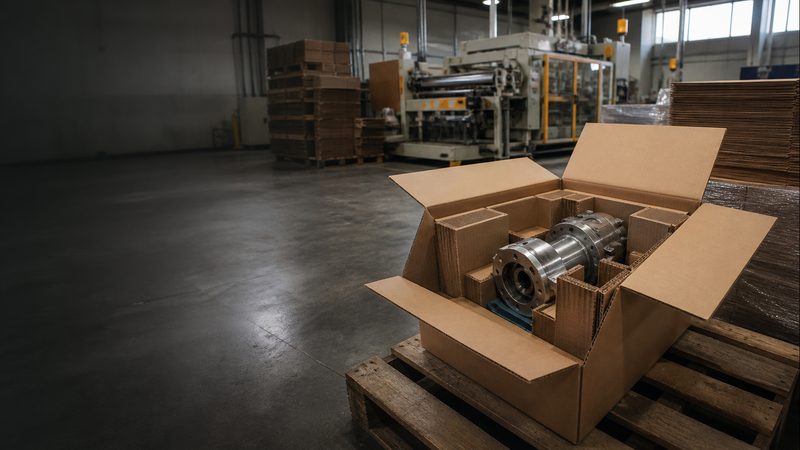
Manufacturing Packaging Solutions: An RFQ Guide
Read the article →: Manufacturing Packaging Solutions: An RFQ GuideQuick answer: Manufacturing packaging solutions should be specified around the product, the distribution environment, and the packing operation—not around a box price alone. A useful RFQ should include product dimensions, weight, quantity, shipping method, stacking conditions, protection risks, packaging structure, testing expectations, delivery location, and replenishment timing. Manufacturers rarely lose money because a carton costs…
-
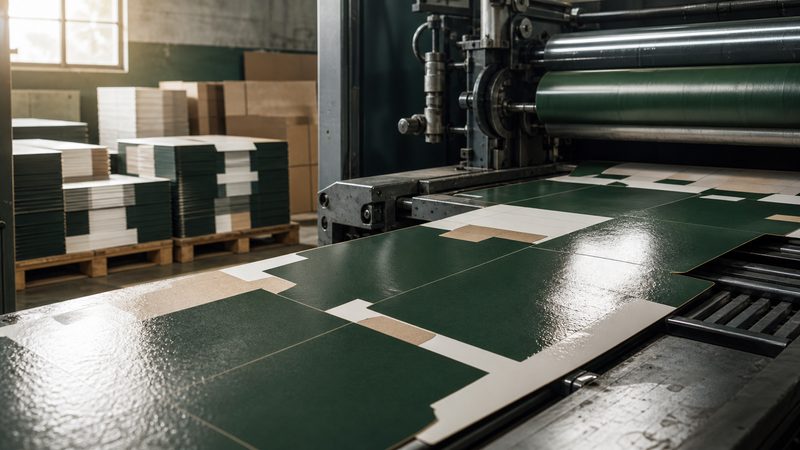
Aqueous Coating in Packaging: How It Works and When to Use It
Read the article →: Aqueous Coating in Packaging: How It Works and When to Use ItWhat Is Aqueous Coating? If you have ever handled a printed carton that feels smoother, dries quickly, and does not pick up fingerprints immediately, it may have an aqueous coating. Also called AQ coating, it is a water-based finish applied over printed paper or paperboard to improve the surface feel, appearance, and resistance to everyday…
-
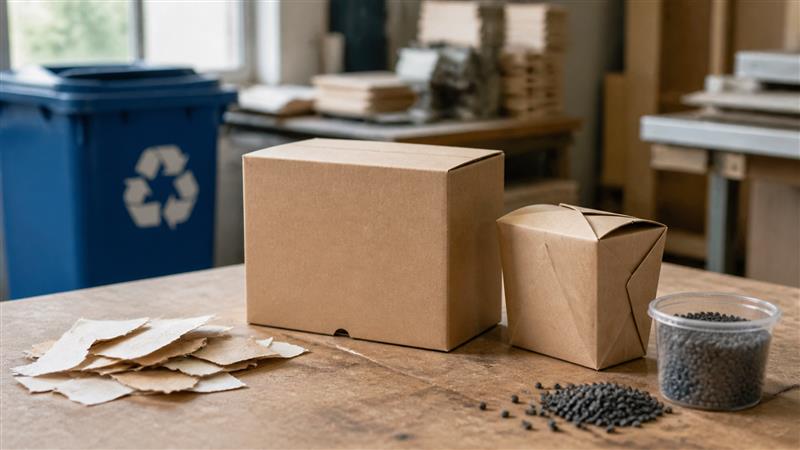
Post Consumer vs Post Industrial Recycled Content: What’s the Difference for Packaging?
Read the article →: Post Consumer vs Post Industrial Recycled Content: What’s the Difference for Packaging?“Made with recycled content” is not a complete material specification. For packaging buyers, the more useful question is where that recycled material came from, how consistent it is, and whether the finished pack still protects the product. The post consumer vs post industrial distinction separates two different waste streams. PCR supports recovery after consumer use;…
-
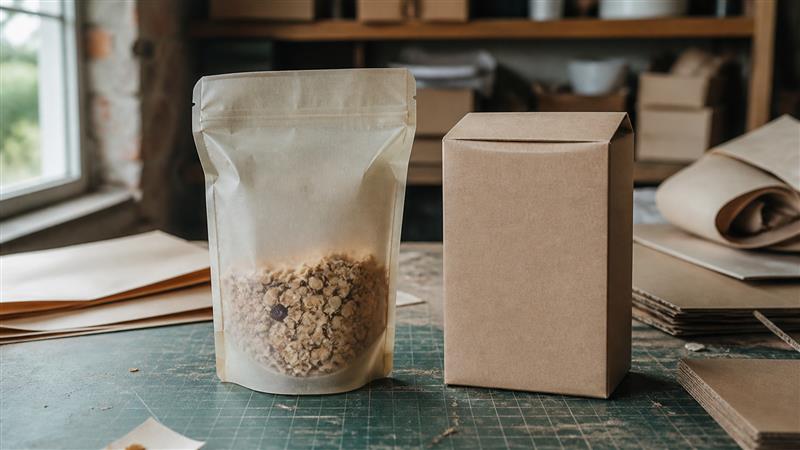
Compostable vs. Recyclable Packaging: Which Is More Sustainable?
Read the article →: Compostable vs. Recyclable Packaging: Which Is More Sustainable?Compostable packaging sounds like an easy sustainability win. Recyclable packaging sounds more familiar, but “recyclable” does not guarantee recovery. For a useful compostable vs recyclable packaging decision, compare the material, product protection, collection system, contamination risk, and what customers can realistically do after use. What Does Compostable Packaging Actually Mean? Compostable packaging is designed to…
-
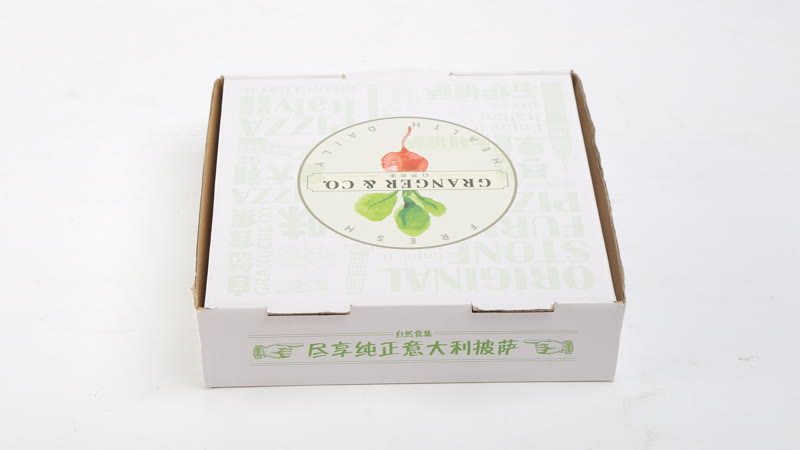
Butcher Paper vs. Parchment Paper: Which Should You Use?
Read the article →: Butcher Paper vs. Parchment Paper: Which Should You Use?Butcher paper and parchment paper are not the same. One is usually chosen for wrapping, handling and presentation; the other is associated with non-stick baking and cooking. For a food business, the right paper depends on grease, moisture, heat, breathability and what happens after the food leaves the kitchen. Quick answer: choose parchment when the…
-
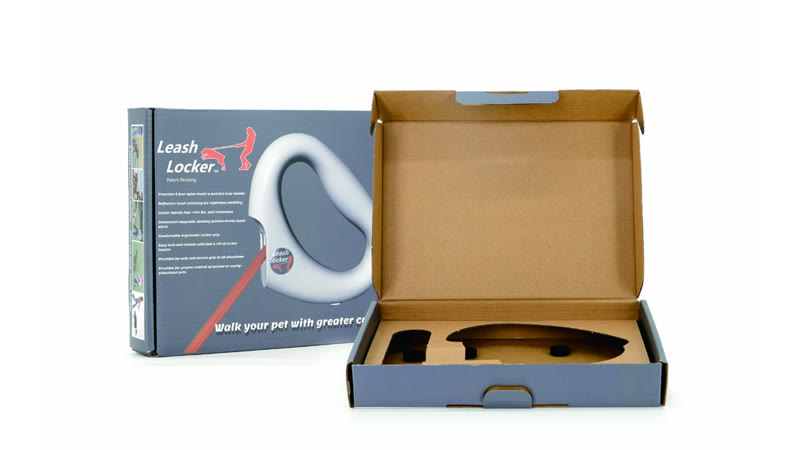
How to Package Fragile Items for Shipping
Read the article →: How to Package Fragile Items for ShippingHow to Package Fragile Items for Shipping Fragile shipping packaging is a system: a suitable outer box, surface protection, cushioning, movement control and a repeatable packing method. Add only loose fill and you may make a box look full while the product still collides with a wall. The goal is simpler: no damaging movement, no…
-

PMS Colors Explained: Pantone, Charts and CMYK
Read the article →: PMS Colors Explained: Pantone, Charts and CMYKA brand blue can look calm and premium on a screen, then noticeably different on a kraft mailer or a matte carton. That is why PMS colors matter in packaging: they give designers and printers a shared color reference. They do not, however, cancel out paper, ink, coating, press settings, or lighting. Quick answer: PMS…
-

What Is Chipboard Packaging? Chipboard vs. Cardboard, Uses, and Box Options
Read the article →: What Is Chipboard Packaging? Chipboard vs. Cardboard, Uses, and Box OptionsChipboard packaging is solid paperboard made largely from recovered paper fibers. It is useful for retail cartons, rigid-box cores, inserts, dividers, and backing boards—but it is not the same as fluted corrugated shipping board, and it is not furniture-grade wood particleboard. The practical question is simple: does the pack need a smooth, rigid retail structure,…
-
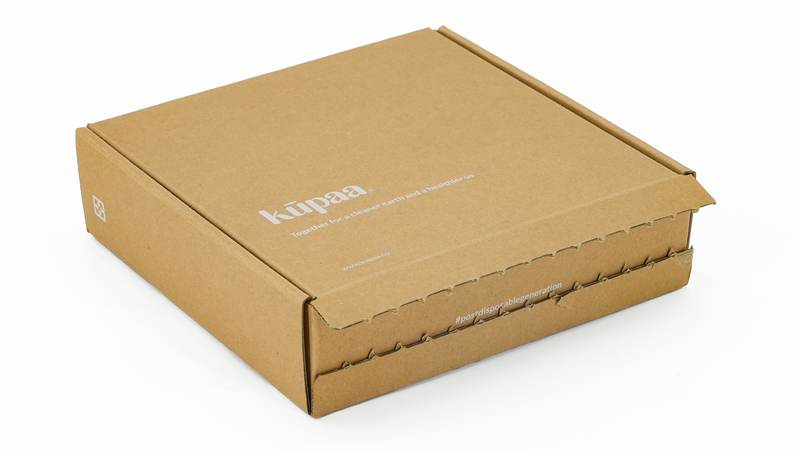
How to Calculate the Right Packaging Dimensions for Your Product
Read the article →: How to Calculate the Right Packaging Dimensions for Your ProductRight-size packaging means using the smallest package that still protects the product, closes reliably, and works through the intended shipping channel. To calculate it, start with the fully packed product—not the bare item—then add only the clearance your protection system and packing process actually need. That sounds obvious, but it is where many box briefs…
Ready to build packaging with a factory team?
Send your product size, material, artwork, quantity, destination, and deadline so our team can focus the first review on quotation and sampling.