Packaging Design, Materials, and Industry Insights
Practical packaging guidance for brand owners, procurement teams, and product managers comparing materials, structures, sampling, compliance, and delivery with a factory-backed supplier.
Packaging Guides for Brand Owners and Procurement Teams
-

Busch Light Can Packaging: When the Can Becomes the Promotion
Read the article →: Busch Light Can Packaging: When the Can Becomes the PromotionQuick answer: A limited-edition busch light can worked because the artwork did more than refresh the shelf. Fish illustrations, a rare gold variant, coordinated multipacks, and a prize mechanic gave shoppers a reason to look closely and talk about what they found. The useful lesson for other beverage brands is not to copy the fishing…
-

Paper Void Fill Packaging: How to Choose the Right Format
Read the article →: Paper Void Fill Packaging: How to Choose the Right FormatQuick answer: paper void fill is used to control empty space and product movement inside a shipping carton. It can block, brace, wrap, cushion, or improve presentation—but those are different jobs. The right paper void fill packaging depends on product weight, fragility, carton size, packing speed, and how much material each shipment actually consumes. A…
-

Hexacomb Protective Packaging: A Practical Guide
Read the article →: Hexacomb Protective Packaging: A Practical GuideQuick answer: Hexacomb is a paper-based honeycomb protective packaging material that combines low weight with rigidity, cushioning, and configurable geometry. It can be made into pads, blocks, edge protectors, dividers, trays, pallets, and load-securement components—but the right format depends on the product, load, route, and failure risk. If a machine arrives with a crushed corner,…
-

How to Ship a Cake Safely: Packaging That Survives Transit
Read the article →: How to Ship a Cake Safely: Packaging That Survives TransitQuick answer: To ship a cake successfully, protect two different things: the cake itself and the parcel around it. Start with a stable cake board and a close-fitting inner cake box. Then add insulation or coolant when the recipe and route require it, and place that inner package inside a correctly sized corrugated shipping box…
-

Regular Slotted Container (RSC): A Practical Packaging Guide
Read the article →: Regular Slotted Container (RSC): A Practical Packaging GuideQuick answer: A regular slotted container (RSC) is the standard corrugated shipping box: four body panels, equal-length flaps, and outer flaps that meet at the center. It is efficient, easy to store, and suitable for many ecommerce, manufacturing, and distribution jobs. The right RSC still depends on product fit, board strength, stacking, handling, and the…
-

Pantone vs CMYK for Packaging: How to Match Brand Color
Read the article →: Pantone vs CMYK for Packaging: How to Match Brand ColorQuick answer: Pantone is usually the safer starting point when one or two brand colors must stay recognizable across packaging runs. CMYK is usually more efficient for photographs, gradients, and complex artwork. The right choice depends on the color, substrate, print process, quantity, finish, and how closely the final package must match the approved reference.…
-
Manufacturing Packaging Solutions: An RFQ Guide
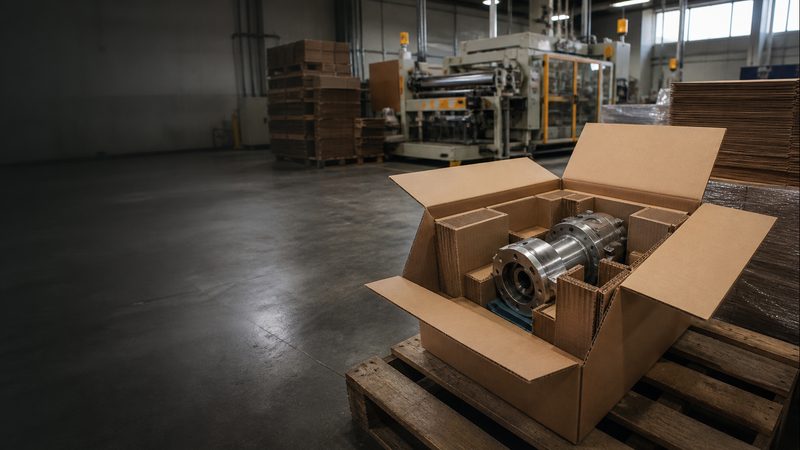
Read the article →: Manufacturing Packaging Solutions: An RFQ GuideQuick answer: Manufacturing packaging solutions should be specified around the product, the distribution environment, and the packing operation—not around a box price alone. A useful RFQ should include product dimensions, weight, quantity, shipping method, stacking conditions, protection risks, packaging structure, testing expectations, delivery location, and replenishment timing. Manufacturers rarely lose money because a carton costs…
-
Aqueous Coating in Packaging: How It Works and When to Use It
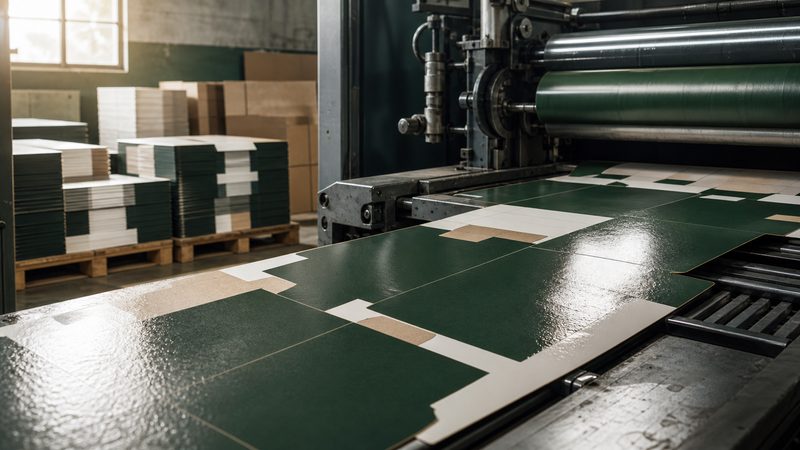
Read the article →: Aqueous Coating in Packaging: How It Works and When to Use ItWhat Is Aqueous Coating? If you have ever handled a printed carton that feels smoother, dries quickly, and does not pick up fingerprints immediately, it may have an aqueous coating. Also called AQ coating, it is a water-based finish applied over printed paper or paperboard to improve the surface feel, appearance, and resistance to everyday…
-

Post Consumer vs Post Industrial Recycled Content: What’s the Difference for Packaging?
Read the article →: Post Consumer vs Post Industrial Recycled Content: What’s the Difference for Packaging?“Made with recycled content” is not a complete material specification. For packaging buyers, the more useful question is where that recycled material came from, how consistent it is, and whether the finished pack still protects the product. The post consumer vs post industrial distinction separates two different waste streams. PCR supports recovery after consumer use;…
Ready to build packaging with a factory team?
Send your product size, material, artwork, quantity, destination, and deadline so our team can focus the first review on quotation and sampling.