Packaging Design, Materials, and Industry Insights
Practical packaging guidance for brand owners, procurement teams, and product managers comparing materials, structures, sampling, compliance, and delivery with a factory-backed supplier.
Packaging Guides for Brand Owners and Procurement Teams
-
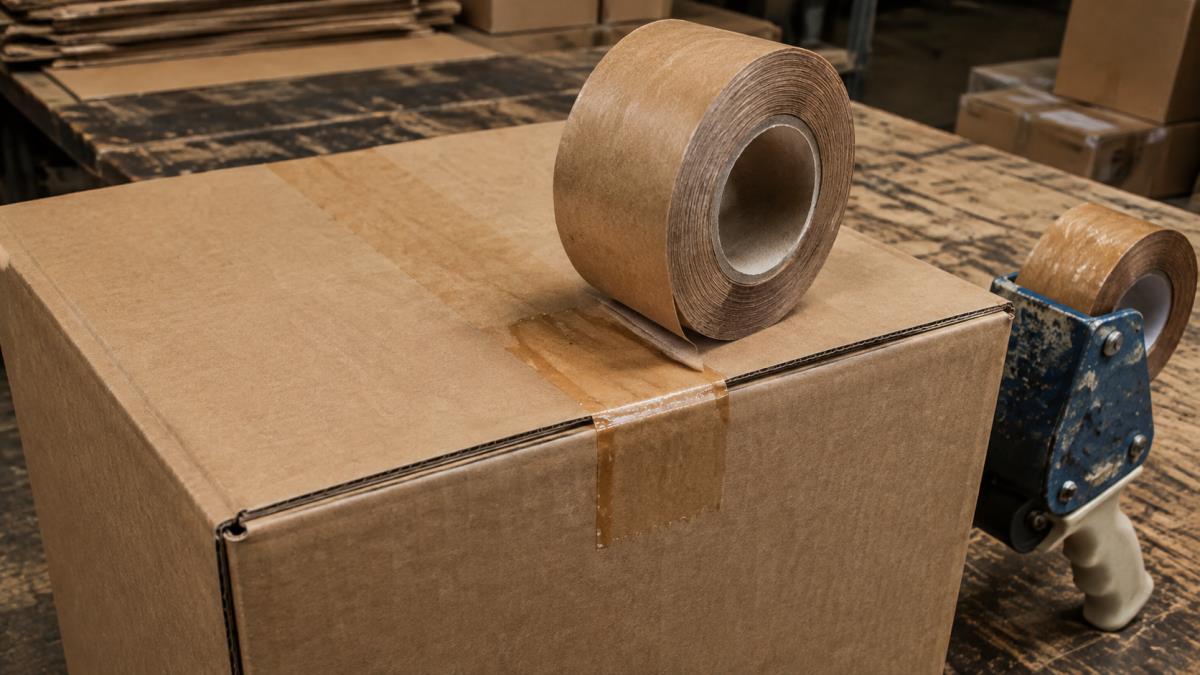
What Is Gummed Tape? How Water-Activated Packing Tape Works
Read the article →: What Is Gummed Tape? How Water-Activated Packing Tape WorksLearn how gummed tape works, when to choose reinforced paper tape, how to size and apply it, and what to ask a custom gummed tape supplier.
-

Luxury Spirits Packaging: Trends That Survive Production
Read the article →: Luxury Spirits Packaging: Trends That Survive ProductionA luxury spirits pack has a short window to make its point: the bottle is lifted, the lid opens, and the buyer decides whether the price feels justified. The trick is not to add weight, foil, and parts at random. Luxury spirits packaging works when the bottle, box, insert, surface, and opening sequence feel like…
-
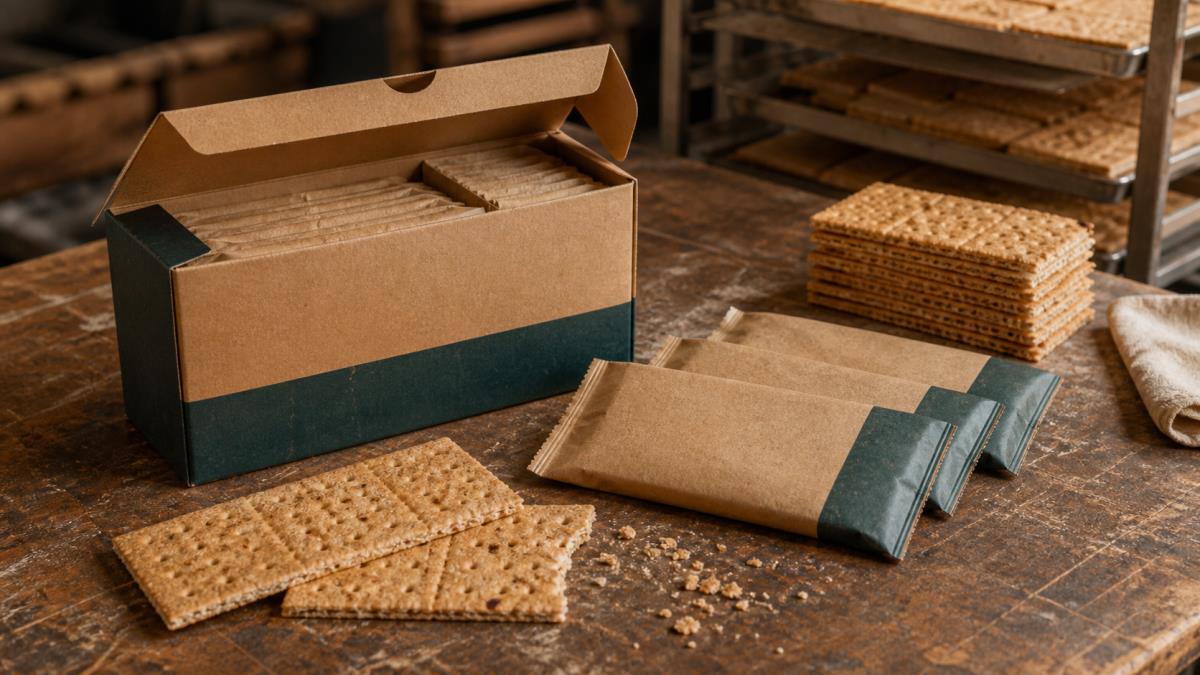
How Many Graham Crackers Are in a Sleeve?
Read the article →: How Many Graham Crackers Are in a Sleeve?Short answer: a typical sleeve contains about 9 full graham cracker sheets. A common box has three sleeves, or roughly 27 full sheets. That is a useful kitchen estimate, not a promise that every brand, box size, or production run will match it exactly. The word “cracker” causes some of the confusion. One full sheet…
-
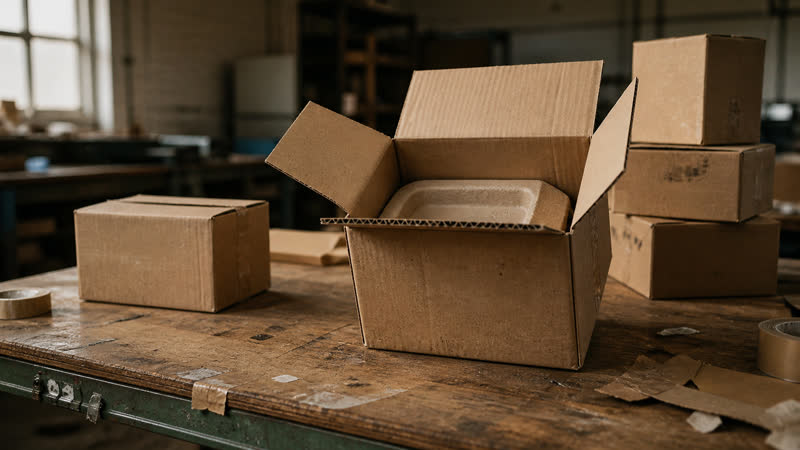
Recycled Shipping Boxes: Custom & Eco-Friendly
Read the article →: Recycled Shipping Boxes: Custom & Eco-FriendlyRecycled shipping boxes are not judged by the brown color alone. A buyer needs two answers before approving them: how much recovered fiber is actually in the board, and whether the finished box can survive the route from warehouse to customer. This guide covers recycled content, PCR and PIR fiber, 32 ECT, right-sizing, printing, inserts,…
-
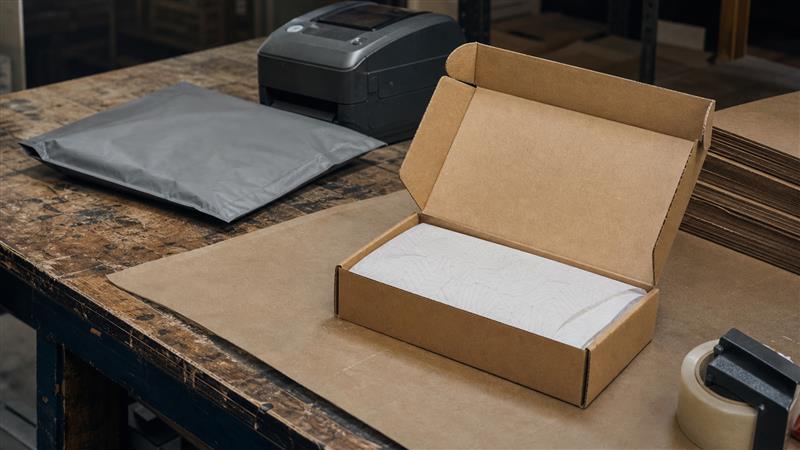
Discreet Packaging: When Privacy Matters at Delivery
Read the article →: Discreet Packaging: When Privacy Matters at DeliveryDiscreet packaging explained: compare privacy levels, plain mailers and boxes, labels, interior branding, 3PL checks and custom shipping specs.
-
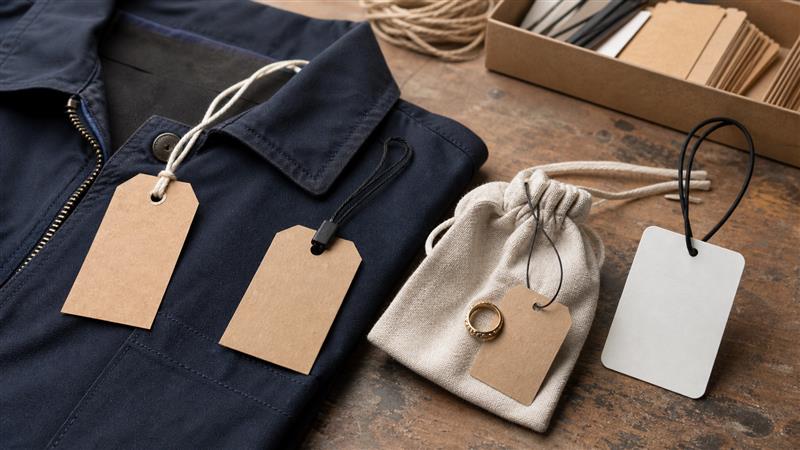
What Is a Hang Tag? Uses, Materials & Custom Design Guide
Read the article →: What Is a Hang Tag? Uses, Materials & Custom Design GuideLearn what a hang tag is, what to print on it, and how to choose the right material, size, shape, hole and attachment for retail products.
-
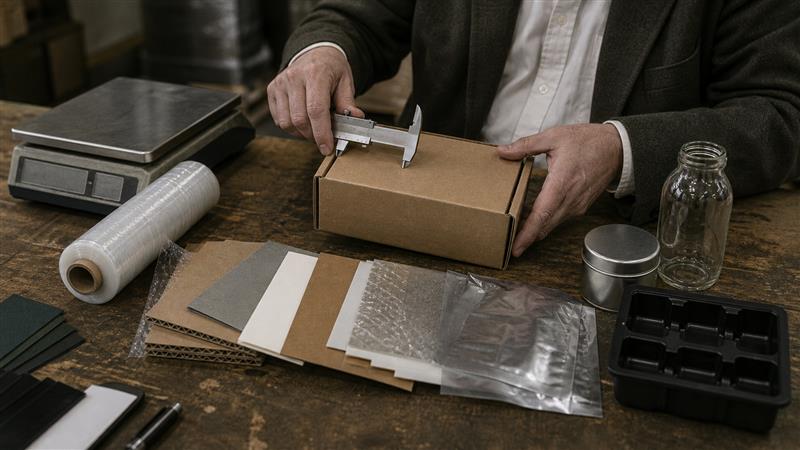
Packaging Materials: 80% Recycled Mailer, 22% Lighter
Read the article →: Packaging Materials: 80% Recycled Mailer, 22% LighterQuick answer: The best packaging material is the one that protects the product through its actual supply chain without adding unnecessary weight, cost or disposal problems. The main categories are paper and corrugated, plastic, glass, metal and multi-material structures. The material name is only the starting point; the package format, barrier, dimensions and shipping route…
-
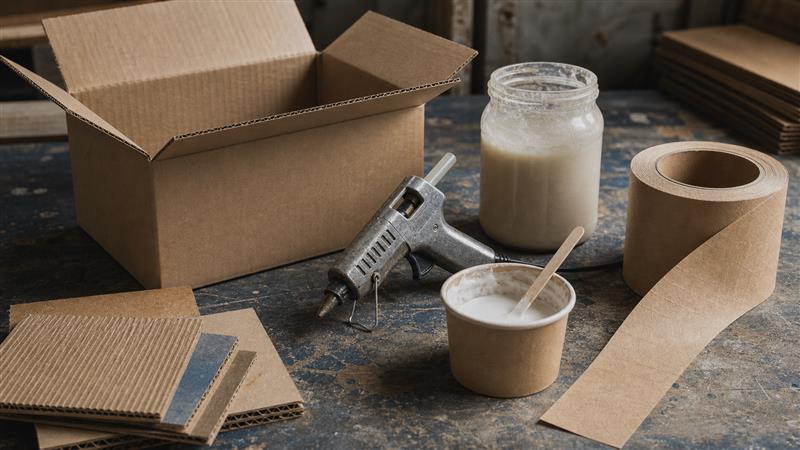
Eco-Friendly Packaging Adhesives: Types, Uses and Selection
Read the article →: Eco-Friendly Packaging Adhesives: Types, Uses and SelectionQuick answer: An eco friendly adhesive is not chosen by the word “natural” alone. The practical choice depends on the substrate, bond strength, set speed, equipment, emissions, adhesive quantity and what happens to the finished package after use. Packaging glue is easy to ignore until a carton opens, a label lifts or a mailer stalls…
-
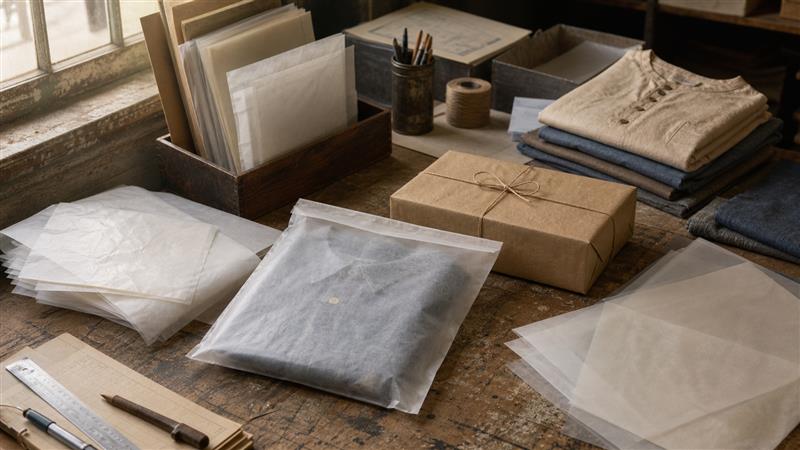
Glassine Paper: Uses, Limits & Custom Packaging Options
Read the article →: Glassine Paper: Uses, Limits & Custom Packaging OptionsGlassine paper is a smooth, dense and translucent paper made from highly refined wood pulp. It can protect a product from dust, light scuffing and some grease without looking or behaving like a clear plastic film. That makes it useful for apparel, stationery, artwork, jewellery and selected food applications. The catch is just as important:…
Ready to build packaging with a factory team?
Send your product size, material, artwork, quantity, destination, and deadline so our team can focus the first review on quotation and sampling.