What Is Chipboard Packaging? Chipboard vs. Cardboard, Uses, and Box Options

Chipboard packaging is solid paperboard made largely from recovered paper fibers. It is useful for retail cartons, rigid-box cores, inserts, dividers, and backing boards—but it is not the same as fluted corrugated shipping board, and it is not furniture-grade wood particleboard.

The practical question is simple: does the pack need a smooth, rigid retail structure, or does it need shock absorption for parcel transit? This guide makes that choice easier, then shows what to specify before sampling chipboard boxes.

Quick answer

  • Choose chipboard when retail presentation, stiffness, print surface, and cost matter more than cushioning.
  • Choose corrugated board when a package must survive stacking, drops, and a parcel network on its own.
  • Confirm the grade, caliper, coating, structure, and actual product load together. Thickness alone is not a specification.
  • Treat recycled-content and recyclability claims as project-specific: windows, laminations, food residue, and local collection rules all matter.

What is chipboard packaging?

In packaging, chipboard usually means a dense, solid sheet in the broader paperboard packaging material family. Recovered paper is repulped, formed into layers, pressed, dried, and cut into board. The surface may be plain grey, white-lined, clay-coated, printed, or hidden beneath a decorative wrap.

Terminology gets messy quickly. “Cardboard” is an informal umbrella word. A folding carton may be solid paperboard; a shipper may be corrugated cardboard with a fluted middle; and a premium rigid box may use thick greyboard or chipboard as its hidden core. Meanwhile, wood particleboard is a separate wood-composite product. If a supplier hears only “chip board,” show the intended structure or sample.

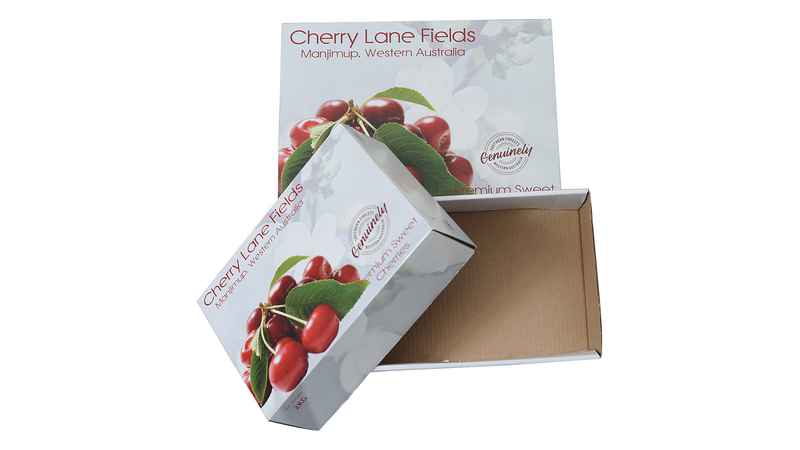
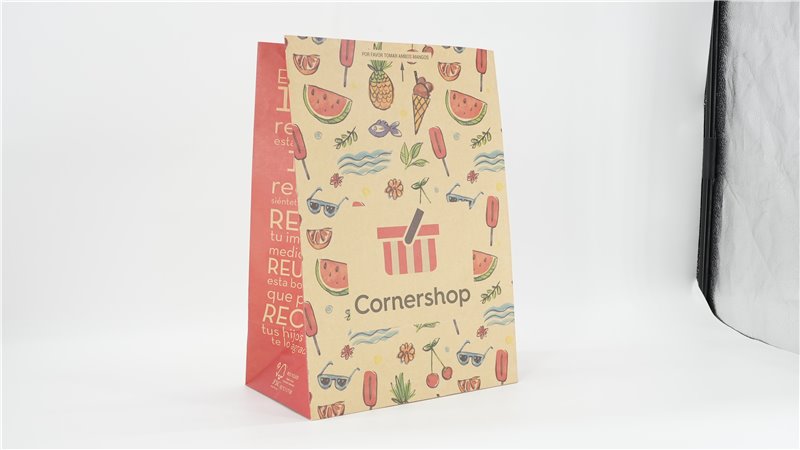
Printed retail carton photographed from Colin packaging materials
A retail carton is a solid-board presentation layer; it can still need a separate outer shipper for transit.

Where it fits best

Chipboard earns its place where a product needs shape and shelf presence without a bulky shipping wall: lightweight cosmetics, stationery, dry-goods secondary cartons, product cards, dividers, book covers, and wrapped gift boxes. For a bottle, jar, or delicate small electronic item, it normally works as the retail layer inside a corrugated transit pack—not as the entire delivery system.

Chipboard vs cardboard: the buyer-ready comparison

The useful comparison is not “which one is better?” It is “which failure are you designing against?” A solid board resists bending in a neat, compact retail format. Corrugated board uses liners and flutes to create a thicker wall with more cushioning and stacking performance.

Decision pointChipboard / solid paperboardCorrugated cardboard
StructureDense, flat paper-fiber sheetLiners with a fluted middle layer
Best jobRetail presentation, inserts, dividers, rigid-box coresShipping, stacking, parcel protection
Print and finishGood with the right facing, coating, or wrapUseful for shipping graphics; surface depends on grade
Impact protectionLimited by itselfGenerally better for handling and transit
Moisture exposureNeeds grade/barrier reviewAlso needs grade/barrier review; not automatically waterproof

That distinction avoids a common mistake: using a nice retail carton as the only protection for a heavy, fragile parcel. It may look excellent at unboxing and still arrive scuffed or crushed. Pair the board with a fitted insert and outer shipper when distribution risk is real.

Illustration comparing a solid chipboard sheet with fluted corrugated cardboard
Solid board favors compact retail structures; fluted corrugated board adds a transport-oriented cushion layer.

Common chipboard packaging formats

  • Folding chipboard cartons: lightweight retail products, dry goods, cosmetics, stationery, and accessories.
  • Rigid chipboard boxes: a thicker board core wrapped with printed paper for gift, beauty, and presentation packaging.
  • Inserts and dividers: separation and light structural support inside a carton or shipper.
  • Backing boards and display components: notebooks, cards, calendars, hanging packs, and retail displays.

For a carton, a smoother or coated face can improve color reproduction. For a rigid box, the chipboard may never be visible because the wrap paper supplies the print and finish. That is why a board described as “grey” is not automatically a low-end result; the visible surface and the board core do different jobs.

Thickness, grade, and structure work as a system

Board can be specified by caliper, millimeters, points, or basis weight, depending on the mill and market. Do not treat those labels as interchangeable strength promises. Product weight, carton footprint, score direction, bottom style, cutouts, insert geometry, stacking, and humidity can change performance dramatically.

A good starting brief says: product dimensions and weight; whether the box is retail-only or parcel-shipped; required packing orientation; surface/print needs; expected moisture exposure; and the outer-shipping plan. Then ask for a recommended grade and a physical sample. A caliper number without a structure is a little like ordering shoes by sole thickness alone.

Standard box or custom chipboard packaging?

A standard carton is sensible when the product shape is forgiving, the order is small, and the main goal is simply to get goods protected and presented quickly. It reduces design time and may be the right first move for an early launch. But it can leave costly empty space, force extra void fill, or hide the product behind an awkward opening experience.

Custom chipboard packaging earns its place when a stable product range needs a repeatable fit, a specific shelf footprint, an insert, a visible brand finish, or efficient packing at scale. The brief does not need to be fancy. A product photo, measured length × width × height, filled weight, desired opening style, print artwork status, quantity, destination, and deadline give a packaging team enough to start asking useful questions.

One quiet win is to decide the packing sequence early. Does the team load the product from the top, slide it into a sleeve, or close a tuck after adding an insert? A box that looks perfect in a 3D render can become a nuisance when people must pack hundreds of units. Build that moment into the sample review, not the post-production apology.

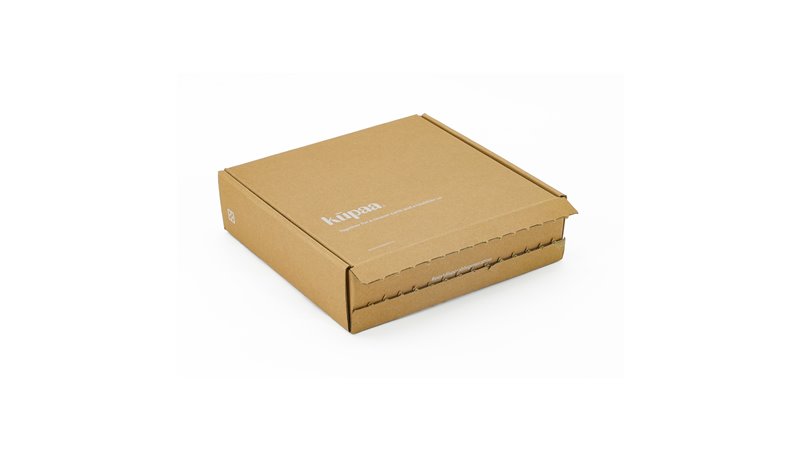
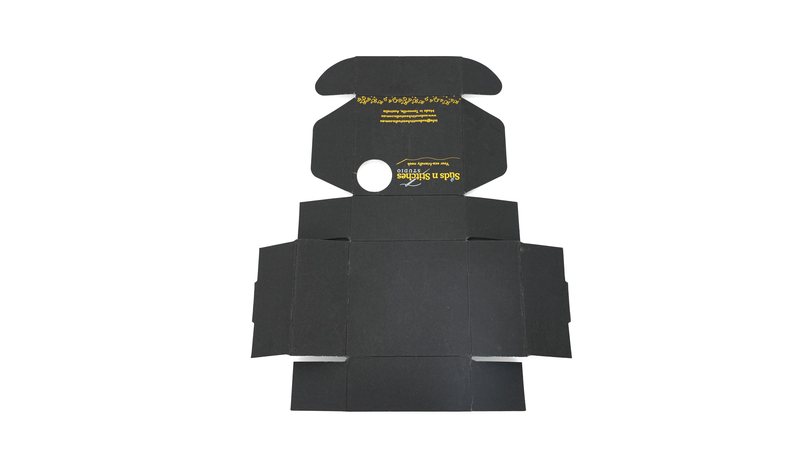
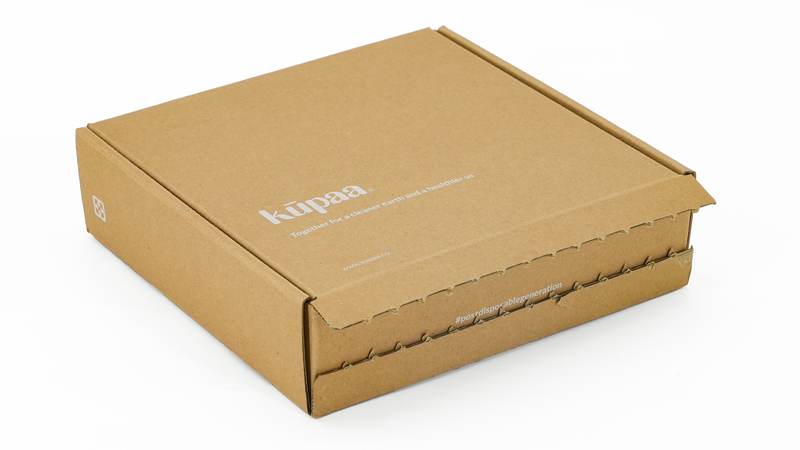
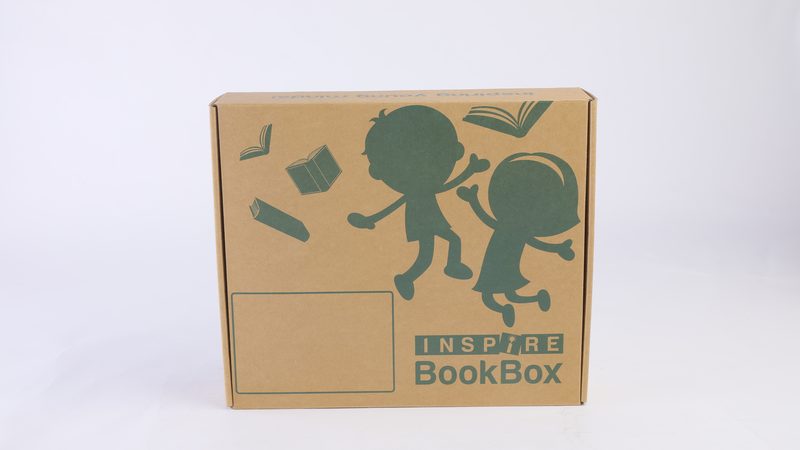
Kraft mailer box photographed from Colin packaging materials
When parcel protection is the main job, a corrugated mailer is usually the more appropriate outer layer.

How to choose a chipboard box

Start with the product’s job, not a favorite material. Chipboard packaging is a strong candidate for stable, lightweight retail goods with controlled storage and a separate shipping solution. Consider a more premium solid board or wrapped rigid structure when surface whiteness, color fidelity, or luxury handling matters. Move to corrugated board when the box must carry impact, pallet, or parcel risk.

Use casePractical direction
Cosmetics, stationery, dry retail goodsFolding carton or wrapped chipboard box; confirm insert and scuff resistance.
Food or beverageUse as secondary or dry-food packaging only after confirming the required food-contact and barrier specification.
Gift and premium presentationRigid chipboard core plus printed wrap, with finish choices tested on a sample.
Fragile ecommerce shipmentUse chipboard inside the system if helpful, but specify a corrugated outer shipper and cushioning.
Humid, greasy, or wet environmentReview barrier/coating and end-of-life trade-offs before choosing the board.

For related structures, compare our custom packaging products, see the folding carton packaging guide, and review household and office packaging applications. The right material is usually a small system decision, not a single-sheet decision.

Three mistakes that make a good board perform badly

  • Choosing from a photo: a photo cannot show score cracking, stiffness, rub resistance, or the way a filled box closes.
  • Making the retail carton do the shipper’s job: define the outer carton and cushioning instead of hoping a flat-board box will absorb impacts.
  • Approving the blank before the finish: coatings, wraps, foil, windows, and heavy ink coverage can affect appearance and end-of-life handling.

Is chipboard packaging sustainable?

Many chipboard grades use recovered paper fiber, which can reduce demand for virgin fiber. But “recycled,” “recyclable,” “biodegradable,” and “FSC-certified” are not synonyms. Confirm the exact recycled-content percentage, board source, certification scope, coating, adhesive, window, foil, and local collection rules for the finished pack.

The US EPA notes that local programs can have different paper and cardboard acceptance rules, especially when packaging is contaminated. Keep sustainability language scoped to the actual grade and finish. A simple uncoated box may have a different recovery route from a laminated, windowed, food-soiled carton.

🔬 Laboratory packaging 🧩 Multi-part structure 🚚 Transit lesson

Real project lesson: a neat inner box is not a shipping system

In this anonymized laboratory microscope-slide storage project, the customer needed more than one simple carton: the final pack involved a lid-and-base format, drawer-style components, and multiple dividers for different slide-storage needs. The case is useful because it shows what happens when structure, sample approval, pallet planning, and transit protection are treated as separate decisions.

4 formats The customer requested several box configurations rather than one standard layout.
5 dividers The brief included a microscope-slide box with five internal separators.
19 kg / carton A later shipment showed why outer-carton strength had to be reviewed separately.

What happened during development

  1. April 26: the project began with an Alibaba inquiry. The early brief covered microscope slides, pallet quantity, quotation, and email-based technical communication.
  2. First quote: the initial pallet-based estimate created a mismatch. The customer clarified that the pack needed a specific storage layout with multiple inserts—not simply a quantity that could fit on a pallet.
  3. April 30 to May 6: box types, sizes, and print requirements changed several times. The final technical brief was organized point by point before further sampling.
  4. May 28 to June 25: samples were sent, received on June 3, then followed by video review, repeated dieline adjustments, and final die-cut sample confirmation on June 20–21 before the PI was paid.
⚠️ The transit reality check

The structure could look correct in sampling and still fail in distribution. In a later shipment, each outer carton was about 19 kg; a pallet measured roughly 190 × 130 × 166 cm and held 28 cartons. The shipment arrived loose enough that multiple outer cartons and inner boxes were damaged. The next order used a stronger outer-carton solution.

What this teaches buyers about chipboard packaging

  • Confirm the filled structure, not only the flat dieline. Inserts, lid fit, drawer movement, and divider spacing change how a box performs.
  • Calculate pallet quantity from the real packed box. A pallet count is a logistics output, not a shortcut for defining the packaging structure.
  • Use video or physical samples for complex packs. This project needed repeated sample and dieline confirmation before production could move safely.
  • Let the retail box do its own job. A paperboard presentation pack may need a separate corrugated outer shipper when carton weight, stacking, and transit risk increase.

Scope note: This internal project record supports the structural, sampling, and transit lessons above. It does not confirm a universal chipboard grade or thickness, so material specification should still be validated for the individual product and route.
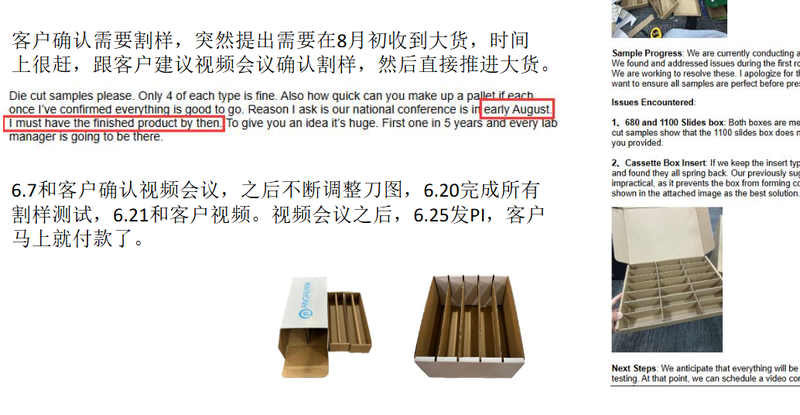
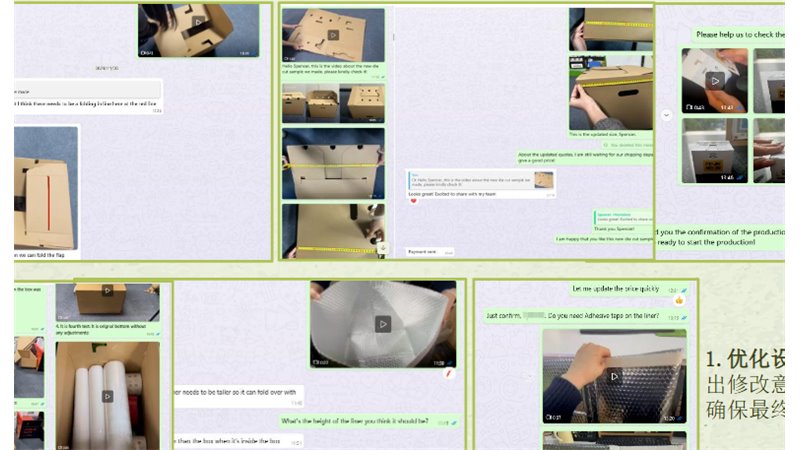
Laboratory slide-storage box dieline samples and internal divider review from an anonymized project record
Project record: repeated dieline samples and video review clarified the divider layout before production.

FAQs

Is chipboard the same as cardboard?

Not exactly. Cardboard is an informal term for several paper-based materials. Packaging chipboard is a specific solid paperboard grade; corrugated cardboard has a fluted middle layer for shipping performance.

Can chipboard boxes be used for shipping?

They can be part of a shipping system, but they usually do not replace corrugated cushioning and stacking performance for heavy or fragile parcel shipments.

What thickness of chipboard should I choose?

Choose from the filled product, box footprint, structure, closure, stacking, finish, and handling conditions. Request a physical sample instead of choosing from a caliper number alone.

Is chipboard packaging recyclable?

Uncoated paperboard may be accepted where paperboard is collected, but the actual result depends on coatings, foil, windows, adhesives, contamination, and local program rules.

Can chipboard touch food?

Do not assume it can. Food-contact use requires the relevant material and barrier specification to be confirmed for the product, market, and intended contact conditions.

What I check on a chipboard sample

  • Fit and closure: product, insert, and lid close without forcing the scores.
  • Fold quality: inspect cracking, exposed fiber, and weak corners after repeated opening.
  • Stiffness: handle the filled pack at the expected orientation; do not judge an empty carton only.
  • Surface: compare print color, scuffing, rub resistance, and wrap alignment under normal handling.
  • Distribution plan: test the retail box with its intended outer shipper, not in isolation.

This sample-first step is where the cost decision becomes clearer. A slightly lower board cost can disappear if it creates scuffs, extra inserts, slow packing, or a second redesign. For a parcel route, align the test plan with the product and distribution method; the International Safe Transit Association provides recognized transit-test resources. The Intelligent Factory workflow is designed to connect structure review, sampling, production, inspection, and delivery coordination around one brief.

The chipboard packaging decision

Chipboard is an affordable, rigid, paper-based option for many retail-facing packs. It should not be confused with corrugated cardboard or wood particleboard. Choose it when structure, print surface, and presentation matter more than stand-alone transit protection; then validate the actual grade, finish, and shipping system on a sample.

How to Calculate the Right Packaging Dimensions for Your Product

Right-size packaging means using the smallest package that still protects the product, closes reliably, and works through the intended shipping channel. To calculate it, start with the fully packed product—not the bare item—then add only the clearance your protection system and packing process actually need.

That sounds obvious, but it is where many box briefs go sideways. A product can fit on paper and still fail once its sleeve, insert, manual, wrap, or closure is involved. This guide turns product measurements into usable packaging dimensions, then shows when custom box dimensions genuinely earn their place.

Quick answer: calculate the packed product first

  • Measure the shipping-ready product: include retail pack, accessories, wrapping, and the planned orientation.
  • Set internal dimensions from the protection plan: add space for inserts, cushioning, packing tolerance, and closure.
  • Use external dimensions for freight decisions: board thickness and outer features affect warehouse, pallet, and carrier measurements.
  • Test before bulk ordering: the right size is proven by a packed sample, not a spreadsheet alone.

Start with a right-size packaging audit, not a bare-product measurement

White carton insert structure photographed in Colin packaging materials
A real product photograph: the finished pack includes its inner structure, not just the item being shipped.

If you need the basic L × W × H convention, start with our box dimensions guide. This article answers the next, more operational question: which packed order should go into which box, with how much protection, and at what freight and packing cost?

Run the audit on the shipping-ready unit, then record these five fields before asking for a quotation:

Audit fieldWhat to recordWhy it matters
Packed unitRetail pack, accessories, wrap, and maximum pointsPrevents a box that fits only the bare product
Protection systemInsert, divider, paper, bubble, or foam and its thicknessSets the real usable cavity
Loading orientationFlat, upright, nested, or stackedChanges the opening, footprint, and pack speed
Outer constraintCarrier, shelf, pallet, or master-carton limitKeeps logistics requirements visible
SKU frequencyHigh-volume, fragile, and awkward ordersShows where a custom size can pay back

In short: internal dimensions control fit; external dimensions are what the warehouse and carrier see. They are related, but they are not interchangeable. Board thickness, folds, lids, handles, and protective components all create a gap between them.

Turn the packout into a usable size brief

Choose three representative orders: a high-volume order, the most fragile order, and the most awkward order. Pack each one the way a normal operator would, rather than the way a patient engineer would on a perfect day. That is the honest starting point for right-size packaging.

  1. Pick, protect, and close. Include every accessory, wrap, and closure component.
  2. Record the maximum packed envelope. Include pumps, handles, lid overhangs, and corners that stand proud.
  3. Note the orientation and unit. “12 × 8 × 6” without mm or inches—and without a sketch—is an invitation to rework.
  4. Capture pack time and friction. A box that fits but needs forcing, re-opening, or extra tape is not truly right-sized.

For irregular products, use the minimum bounding-box method: imagine the smallest rectangular space that contains the packed item at its widest points, then compare a few orientations. The smallest theoretical footprint is not automatically the best choice if it stresses a closure or slows the line.

Use volume as a screening signal, not a safety promise

For a simple single-item pack, turn the audit into this working model:

Internal length = packed-product length + left/right protection and handling allowance
Internal width = packed-product width + side protection and handling allowance
Internal height = packed-product height + top/bottom protection and closure allowance

The phrase “handling allowance” matters. Packaging has to be assembled by real people, with normal material variation. A box that can only close when every item is placed perfectly is not a robust packaging system.

A quick void-space check

For comparable orders, estimate empty-room share as 1 − (packed-unit volume ÷ usable internal-box volume). It is a useful way to spot a carton family with obviously too much air, not a universal target. A fragile product may need more protective volume; a soft item may tolerate less.

Use the result to compare packouts, then test the better option. The output is a proposed internal size, not a promise that every material and structure will create the same external size. A corrugated mailer, folding carton, and rigid box can all produce different outside dimensions from a similar usable cavity.

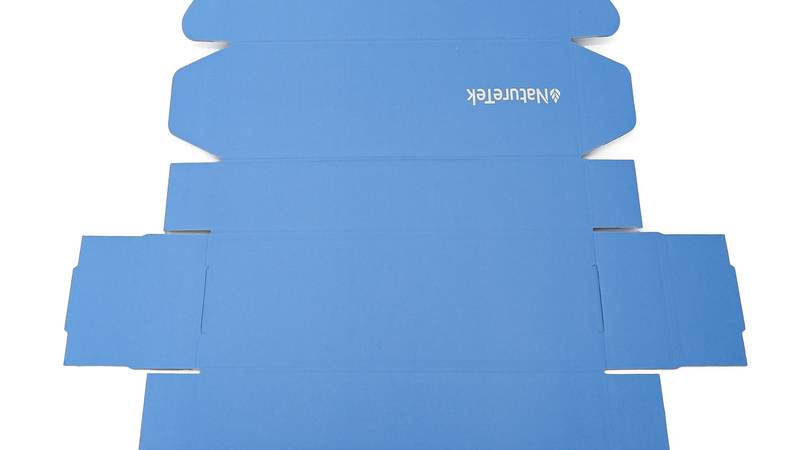
Blue flat carton dieline photographed in Colin packaging materials
The approved dimensions also need to translate into a clear, repeatable flat carton layout.

How much extra space should you leave?

There is no universal clearance number. Low-fragility, flexible products may need very little extra room when movement is controlled. Fragile products need a protection system that absorbs handling risk without letting the item wander around. More empty space is not automatically safer; loose void fill can compress or shift in transit.

  • For fitted inserts: design around the product and insert as one unit. Slot geometry, insert thickness, and removal access all matter.
  • For bubble, paper, or loose cushioning: plan the cushion on every exposed side, then check how it behaves after the pack is closed and handled.
  • For multi-item packs: measure the assembled set, including dividers and the worst-case arrangement—not each SKU in isolation.
  • For soft or irregular products: use their natural maximum dimensions; do not depend on compression that a different packer may not reproduce.

Boxes and mailers do not size the same way

Corrugated boxes are usually the easier route for rigid, fragile, heavy, or multi-item shipments because their cavity and protective components can be controlled. A flexible mailer can be efficient for apparel or low-fragility goods, but its flat dimensions do not equal its usable internal space once product thickness is added. When a mailer becomes too tight, closure strain, compression, seal failure, and slow packing follow. It is a small problem until it repeats thousands of times.

How right-size packaging affects cost and shipping

Right-size packaging can reduce board, void fill, storage volume, and packing time. It can also improve the product experience: nobody enjoys opening a giant carton to find a tiny item rattling around inside. But do not sell the project internally on carton price alone. Look at the total cost per packed order: packaging, labor, filler, warehouse space, shipping exposure, and damage or return risk.

For parcel shipping, external size is especially important because carriers can price by dimensional weight when a package is large relative to its actual weight. UPS explains its dimensional-weight calculation as L × W × H divided by a rate-specific divisor, and notes that the applicable divisor can vary. Treat any carrier formula as current-route guidance, not a permanent universal number.

REAL FIT REVIEW · ANONYMISED INTERNAL CASE

Two carton heights. One foam-box decision.

The job was not simply “find a box.” It was to protect two product-carton heights, check an existing foam size, and decide whether a custom mold was justified.

2product-carton heights
0.44 infit adjustment discussed
RMB 20k–30kestimated custom-mold range
Product cartons
8 × 6 × 4 in
short version
8 × 6 × 7 in
tall version
Foam-box options reviewed
7.56 × 5.55 × 3.58 in
short version
7.56 × 5.55 × 6.57 in
tall version
Custom mold
Use it when the required protection structure cannot work with an existing size.
Existing size
Compare it first. A small, acceptable size compromise may avoid tooling and simplify production.

What this teaches: the product carton does not set the final packing size by itself. Quote the product dimensions, clearance, protection method, quantity, destination, and handling requirement together—then test the actual pack.

Internal sales-case summary; customer details omitted. Dimensions and the mold range are case-specific reference points, not a universal size rule or price offer.

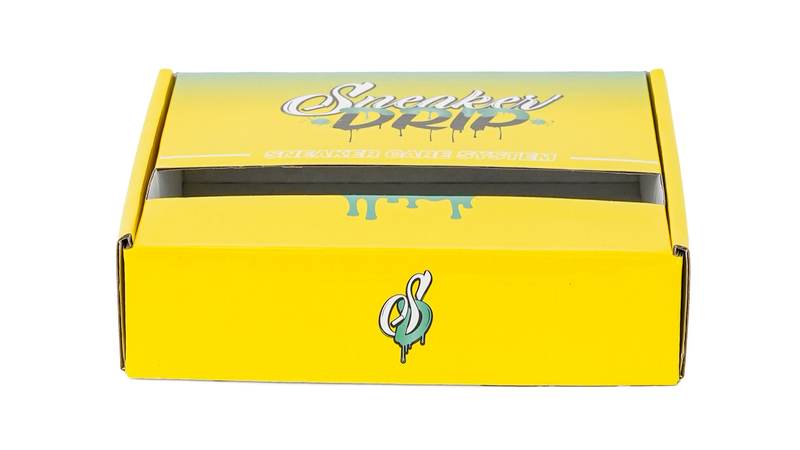
Yellow corrugated mailer box photographed in Colin packaging materials
Structure and closure affect the usable packing space; the outer box number is only one part of the decision.

Standard sizes or custom box dimensions?

Stock sizes are sensible when volumes are low, the product line changes often, or several SKUs can share a practical box family. A custom size deserves a closer look when one or two oversized boxes are used repeatedly, dimensional-weight exposure is material, damage is linked to poor fit, or a consistent branded presentation needs an insert and clean reveal.

Choose standard sizes when…Consider custom dimensions when…
Volume is low or product sizes change frequently.Order volume and packed-product dimensions are stable.
One size family can protect several SKUs.Consistent empty space, filler use, or damage signals a fit problem.
Fast availability matters more than presentation.Structure, inserts, branding, or freight efficiency require tighter control.

For multiple SKUs, do not jump straight to a unique carton for every product. Start by grouping orders by packed dimensions and protection needs, then build a small approved size family. This is often the sweet spot: less wasted space without creating a warehouse full of one-off cartons.

For structure options, compare relevant custom packaging products with the shipping and retail channel. A household and office packaging brief, for example, may need product protection, clear retail information, and repeatable packing at the same time. For the basic dimension convention itself, see our related box dimensions guide.

Validate your packaging dimensions before production

  • Confirm product, packed-product, internal, and external dimensions are separately labeled.
  • Include all protection, inserts, accessories, and closure components in the sample.
  • Check fit, product movement, opening force, and closure pressure after assembly.
  • Review storage, master-carton, pallet, and carrier implications using the finished outer size.
  • Document orientation and a simple packing instruction so the result is repeatable.
  • Approve bulk production only after the intended sample has passed the relevant handling review.

When transit risk is meaningful, a sample needs more than a desk check. The International Safe Transit Association provides test-procedure resources for packaged products; choose the relevant test plan with your logistics and quality requirements rather than treating one generic drop test as proof for every route.

FAQs

How do you calculate packaging dimensions?

Measure the fully prepared product, then add the space required for inserts, cushioning, normal packing variation, and closure. That gives the target internal dimensions; then confirm the resulting external dimensions for storage and shipping.

Are box dimensions measured internally or externally?

Both may be needed. Internal dimensions control product fit and insert design. External dimensions are used for carrier, warehouse, master-carton, and pallet planning. Always label which one you are providing.

How much empty space should be inside a box?

Only enough for the chosen protection system, safe assembly, and closure. The correct allowance depends on fragility, weight, orientation, cushioning, insert design, and transport conditions, so there is no universal number.

When are custom box dimensions worth it?

Custom dimensions are most useful when stable-volume orders repeatedly use oversized stock cartons, pay meaningful dimensional-weight costs, require controlled inserts, or suffer damage from poor fit. Test samples first.

What should I send for a custom packaging quote?

Send product and packed-product dimensions, weight, a photo or sketch, required protection, preferred structure, quantity, artwork status, destination, and deadline. Include any sample, insert, or master-carton requirements that affect the finished pack.

The right packaging size is a tested decision

Good packaging dimensions begin with the true packed product, use internal dimensions for fit and external dimensions for logistics, and add only the protection the product and route require. That is right-size packaging in practice: not “make it tiny,” but “make it work without carrying unnecessary air.”

Need a packaging-dimension review?

Forests Packaging Group can review product size, packing orientation, protection method, structure, quantity, material, sample requirements, and export route as one working brief. The goal is a package that fits the product and the operation—not just a neat number on a drawing.

Send your product dimensions and weight, a packed sample photo or sketch, quantity, target market, material preference, and deadline. Our Intelligent Factory workflow connects the early brief to structure review, sampling, production, inspection, and delivery coordination. Request a project-specific packaging review.

How this guide was prepared
Prepared by Forests Packaging Group · Updated August 4, 2026. This guide combines packaging-design considerations, an anonymized internal fit review, and linked carrier and transit-testing resources. Material, carrier, and compliance requirements should be confirmed for the specific project and destination.

Types of Food Packaging: Categories, Materials, and How to Choose

There are many types of food packaging, but the right choice is rarely found by starting with a catalogue. Start with the food: what it contains, how it is filled, where it travels, how long it must last, and how people will open it. The package comes second.

This guide separates food packaging categories, formats, and materials, then turns them into a practical selection process. It is designed for the moment when “we need food-safe packaging” is true—but nowhere near specific enough.

Food packaging categories: three levels and three structures

First, separate the job a package performs from the material it is made from. That small distinction prevents a lot of confused briefs.

  • Primary packaging directly contains or contacts the food: a pouch, tray, wrapper, jar, cup, or inner bag.
  • Secondary packaging groups or presents the primary pack: a folding carton, sleeve, multipack, or retail display.
  • Tertiary packaging protects packed goods during storage and transport: corrugated cases, dividers, pallets, and stretch wrap.

Then consider structure. Flexible packaging is light and efficient but depends heavily on film structure and seal quality. Semi-rigid trays and tubs balance visibility with stackability. Rigid cartons, jars, and cans offer shape and protection, but may add weight, space, or breakage risk. A cereal carton, for example, is not automatically the primary barrier; its inner liner may be doing that work.

Custom Printed Food Packaging Box Case Study

Common types of food packaging by format

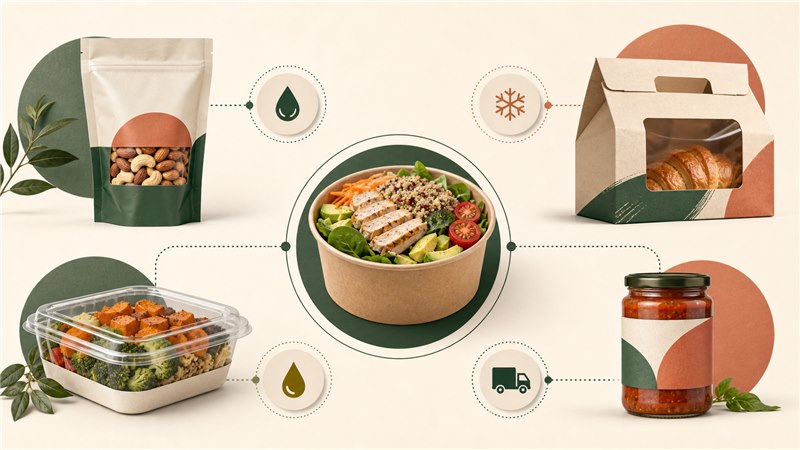
Bags and pouches suit snacks, powders, coffee, frozen food, dry ingredients, and refills. They can incorporate zippers, tear notches, windows, or valves, but the real decision is whether the seal, puncture resistance, and barrier match the food and filling process.

Boxes and folding cartons are useful for bakery, confectionery, tea, cereals, giftable foods, and products that already have an inner wrap or bag. They bring print area and shelf structure. Paperboard alone, however, is not a universal answer for oil, moisture, or extended shelf life.

Trays, clamshells, cups, tubs, and bowls work well for produce, ready meals, desserts, dairy, soups, and takeaway. Review lid fit, venting, leakage, reheating, condensation, and stacking together. A clear lid can help merchandising; it can also show every foggy drop of condensation.

Bottles, jars, and cans are common for beverages, sauces, condiments, and preserved foods. Glass gives strong barrier performance and visibility but adds weight and breakage risk. Metal can protect against light and oxygen for long shelf-life products, while demanding a different filling and closure plan.

Wrappers and films are common for bakery, confectionery, fresh produce, and single portions. Here, the questions are usually oxygen, moisture, grease, aroma, tear behaviour, and whether the chosen machinery can make a reliable seal.

Food packaging materials: what each one does well

Paper and paperboard are lightweight, printable, and excellent for cartons, sleeves, bags, and outer presentation. Their limitation is straightforward: untreated paper is not automatically a moisture, grease, or oxygen barrier. Coatings, liners, inks, and adhesives must be assessed as part of the final structure.

Plastic films and rigid plastics can provide low weight, sealing performance, clarity, and moisture resistance. Multi-layer structures may solve technical problems, but recovery can be more complex. Do not call a structure recyclable merely because one layer is.

Glass gives a strong barrier and premium shelf presence. Metal supports long shelf life and light protection. Molded fibre can provide a rigid, fibre-based form for some uses, but moisture tolerance and surface finish need checking. Compostable or cellulose-based alternatives still need a route for collection and processing; “compostable somewhere” is not a disposal plan.

Start with the food, not the package

A useful food packaging selection brief answers six questions before anyone picks a pouch finish or carton colour:

  1. Is the food dry, moist, oily, acidic, aromatic, fragile, or perishable?
  2. Will it be hot-filled, chilled, frozen, held at ambient temperature, or reheated in the pack?
  3. What shelf-life target and sales channel are planned?
  4. How will it be filled, sealed, packed into cases, and transported?
  5. Does the consumer need resealing, portion control, venting, tamper evidence, or easy opening?
  6. Which market-specific food-contact and labelling requirements must be confirmed?
🍎

Real packaging case

Fresh produce: the box was only half the solution

In this fresh-produce project, the brief was not simply “make a fruit box.” The customer needed a reusable fruit box that could hold around 50 lb, plus an insulated bag for temperature-sensitive delivery. Strength, reuse, and temperature management had to work together.

50 lbtarget load capacity
200–500initial quantity discussed
3D + samplestructure checked before production
RMB 390kproject value recorded internally
What this teaches for food packaging selection
  • For fresh food, choose the transport system—not just the primary pack.
  • Define load, reuse cycle, temperature needs, and delivery route before selecting a structure.
  • Use a 3D model and physical sample to check folding, fit, handling, and insulation integration early.

Project timeline: November 27, 2024–January 14, 2025. This case supports a selection workflow; it does not by itself establish a specific food-contact or temperature-performance certification.

Reusable 50 lb fresh produce box and insulated bag sample checks
Sample checks for a reusable fruit box and insulated delivery bag.

For US-bound work, food-contact suitability should be confirmed for the exact intended use, rather than assumed from a general material name. The FDA explains that packaging components such as adhesives, colourants, and grease-resistant treatments can be food-contact substances, and that intended use matters. Its tables also distinguish food types and conditions such as hot fill, refrigeration, freezing, and reheating. See the FDA food-contact overview and its food types and conditions of use.

A quick selection matrix by application

Food applicationFirst prioritiesCommon starting formats
Bakery and confectioneryGrease resistance, presentation, crush protectionCartons, window boxes, wrappers, pouches
Hot takeawayHeat tolerance, venting, leakage, handlingTrays, bowls, clamshells, paper bags
Frozen foodLow-temperature durability, seal integrity, moisture controlBarrier bags, pouches, cartons with inner packs
Snacks and dry goodsMoisture barrier, resealing, shelf impactStand-up pouches, flat bags, cartons
Sauces and beveragesClosure security, compatibility, transport durabilityBottles, jars, pouches, tubs

Use this as a starting point, not a specification. Two snack products can need very different packaging if one is salty and dry while the other contains oils, inclusions, or a long export journey.

When custom food packaging is worth it

Custom food packaging makes sense when it improves product fit, reduces leakage or damage, solves a filling-line problem, creates a better serving experience, or gives the product a genuine shelf advantage. It is less compelling when a stock format already protects the food and a label, sleeve, or stamp supplies enough branding.

Common customization choices include dimensions, gussets, windows, barrier structures, coatings, closures, tamper-evident features, print coverage, and inserts. The trick is to customize the one or two variables that change the outcome. Adding every possible feature is a good way to turn a simple pack into a complicated purchasing project.

For flexible formats, explore our custom food packaging bags. For broader format and channel planning, see our Food & Beverage Packaging application page.

Cost drivers and questions to settle early

Food packaging cost is shaped by more than the visible material. Dimensions, pack volume, barrier layers, board grade, print coverage, tooling, assembly, closure features, case packing, and freight all matter. A smaller pack can use less material, for example, but it may require a different filling set-up or create a less efficient case pack. There is no useful “cheapest” answer without the operating context.

Ask the supplier for the minimum order quantity, sample route, artwork requirements, production timing, proposed case pack, and which documents can be reviewed for the intended market. If a pack is direct food contact, include the food type, fill temperature, storage condition, and shelf-life target in the quotation request. These details are not admin clutter; they are the inputs that determine whether the proposed package can be made and used as intended.

Test the finished system, not an empty package

The most useful packaging test is rarely a glamour shot of an empty box. Fill the pack with the real product. Check seal integrity, leakage, grease migration, condensation, crushing, label adhesion, opening, and how it behaves after storage and transport. Then repeat the test after the temperature and handling conditions the pack is expected to face.

A practical factory workflow connects material and structure review to artwork, samples, production, inspection, case packing, and export handover. That is the purpose of our Intelligent Factory process: keep the approved sample and production brief connected rather than treating them as separate projects.

Custom Packaging Cost Food Display Box

Sustainability: examine the complete specification

Material source matters, but it is only one part of the picture. Review total material use, pack size, recycled or certified content where applicable, mono-material versus composite construction, coatings, inks, adhesives, and local end-of-life options. A paper-based pack may still use a barrier treatment that changes recycling outcomes. A compostable pack may still lack an accessible collection route.

For paper and paperboard food packaging, also confirm the treatment used for grease and moisture resistance in the intended market. FDA information on PFAS food-contact applications notes that intended use and final manufacture affect potential migration; it is a reminder to request current, project-specific documentation rather than relying on an old material claim. Read the FDA guidance on PFAS in food-contact applications.

Food packaging supplier checklist

  • Share the food type, fill weight, dimensions, filling method, shelf-life target, storage condition, and sales market.
  • Request the proposed structure, technical specification, and applicable food-contact documentation for the intended use.
  • Confirm the sealing method, print artwork, sample route, quantity, case pack, and delivery destination.
  • Run a controlled pilot before full production—especially where temperature, grease, leakage, or machine settings are involved.

FAQ

What are the main types of food packaging?

Common formats include bags, pouches, cartons, trays, clamshells, cups, tubs, bottles, jars, cans, wrappers, and films. They can serve primary, secondary, or tertiary packaging roles.

How do I choose food packaging materials?

Start with moisture, grease, oxygen, temperature, shelf life, sealing, transport, customer use, and target-market requirements. Then compare structures against the confirmed product brief.

Is paper packaging always suitable for food?

No. Paper and paperboard can be excellent for cartons, bags, and sleeves, but moisture, grease, oxygen, and food-contact needs may require a specific treatment or an additional primary pack.

When should I use custom food packaging?

Use custom packaging when stock formats cannot provide the required fit, protection, filling performance, serving experience, or shelf presentation. Test a sample before approving the full run.

What should I send a food packaging supplier?

Send the food type, pack size, fill method, storage condition, shelf-life target, artwork, quantity, delivery market, required documents, and deadline.

Choose a format that earns its place

The best types of food packaging are the ones that protect the food, work on the line, survive the supply chain, and make sense for the customer. Format and material should follow the product brief—not the other way around. A well-tested simple pack often beats a clever package that has not met the real food, real temperature, or real transport route.

Plan your custom food packaging brief

Forests helps food and beverage buyers review format, dimensions, material structure, barrier needs, print, sampling, inspection, and export-ready packing around the actual product and market. Send your food type, fill weight, shelf-life target, filling method, artwork, quantity, destination, and required documents. We will help identify the details to confirm before quotation and sampling.

Read our guide to choosing a packaging supplier, then request a food packaging review.

How to Source Sustainable Paper Packaging

Paper can look sustainable long before it actually is. A brown surface, a leaf icon, or the word “recyclable” tells a buyer very little about fiber source, coatings, strength, or what happens after use. Sustainable paper sourcing means checking the whole specification—not just choosing a paper-like material.

This guide explains how to compare recycled paper packaging and FSC paper packaging, verify supplier evidence, and choose a specification that protects the product without making vague environmental promises.

What makes paper packaging sustainable?

There is no single “best” paper. A practical eco friendly paper choice balances five things: fiber source, conversion and printing, material efficiency, product protection, and a realistic end-of-life route. If a box is light but lets products arrive damaged, the material story is incomplete. If a pack has high recycled content but a complex film laminate, its disposal claim may also need a second look.

  • Fiber source: post-consumer recycled fiber, other recovered fiber, or responsibly sourced virgin fiber.
  • Conversion: coatings, inks, adhesives, bleaching, and finishing can change the final material system.
  • Efficiency: right-sizing and avoiding unnecessary layers often matter as much as the paper grade.
  • End of life: collection and recycling acceptance differ by market; do not assume a paper surface guarantees curbside recyclability.
Kraft corrugated mailer box showing a lightweight paper-based shipping structure
Real packaging sample: material efficiency also means using a structure that protects the product without unnecessary layers.

Recycled paper packaging: what to verify

Recycled paper packaging is made with recovered fiber. Post-consumer recycled content comes from material that has completed a consumer use cycle; pre-consumer content comes from manufacturing recovery. Both can be relevant, but they are not the same claim. Ask for the percentage, the basis of calculation, and a written product declaration rather than accepting “contains recycled material” as a complete answer.

More recycled content is often a sensible direction where the pack can still do its job. But fiber length, surface consistency, color variation, stiffness, tear resistance, print coverage, and availability can change by grade. There is no prize for choosing the highest percentage if it causes scuffing, weak corners, failed print, or extra layers to compensate later. Samples are cheaper than a heroic explanation after launch.

FSC paper packaging is about traceable fiber

FSC paper packaging addresses a different question from recycled content: whether forest-based material is sourced through an FSC-certified supply chain. Common label categories include FSC 100%, FSC Recycled, and FSC Mix. Their meaning, the applicable product scope, and permitted logo use should be verified through the FSC certificate database and supplier documentation.

FSC status does not automatically mean high recycled content, low transport impact, or universal recyclability. It is valuable evidence about forest sourcing and chain of custody, not a shortcut for every environmental claim. Treat it as one column in the sourcing decision, not the whole spreadsheet.

Recycled vs. FSC paper: make the trade-off visible

PriorityOften stronger starting pointWhat to test or verify
Fiber circularityHigher post-consumer recycled contentPercentage, strength, appearance, availability
Forest traceabilityFSC-certified fiberCertificate, product scope, chain of custody
Demanding performanceFSC-certified virgin or blended fiberCompression, tear, moisture, print requirements
Balanced specificationRecycled content plus verified certified fiber where neededWhole pack, not the paper sheet alone
Use a specification that meets the product requirement first, then improve the fiber and conversion choices with evidence.

Choose recycled grades when the application has moderate performance demands and a little surface variation is acceptable. Choose certified virgin fiber when long-fiber strength, moisture exposure, food-contact requirements, or demanding folding performance limit recycled options. In many real projects, a combined specification is more credible than an all-or-nothing claim.

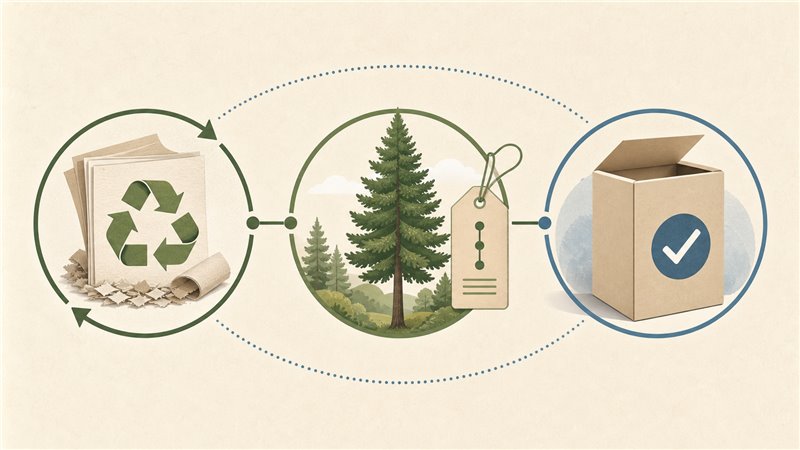
Diagram showing recycled fiber, responsible forest traceability, and packaging performance as linked sourcing factors
Original sourcing diagram: recycled fiber, traceability, and performance are connected decisions—not interchangeable labels.

A sourcing hierarchy that works in the real world

Start by reducing excess material and right-sizing the pack. Next, maximize post-consumer recycled content where it passes the application test. Use other recovered fiber or verified alternative fibers where they make sense. Then use certified virgin fiber to close genuine performance gaps. Finally, review coatings, laminations, inks, and adhesives. A great paper choice can lose its simplicity if the finished pack becomes a difficult multi-material object.

Match the paper to the job

Corrugated shipping boxes need compression performance, fit, and shipping protection; recycled liner and medium may be appropriate, but test the actual load and journey. Folding cartons need a balance of print surface, crease behavior, stiffness, and shelf presentation. Paper mailers and retail bags need tear resistance, handle performance, and tolerance for moisture exposure. Tissue, void fill, and inserts can offer high recycled-content opportunities because their strength demands are often lower.

Food and moisture-sensitive applications need extra care. Barrier layers, inks, adhesives, and regulations can change the appropriate material route. Confirm the product-specific compliance and end-of-life claim with the relevant supplier and target-market requirements; “paper based” is not a universal approval.

📦

Case snapshot

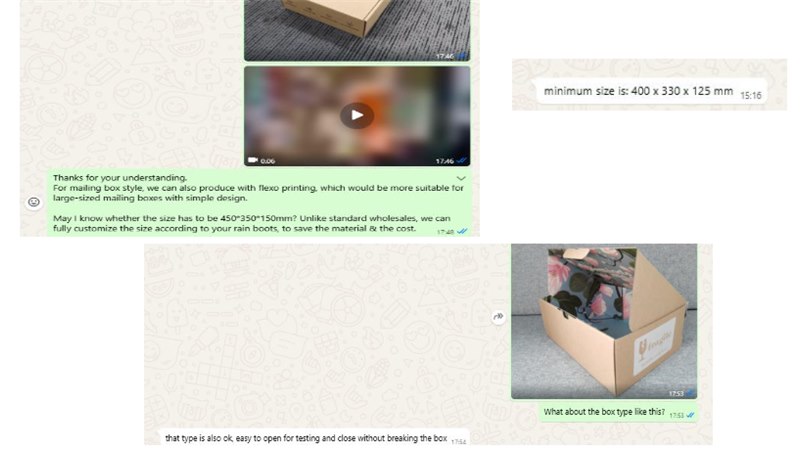
Rain boot boxes: test the fit before buying more box

A rain-boot brand came in with a familiar sourcing problem: a custom mailer box looked good on paper, but the price felt high beside a standard FEFCO 0201 shipping box. Instead of treating the quotation as the whole answer, the project went back to the real job—what the box had to hold, how it would close, and whether a standard size could do the work.

📐
450 × 350 × 150 mm Original custom-box brief
⚖️
~2 kg Rain boots packed per box
🎨
200 pcs One-colour, three-side print request
📏
400 × 330 × 125 mm Minimum size explored for the fit

❌ The easy comparison

Compare a 200-piece custom printed mailer with a mass-produced stock carton, then decide only on unit price.

✓ The better sourcing check

Test the actual pack-out first. Photos and video confirmed that two pairs of boots could fit, while the box remained easy to open and close without damage.

What this teaches sustainable paper sourcing

  • Start with product load, pack count, dimensions, and handling—not a material label alone.
  • Compare a standard-size carton and a custom structure as two valid routes; custom is not automatically the smarter purchase.
  • Use a physical pack-out check before committing to printing, so sizing mistakes do not become a production run.

Scope note: this case demonstrates fit verification and sourcing discipline. It does not itself verify recycled content, FSC certification, or a specific environmental outcome.

Use a supplier scorecard, not a vague checklist

Score each candidate specification from 1 to 5 for recycled content, certification and traceability, coating complexity, expected recyclability, product performance, supplier transparency, cost consistency, and availability. Weight the factors that are non-negotiable for the product. A fragile beauty carton and a warehouse shipping carton should not get the same scorecard weighting.

  • What percentage is post-consumer recycled content?
  • Does the certificate cover this material and this converting supplier?
  • Which coatings, films, inks, and adhesives are present?
  • What physical tests match the intended use?
  • Can the supplier support the material claim in writing?
  • Can you review samples before approving full production?

What sample comparisons teach you

When comparing paper samples, do not judge them only under office lighting. Fold a carton, rub a printed panel, load a mailer, test the handle, and put the real product inside. Record stiffness, tear resistance, color variation, print behavior, and damage risk. This turns sustainability from a design preference into a procurement decision backed by something stronger than a mood board.

Printed paper shopping bag showing paper surface quality and color printing
Real paper-bag sample: source fiber is only one decision; surface quality, print coverage, and intended use must also work together.

How to verify a supplier claim before you print it

Claims should travel with documents. For recycled content, request a material declaration that states the percentage and distinguishes post-consumer from other recovered fiber. For FSC claims, request the supplier’s certificate number, confirm it in the database, and check that the certified scope matches the material and converting activity you are buying. A certificate that covers an unrelated product line is not a pass.

Then match the paperwork to the physical specification: paper grade, weight, coating, print method, adhesive, and product format. If a supplier says a mailer is recyclable, ask what happens to its peel-and-seal strip, protective coating, label, and any reinforcement. The answer does not have to be perfect. It does have to be specific enough for a buyer and marketing team to use responsibly.

Common sourcing mistakes that create avoidable waste

Mistake one: treating all paper as better by default. Paper can be an excellent option, but a heavy, overbuilt pack or a pack that fails in transit is not automatically the lower-impact choice. Start with product protection and right-sizing.

Mistake two: treating FSC and recycled content as synonyms. They answer different questions. One concerns responsible forest sourcing and chain of custody; the other concerns recovered fiber. A good specification may use one, the other, or both.

Mistake three: adding complexity to fix a problem that structure could solve. Extra laminations, coatings, and inserts can affect recovery. Before adding them, test whether a stronger paper grade, a better fold, a tighter fit, or a smaller pack solves the same risk.

Mistake four: writing the claim before the evidence arrives. Marketing copy should follow the approved material file, not lead it. Use a qualified claim where the scope is project-specific or disposal depends on local infrastructure.

A five-step conversion checklist

If you are changing an existing pack, begin with a baseline. Record its dimensions, material layers, weight, damage rate, print finish, sourcing documents, and actual shipping conditions. That baseline keeps the discussion honest: a new paper specification should improve a defined part of the system, not merely look more natural in a presentation.

  1. Define the minimum performance requirement: protection, moisture exposure, shelf life, print, or handling.
  2. Request two or three paper specifications with clear fiber and conversion details.
  3. Build samples using the real artwork and product, not a generic blank.
  4. Run the handling, shipping, or retail checks that matter for the project.
  5. Approve the claim wording only after the selected specification and evidence file are final.

This process is deliberately unglamorous. That is its charm. It reduces late surprises, gives sales and marketing a shared source of truth, and makes it easier to explain why one material was selected over another.

Avoid greenwashing with specific claims

Use the fact you can prove: “contains X% post-consumer recycled fiber,” “FSC claim available for the approved material,” or “recyclability should be checked against local collection systems.” Avoid “100% sustainable,” “zero impact,” or “eco-friendly” without context. The FTC Green Guides are a useful reminder that environmental marketing claims must be clear, qualified, and supportable.

For paper and paperboard recovery context, see the EPA’s paper and paperboard materials data. It supports a simple sourcing habit: understand the material, the finished format, and the collection system before promising an outcome.

The practical conclusion

The strongest paper sustainability decision is usually the lowest-impact specification that reliably protects the product and can be documented honestly. Recycled content and FSC certification solve different sourcing questions. Combine them with efficient design, simple conversion, real sample testing, and market-specific disposal guidance—and the result is far more useful than a green-colored box.

Review your paper packaging specification

CustomPackMart can help compare paper options around product fit, structure, printing, and practical production requirements. Share your product dimensions, target market, quantity, artwork, required recycled-content or FSC claim, shipping route, and deadline. We can help you turn that information into a clear packaging specification, then review samples before you commit to full production.

Explore our custom packaging formats, see how our Intelligent Factory supports production review, or request a packaging specification review.

Frequently asked questions

Is recycled paper always more sustainable than FSC-certified paper?

Not always. Recycled fiber can reduce demand for virgin fiber, while FSC certification addresses responsible forest sourcing and traceability. Compare performance, conversion, transport, and end-of-life conditions for the specific pack.

Does FSC certification mean paper packaging is recyclable?

No. FSC relates to fiber sourcing and chain of custody. The final pack’s coatings, films, adhesives, and local collection system affect whether it can be recycled.

What recycled-content percentage should I choose?

Choose the highest practical level that still meets your print, strength, appearance, and supply requirements. Request samples instead of selecting a percentage from a specification sheet alone.

What should I ask a sustainable paper supplier?

Ask for recycled-content documentation, certificate scope, fiber information, coating and adhesive details, material specifications, relevant tests, and written support for any environmental claim.

Can paper packaging still need a barrier layer?

Yes. Moisture, grease, shelf-life, and food-contact needs may require a barrier. Review the whole construction and its end-of-life claim, rather than assuming the outer paper layer defines the result.

What Is a Dieline in Packaging?

A dieline is the flat technical map behind a box, sleeve, carton, or insert. It tells a printer where material will be cut, creased, glued, and kept clear—so your finished pack does not turn into an expensive paper puzzle.

Die line and dieline mean the same thing. This guide explains how to read one, prepare print-ready artwork, and catch the issues that are much cheaper to fix before production.

What is a dieline in packaging?

A packaging dieline is a flattened structural blueprint. It shows the panels, flaps, glue tabs, cut paths, and fold paths needed to turn a printed sheet into a three-dimensional package. Think of it as the bridge between a designer’s artwork and the converter’s production equipment.

Dieline vs. artwork

The dieline defines where the package goes. Artwork defines what the buyer sees: colours, brand marks, product information, illustrations, and barcodes. A reliable file keeps those jobs separate. Artwork can change during design review; structural lines should not be casually moved, scaled, or redrawn.

Dieline vs. cutting die

A dieline is the digital layout. A cutting die is the physical production tool made to cut, crease, or perforate material. The digital file may guide tooling, but it is not the tool itself. That distinction matters when a box needs a custom window, heavier board, a locking closure, or an insert that has to hold a product securely.

Unfolded folding carton showing panels, flaps and locking tabs
A real unfolded carton makes the structural role of a dieline easier to see: every panel, flap, cutout, and fold has a job.

Why a packaging dieline matters

A dieline controls more than a neat box shape. It determines finished dimensions, panel alignment, closure behaviour, material allowance, and the space available for print. A small change to a fold can move a front-panel logo; a shifted glue tab can hide text; a missing bleed can leave a white flash at trim.

It also turns approval into a practical process. Instead of approving a flat screen image alone, the brand team can ask: Which panel faces front? Does the barcode cross a fold? Will an opening tab cover mandatory copy? Does the finished pack still fit the product after board thickness is considered?

How to read dieline lines

Line colours and names vary by supplier and software, so the manufacturer’s key always wins. Still, most packaging dielines contain the same working language.

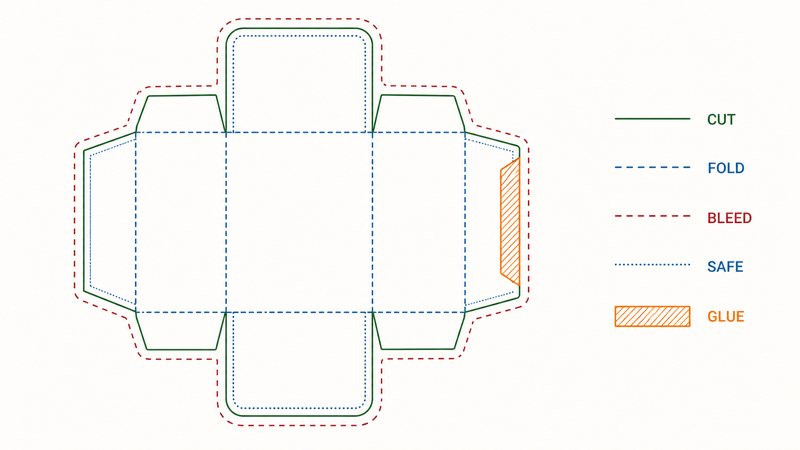
MarkerWhat it controlsArtwork rule
Cut or trim lineThe final outer shapeExtend backgrounds past it; keep critical copy inside.
Fold or crease lineWhere the board bendsAvoid placing small type or barcode bars across it.
Bleed lineExtra printed area beyond trimRun background colour and images through it.
Safe zoneProtected area for important contentKeep logos, legal copy, and key type inside.
Glue tabWhere panels bondDo not place essential graphics there unless approved.
PerforationA controlled tear or detachable sectionCheck both opening direction and copy placement.

Bleed is not decoration. It is the artwork beyond the final trim area that gives production a tolerance for movement. Adobe describes bleed as artwork outside the crop or trim area; the required amount depends on the production method, so use the printer’s stated value rather than assuming one universal number. Adobe’s print-bleed guidance is useful background, but your approved dieline is the operating instruction.

Packaging dieline diagram showing cut, fold, bleed, safe and glue areas
A simple visual key: technical lines define the structural and printable boundaries of the same package.

Five common dieline errors—and what they cause

  1. Missing bleed: a background can finish short of the trim and create an unintended white edge.
  2. Text outside the safe zone: small legal copy, a logo, or a campaign line may be cropped or sit uncomfortably close to an edge.
  3. Artwork on the wrong panel: a front design can become upside down after folding, or land beneath a flap.
  4. Edited structural paths: changing a cut, crease, or glue tab can alter fit, closure, and die-cut tooling assumptions.
  5. Flattened working files: a rasterised or uneditable file makes it harder to check lines, fonts, image quality, and last-minute corrections.

The most expensive problem is rarely “a bad-looking PDF.” It is a production-approved file that was never checked in its folded state. For retail packaging, barcode placement needs the same discipline: GS1 advises keeping symbols and quiet zones away from folds, seams, edges, flaps, and other scanning obstacles. See GS1’s barcode placement guidance before treating a flat panel as automatically scan-safe.

Who creates and approves a dieline?

For a standard carton, a packaging manufacturer commonly supplies the production-approved template. For a custom pack, a structural packaging designer develops the format around product dimensions, material, closure, insert, and handling needs. The graphic designer then places artwork on that approved structure. The brand owner’s job is to approve content, orientation, and commercial requirements—not to guess at die-cut allowances.

A clean workflow is: confirm the product and required protection; receive the current dieline; add artwork on separate layers; review the supplier proof; test a prototype or full-size mock-up; then approve the production file. If dimensions or material change, restart the structural review. An old template is not “close enough” when fit is critical.

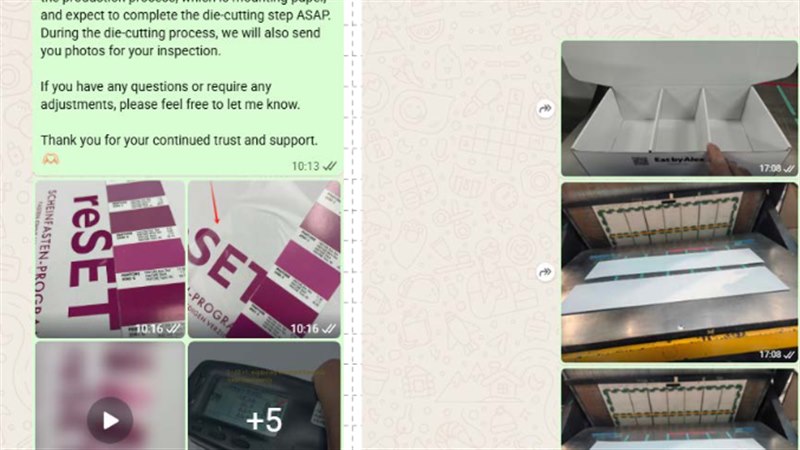
REAL CASE · ANONYMISED ✂️

Die-Cut Packaging: From Flat Artwork to a Real Production Check

This health-product packaging project involved a die-cut structure. Its useful lesson is simple: approving a flat dieline on screen is only the first step. The structure still needs to be checked as a real paperboard sample.
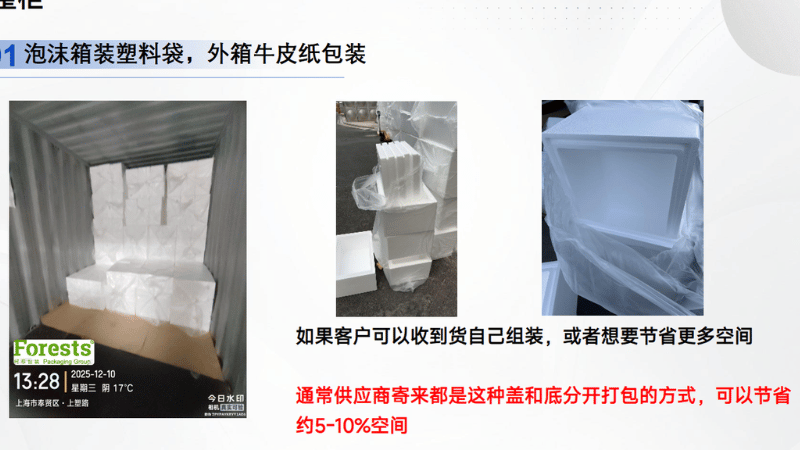
📐
Start with the dieline Confirm panels, cut paths, folds, and opening areas.
Check the white sample A plain sample makes structural issues easier to see before print distracts from them.
📷
Verify production evidence Die-cutting-stage photos help confirm what is actually being checked on the factory floor.
Screen-only approval

“The artwork looks correct.”

Production-ready approval

“The cut, fold, opening, and paperboard structure work in a real sample.”

What this case teaches:

A dieline becomes useful only when the flat file is checked against a real die-cut sample. Reviewing white paperboard samples and production-stage photos can reveal issues with cut paths, fold positions, openings, or fit while changes are still simple.
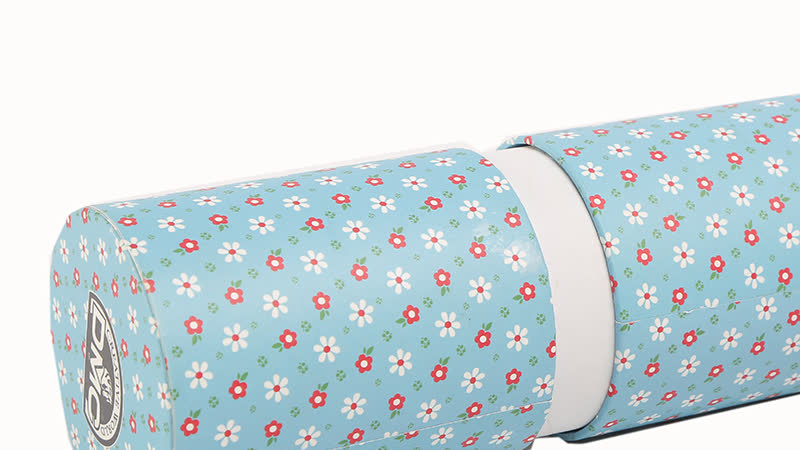
A simple approval sequence

Dieline → white sample → first die-cut check → production photos → final production approval.

Real anonymized case screenshot showing paperboard packaging samples and die-cutting production checks. Used to illustrate why a dieline should be reviewed alongside physical samples.

How to prepare artwork on a dieline

Use editable vector software such as Adobe Illustrator, or the application your supplier specifies. Keep the dieline on a locked, non-printing layer and artwork on its own layers. Use CMYK only when your printer requests it; check image resolution, font handling, spot colours, varnish or foil layers, and the required PDF or AI export settings before sending the file.

Do not delete line markers simply because they look untidy in the design. Ask which layers should be non-printing and which production marks the supplier needs. When saving a PDF, retain the required bleed settings; Adobe’s PDF options reference explains how bleed information can be included in output.

Standard template or custom dieline?

A standard template is efficient when the product fits a common box size, protection demands are modest, and no unusual window, insert, or closure is required. It is often a sensible starting point for regular folding cartons, sleeves, and simple mailers.

Use a custom dieline when product dimensions are unusual, board thickness affects fit, a product needs immobilising, or the pack includes windows, tear strips, inserts, or complex locking tabs. For example, a die-cut insert needs to be reviewed with the actual product—not only its nominal dimensions—because retention and removal must both work.

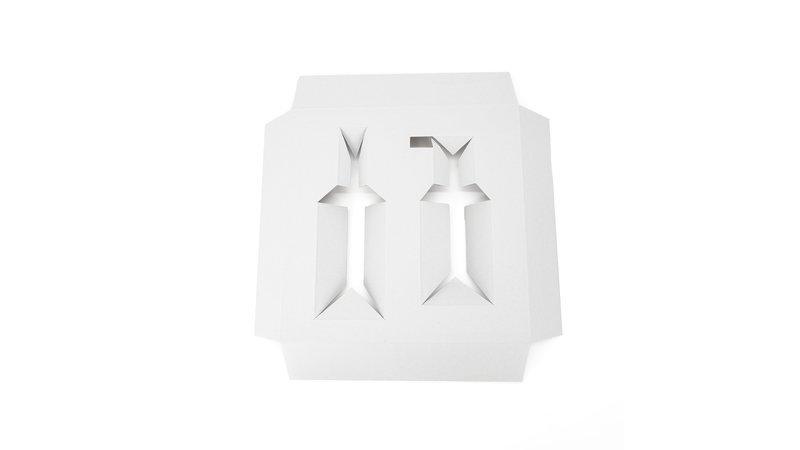
Paperboard insert with two shaped product openings
A die-cut insert adds another fit check: product position, retention, removal, and the relationship between the insert and outer carton.

Dieline examples by packaging type

Folding cartons usually show front, back, side panels, tuck flaps, dust flaps, and a glue tab. The main artwork question is orientation: a front panel may look correct when flat but become inverted or partly hidden after the carton is folded.

Corrugated mailer boxes have larger panels, locking tabs, and scored folds that need to survive repeated opening. Their dielines should be checked alongside product weight and the intended shipping journey, not only against a polished 3D rendering.

Sleeves are structurally simple but unforgiving in alignment: the seam, opening edge, and inside-versus-outside artwork must be clear. Rigid boxes may require separate layouts for wrapped board, lids, trays, and inserts rather than one single flat outline.

Labels and pouches can add seal zones, tear notches, registration marks, or product-clear areas. The principle stays the same: identify every non-printing, sealing, folding, or cutting zone before artwork is approved.

Use one approved dieline as the source of truth

A dieline is not a one-time sketch. It is a controlled production document. Keep the approved version, revision date, finished dimensions, material assumptions, and named contact together so designers, buyers, and suppliers are reviewing the same file. If the structure changes, even by a small amount, ask for an updated dieline before moving old artwork onto the new layout.

This simple discipline prevents a common handoff problem: the artwork looks approved, but it was built on an earlier version with a different glue flap, insert opening, or panel width. A clean filename and a final PDF proof are inexpensive safeguards against avoidable rework.

What I check before approving a dieline

First, I compare the finished dimensions with the physical product, including caps, cables, secondary packs, and any part that protrudes. Next, I print the dieline at 100% scale, cut it out, and fold it. This quick paper mock-up exposes upside-down panels, hidden copy, awkward opening tabs, and missing clearance surprisingly well.

Then I check the non-obvious zones: text near trims or creases, graphics crossing folds, barcodes and regulatory copy, glue areas, windows, and insert openings. Finally, I compare the artwork file with the supplier’s latest version of the dieline. The latest file matters more than a template saved six weeks ago in someone’s downloads folder.

Print-ready dieline checklist

  • Finished dimensions match the product and pack-out.
  • The dieline is the manufacturer’s latest approved version.
  • Artwork and structural lines are separated; technical layers remain editable.
  • Bleed and safe zones follow the supplier specification.
  • Fonts, images, colours, and required print layers are prepared correctly.
  • Barcodes are placed away from folds, seams, and opening features.
  • Cut, crease, glue, perforation, and window paths have not been changed.
  • A digital proof and, where risk warrants it, a physical sample have been reviewed.

From dieline to production-ready packaging

A dieline is not an abstract designer file. It is the structural instruction that connects your artwork to a real package. The practical answer to what is a dieline in packaging is simple: it is the flat plan that tells every panel where to print, fold, cut, and bond.

Use a standard template when the structure truly fits. Request a custom review when product fit, protection, or brand presentation depends on it. In both cases, let the supplier’s approved specification lead, then validate it with a proof or prototype before bulk production.

FAQs

Is a dieline the same as a packaging template?

The terms are often used loosely, but a production dieline is more specific. It should show the structural paths and the supplier’s requirements for cut, fold, bleed, safe area, glue, and any special features.

Can I create a dieline in Adobe Illustrator?

Illustrator is widely used to place packaging artwork. A structural designer or manufacturer should create or approve the final production dieline, especially where material, tooling, protection, or fit are involved.

How much bleed should a packaging dieline include?

Three millimetres is a common example, but it is not a universal rule. Use the bleed stated on your printer’s current template and ask before changing it.

Should dieline lines print on the finished package?

Usually no. They are production guides kept on a non-printing layer, but the exact layer setup and file-delivery rules come from the supplier.

Do I still need a sample after approving a dieline?

For custom, fragile, fitted, or high-value packaging, yes. A physical sample verifies real material behaviour, product fit, closure performance, and how artwork reads after folding.

Need a dieline reviewed before production?

Forests Packaging Group can review packaging dimensions, structure, artwork placement, and practical production assumptions as part of a custom packaging enquiry. Explore our custom packaging formats, see how our Intelligent Factory supports controlled production workflows, or prepare a design brief with product size, artwork, quantity, destination, and deadline.

Send your file or starting requirements through our packaging quote request. We will help identify whether you need a standard template, a custom dieline, a sample, or a production-ready artwork review.

What Is GSM Paper? Tissue Paper Weight and Thickness Explained

If you are choosing custom tissue, GSM is one of the first specifications you will see—and one of the easiest to misread. GSM tells you how much a sheet weighs over a defined area. It helps compare tissue options, but it does not single-handedly tell you whether a sheet will feel thicker, print better, or protect a product.

This guide explains what is GSM paper, how tissue paper GSM changes the unboxing experience, and how to brief a supplier without treating one number as a magic answer.

Quick answer: what does GSM mean in paper?

GSM means grams per square metre. In other words, it is the mass of one square metre of paper. A 17 GSM tissue sheet has 17 grams of paper per square metre; a 28 GSM sheet has 28 grams over the same area.

That makes GSM a useful common language for paper weight. The international test method for paper and board grammage is ISO 536. In a buying brief, however, GSM is only one part of the specification. You still need to define the paper grade, colour, print coverage, sheet size, fold, intended use, and acceptable appearance.

What does GSM mean in paper?

The simple definition

GSM measures mass per unit area, not a sheet’s exact thickness or strength. It lets a buyer compare like with like: two white, uncoated tissue sheets of the same size can be compared by how much fibre they contain per square metre.

The arithmetic is deliberately simple. If a 1 m² sheet weighs 20 grams, it is 20 GSM. For a smaller sample, a lab measures its mass and scales the result to one square metre. Suppliers use grammage because it makes material specifications more consistent across sheet sizes and production runs.
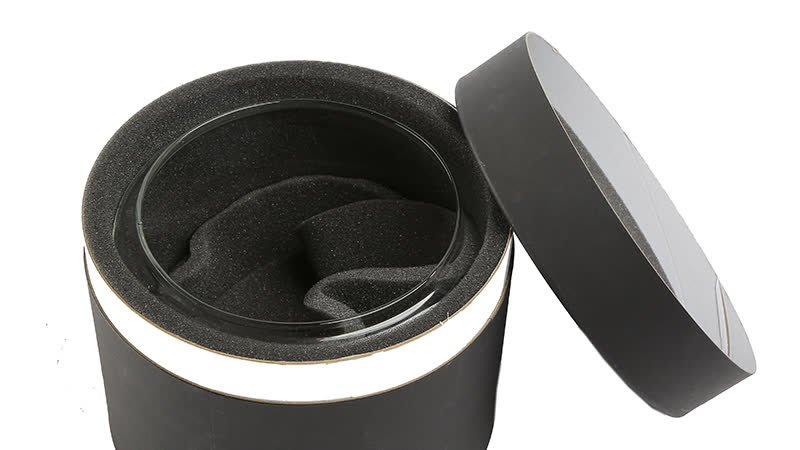
Why suppliers use GSM

For packaging, paper weight GSM helps communicate how light or substantial a sheet should feel, how much show-through is acceptable, and whether the sheet suits the print and folding job. It is not a promise that every paper with the same GSM will perform identically.

Case lens · Skincare packaging

A skincare box needs a “first-touch” layer—not just extra paper.

In an anonymized skincare-series packaging project, the packaging needed to feel clean and considered as soon as the box opened. That is where custom tissue paper becomes useful: it creates the reveal layer, separates products visually, and gives a printed brand message room to appear.

👁
OpacityDoes the product show through?
Print clarityWill the logo stay readable?
FoldabilityCan it wrap without looking bulky?
GSM takeaway: Higher GSM can improve opacity and a premium hand-feel, but it is not automatically better. For skincare presentation, test the actual printed sheet around the real product before confirming the tissue paper thickness.

Case note: customer identity and commercial details are omitted. The GSM recommendation is a packaging-selection lesson, not a claim that one specific GSM was used in this project.

Is GSM the same as paper thickness?

No. GSM measures weight; caliper measures physical thickness. ISO separately identifies paper and board thickness, density, and specific volume in ISO 534, while the TAPPI T 411 method addresses single-sheet thickness measurement.

A heavier tissue often feels more substantial when you compare the same paper family. But two sheets with equal GSM can still feel different because fibre type, recycled content, bulk, compression, moisture, coating, and surface finish all change the sheet’s body. A lofty tissue may feel softer and thicker than a denser sheet at the same weight.

The useful rule is: compare GSM first within the same tissue category, then ask for a physical sample. Do not treat higher GSM as an automatic quality upgrade. The best custom tissue paper thickness is the one that fits the product, print, and budget.
Paper weight GSM chart: from tissue to board

The ranges below are planning guidance, not a universal standard.

Paper categoryTypical weight rangeWhat buyers usually notice
Packaging tissueabout 17–28 GSMsoftness, transparency, drape, print show-through
Office paperabout 70–100 GSMeveryday writing and copying feel
Brochure paperabout 115–170 GSMsmoother print surface and more body
Cover stockabout 200–350 GSMfirmer cards, folders, and light packaging components
Paperboardoften 300 GSM and abovestiffness depends on grade, caliper, and structure

Read this as a map, not a ranking. Tissue needs to fold and gather; paperboard needs to carry shape.

What GSM is tissue paper?

Custom packaging tissue usually sits at the lightweight end of the chart. In many packaging projects, buyers compare 17 GSM and 28 GSM options because the difference is easy to see and feel during sampling.

Lower-GSM tissue is generally more translucent and flexible. It gathers neatly around garments, soft goods, or box contents, and can create a light, layered reveal. Higher-GSM tissue generally offers more opacity and a more substantial hand feel. It can suit gift sets, accessories, cosmetics, and presentation boxes where a darker print or a less transparent wrap is wanted.

Neither option replaces protective void fill or a structural insert for fragile products. Tissue is a presentation and light-separation material; it should not be asked to do the work of corrugated board, molded pulp, or engineered cushioning.

17 GSM vs 28 GSM tissue paper

Decision point17 GSM tissue paper28 GSM tissue paper
Feellight and delicatemore substantial
Opacitymore translucentgenerally less show-through
Foldingeasy to gather and layermore controlled, with more body
Tear resistancelower margin for rough handlinggenerally more resilient within a comparable grade
Printingsuits light patterns and restrained coverageoften a better starting point for stronger visual coverage
Typical usesapparel, soft goods, decorative wrappinggifts, accessories, cosmetics, presentation kits
Relative material uselowerhigher

This is a directional comparison, not a signed specification. A dense 17 GSM sheet can behave differently from a bulky one; test your actual logo, pattern, and intended fold.

Lightweight and more substantial tissue paper samples for GSM comparison
Compare samples by opacity, drape, print result, and the intended packing sequence.

How to choose the right custom tissue paper thickness

Start with the job the tissue needs to do. For a fashion order, the priority may be soft wrapping and a repeat pattern that still looks intentional after folding. For a skincare gift set, the priority may be a cleaner reveal and enough opacity to partially conceal the product. For a ceramic item, tissue can separate surfaces, but the protection plan must also include suitable cushioning and an outer shipping structure.

Then score each option against five questions:

  1. Opacity: Should the product be visible immediately, partly concealed, or fully presented after an opening note?
  2. Handling: Will the tissue be hand-wrapped, machine-packed, folded around a box, or used as a liner?
  3. Print: Is the artwork a fine one-colour repeat, or a large dark coverage area that needs more visual stability?
  4. Product risk: Is the sheet only decorative, or does it need to prevent surface scuffing between items?
  5. Order economics: Does the chosen GSM still make sense at the sheet size, quantity, packing method, and shipping destination?

For quick internal alignment, score opacity, flexibility, print compatibility, premium feel, and unit-cost fit from 1 to 5. First identify the non-negotiable requirement: drape, lower show-through, or efficient material use.

Tissue paper layered around an apparel item inside a mailer box
Tissue is selected for the product reveal, fold, and pack-out—not by GSM alone.

How tissue paper GSM affects custom printing

GSM influences the printing conversation, but it does not decide print quality by itself. Light, repeated motifs are usually forgiving on tissue because folds and translucency are part of the look. Large dark solids, fine reversed type, and complex multi-colour artwork need more care: the base colour, absorbency, registration tolerance, and tissue movement on press all matter.

For custom printed tissue paper, send the artwork before choosing the final paper. A useful sampling request includes the tissue colour, target GSM, print colours, repeat size, ink coverage, sheet dimensions, folding method, and a real product or representative sample. Compare the sheet flat and wrapped; a logo that looks crisp on a flat proof can land directly on a fold in a real unboxing.

When a heavier tissue is considered, ask what problem it solves. It may improve the hand feel or reduce show-through, but it may not improve a design that is too fine for the printing route. Good packaging decisions name the risk before they buy more paper.

Case lesson · Camera accessory gift set

Tissue makes the reveal. The insert keeps the kit in place.

An anonymized camera-accessory gift-box project revealed why packaging components must work as one system. The project involved a 3 mm EVA insert and several fit-and-finish checks—including slot fit, adhesion, sleeve fit, and surface quality.

Custom tissue paper Adds a branded first layer, soft separation, and a more polished unboxing moment.
Fitted EVA insert Controls movement and gives each accessory a defined position during transit.
3 mm EVA discussed 4 fit-and-finish checks One coordinated pack-out
What this means for GSM: Tissue paper GSM should be chosen for the visual layer—print, opacity, softness, and folding—not as a substitute for a protective insert. When products need fixed positions, use tissue and a fitted insert together.

Case note: customer identity is omitted. The case supports the insert-and-fit comparison; it does not claim that tissue paper replaced protective foam.

Camera accessory gift box with a fitted EVA insert and tissue paper presentation layer
Tissue creates the reveal; the fitted EVA insert controls product position.

What GSM-only guides often miss

GSM is not a standalone quality score. A premium packaging experience comes from paper, print, fold, product fit, and the small details around it. For a coordinated e-commerce or retail program, tissue can be planned alongside mailer boxes, paper bags, labels, and inserts rather than sourced as an afterthought.

The hidden cost of choosing the wrong option is often not the price per sheet. It can be an unreadable logo, a tissue layer that tears during packing, unnecessary shipping weight, or thousands of sheets that do not match the approved product presentation. A small sample review is much cheaper than discovering those issues after bulk packing starts.

A practical sample check before you order

Before approving bulk production, test at least two tissue options in the actual packaging sequence. Place the real product in its box, wrap it as the packing team will wrap it, and take a photo under normal indoor light. Check whether the product shows through as intended, whether the print lands well after folding, whether corners tear, and whether the tissue opens cleanly for the recipient.

For brands selling apparel and accessories, tissue often has to work with bags, tags, labels, and mailers across both retail and delivery channels. That broader system is why fashion and apparel packaging should be reviewed as a pack-out, not as several unrelated purchases.

FAQs

What is GSM paper?

GSM means grams per square metre. It measures the mass of a sheet over a one-square-metre area and is commonly used to compare paper weight.

Does higher GSM always mean thicker paper?

No. Higher GSM often feels more substantial within the same paper type, but thickness also depends on density, fibre, bulk, coating, and manufacturing conditions. Ask for caliper and samples when thickness matters.

What GSM is best for custom tissue paper?

There is no universal best option. Around 17 GSM can suit light decorative wrapping; around 28 GSM can suit applications that need more opacity and body. Test the actual paper grade and print design.

Is 17 GSM tissue paper too thin for packaging?

Not necessarily. It can work well for apparel, soft goods, and decorative layering. It is not intended to replace cushioning or structural protection for fragile products.

Does tissue paper GSM affect custom printing?

Yes, but it is only one factor. Ink coverage, paper colour, absorbency, artwork detail, press setup, and folding all affect the final appearance. Approve a physical printed sample before production.

Conclusion: choose GSM as part of a full specification

What is GSM paper? It is a reliable measure of mass per square metre—and a useful starting point for tissue selection. It is not the same as thickness, strength, or print quality.

Use 17 GSM when lightness, drape, and a delicate layered look fit the product. Consider 28 GSM when you need more body, less show-through, or a more substantial presentation. Then verify both on samples with your actual artwork and packing method.

Plan custom tissue paper with a packaging team

Custom tissue works best when it is specified with the rest of the pack-out: product size, box or bag format, tissue colour, artwork, target GSM, quantity, destination, and launch date. Forests Packaging Group supports tissue as part of coordinated retail, fashion, gift, and e-commerce packaging sets.

Send your product dimensions, intended use, artwork, preferred tissue feel, quantity, and shipping market through our packaging quote request. We can help turn those inputs into a practical sample brief before a bulk order.

How to Create PR Packages: Influencer Mailer Box Guide

How to Create PR Packages That People Want to Open

A PR package is more than a branded box of free products. It is a physical campaign touchpoint: part product introduction, part media kit, and part shipping problem waiting to happen if the structure is wrong. This guide explains how to create PR packages that feel intentional from first glance to final post.

Quick take

  • Start with a campaign objective and recipient profile, not a box style.
  • Choose PR box packaging for product protection, shipping economics, and the reveal sequence together.
  • Use a prototype to test fit, opening time, camera angles, and transit protection before approving production.
  • Measure delivery, usable content, qualified reach, clicks, and sales—not a promise that every recipient will post.

What is a PR package?

A public relations package is a curated physical shipment sent to creators, journalists, editors, partners, or event guests. It usually contains a hero product, selected supporting items, a concise brand story, and a clear next step. Its job is to make product discovery simple and content creation frictionless.

A press kit is primarily information for media; a media kit may be digital or physical and helps someone describe the brand accurately. An influencer mailer box is the physical presentation and protection system that carries those materials. The terms overlap, but treating them as identical often creates a pretty box with no campaign logic.

What most PR-package guides leave out

Most advice correctly says to personalize the note and choose a memorable product. The difficult parts arrive after that: matching the structure to weight and fragility, calculating inserts and freight, approving a production timeline, and deciding whether the finished package is actually easy to film. A premium-looking concept can still fail if a glass bottle rotates in transit or the creator needs three hands to find the product.

Use a simple concept score before production: rate each option from 1 to 5 for product protection, visual reveal, ease of opening, shipping efficiency, material recovery, and cost. The best concept is rarely the most decorated one; it is the one that meets the campaign brief with the fewest avoidable compromises.

Before you design the box, define the campaign

Pick one primary goal: launch awareness, product reviews, user-generated content, relationship building, or qualified traffic. Then define a recipient by audience relevance, content format, engagement quality, location, and any shipping restrictions. A skincare routine package for short-form video needs a different sequence from a press sample for a magazine editor.

Set success criteria before shipping: delivery rate, packages opened, usable content produced, mentions, reach, engagement, tracked clicks, code use, or attributable sales. Gifting is not a guarantee of coverage, and unpaid seeding should stay separate from contracted deliverables. If a creator endorses a gifted product, relationship disclosure can matter; the FTC’s influencer guidance explains why material connections should be clear and easy to notice.

How to create PR packages step by step

1. Choose a hero product

Lead with the product that best represents the launch and looks credible in the recipient’s hands or on camera. It should be relevant to the recipient, visually recognizable, and stable enough to survive the planned shipping route. Do not hide the main item beneath a pile of novelty extras.

2. Add only useful supporting items

Supporting items can include samples, a compatible accessory, usage instructions, or a brand-relevant extra. Each item needs a reason to exist: it helps demonstrate the product, completes a routine, or makes a useful scene for content. If it only fills empty space, revise the insert instead.

3. Give the recipient the information they need

Include a named note, concise product facts, key usage or care instructions, social handles, a campaign hashtag, and a QR code or trackable landing page. Keep printed material short. A recipient should understand what the product is, why it matters, and where to find approved details without reading a miniature annual report.

4. Remove friction

Discard irrelevant merchandise, hard-to-recycle loose filler, duplicate leaflets, and unclear instructions. The target is a clean unboxing experience, not a packing table that looks as though it lost an argument with a stationery store.

Choose the right PR box packaging structure

Corrugated mailer boxes are practical for direct shipping, moderate budgets, and products that need a strong outer shell. Rigid or magnetic-closure boxes suit premium launches where presentation and repeat use matter more than flat packing efficiency. Folding cartons work well as lightweight product packaging but commonly need an outer shipper. Presentation kits and multi-compartment boxes are useful for routines, collections, and mixed product bundles when the insert can hold every item securely.

StructureBest forWatch-outs
Corrugated mailerShipping, moderate budgets, launchesChoose board strength and fit carefully
Rigid boxLuxury gifts, beauty, premium electronicsHigher material, assembly, and freight cost
Folding cartonLightweight retail productsUsually needs secondary shipping protection
Compartment kitSets, routines, several SKUsInsert design and pack-out take longer

For broader format options, review the site’s custom packaging products before requesting a structural recommendation. Specify product dimensions, packed weight, destination, quantity, and whether the box will ship directly or sit inside an outer carton.

Structure Creates the Story

A Book-Style Box Makes the Opening Part of the Campaign

An anonymized book-style gift box project demonstrates a useful PR packaging principle: the box should not simply contain the product—it can guide the recipient through the reveal.

01OpenThe structure creates a deliberate first moment.
02ReadThe inside cover can carry a concise campaign message.
03RevealThe product arrives after the brand story, not before it.

▣ Standard shipping box

  • Fast, direct, and practical.
  • Best when protection is the main job.
  • Usually reveals the product immediately.

✦ Book-style PR box

  • Creates a more staged opening experience.
  • Makes room for a note, card, or product story.
  • Works well when the unboxing itself is shareable content.

PR packaging takeaway: Choose a book-style structure when your launch needs a pause before the product reveal—especially for premium gifting, brand storytelling, and creator unboxings.

book-style-pr-box-packaging-brand-reveal

Plan the interior and unboxing experience

Design the reveal in order: exterior brand cue, opening message, personal note, product reveal, then the next action. Keep labels facing forward, leave enough finger clearance to remove items, and create deliberate spacing rather than filling every cavity. A good insert can be paperboard, corrugated board, or molded pulp; use foam only where the product risk clearly justifies it.

Run a test unboxing with ordinary indoor light and a phone camera. Time the opening, note confusing actions, check whether products stay upright after a gentle shake, and photograph the box from the angles a creator is likely to use. This small test often catches the kind of problem that a beautiful 3D render politely ignores.

Select materials, printing, and finishes with restraint

Corrugated board supports shipping strength; paperboard offers crisp print and lighter weight; rigid board supports premium presentation. Digital printing can suit shorter runs or variable artwork, while offset and flexographic methods may suit other volume, material, and coverage requirements. Confirm the production route after the structure and quantity are known.

Foil, embossing, debossing, spot UV, matte film, and gloss film can sharpen an influencer PR package, but one or two high-impact details usually outperform decoration on every surface. Right-size the package, minimize mixed materials, and add disposal instructions where useful. If environmental claims are needed, confirm the project-specific material evidence and target-market requirements; the Forest Stewardship Council is a useful starting point for understanding responsible forest-management certification.

How much does custom PR packaging cost?

Total cost depends on quantity, dimensions, structure, material, print coverage, insert complexity, finishes, assembly, freight, and postage. Build the campaign budget across products, prototype samples, packaging, fulfillment, creator fees where applicable, shipping, and a contingency. A box quote alone is not a campaign budget.

Also watch dimensional weight: a large but light package may be billed on its volume rather than its scale weight. UPS defines dimensional weight as a pricing technique that uses package volume, so confirm the carrier’s current rules for the planned lane before locking the outer dimensions. See its dimensional-weight definition for the underlying concept.

After the campaign, calculate cost per meaningful outcome: total spend divided by approved content assets, qualified reach, leads, or sales—depending on the original goal. This prevents a low cost per box from disguising a costly campaign that generated little usable value.

Production timeline and logistics

Plan in stages: brief and concept, structural design, prototype and fit test, artwork approval, production, assembly, and shipping. Build time for revisions. A final dieline, print file, and insert layout are not the same as a validated packed sample.

Confirm product dimensions and weight, insert fit, outer shipping carton needs, and labeling before the full run. Test reasonable drop, vibration, and temperature risks for the route. Liquids, food, cosmetics, batteries, and fragile products may need additional labeling, carrier, customs, or destination controls; requirements vary by product and market, so confirm them for the specific campaign.

Real Packaging Lesson

A Multi-Piece PR Kit Needs More Than a Nice Box

In an anonymized camera accessory gift-set project, a custom-cut black foam insert gave every item a defined position. The goal was not extra decoration—it was a cleaner reveal and safer transit.

Kit formatMulti-piece accessory set
InteriorCustom-cut foam insert
PriorityProtection + presentation

✕ Without a fitted insert

  • Small pieces can move in transit.
  • The reveal can look cluttered on camera.
  • Recipients may not know where each item belongs.

✓ With a fitted insert

  • Each product has a clear, intentional place.
  • Labels can face forward for the first reveal.
  • The kit is easier to open, film, and understand.

PR packaging takeaway: For multi-item influencer mailers, design the inside first. A good insert turns “several products in a box” into one clear story.

Open custom PR gift box with a black foam insert holding camera accessories in separate compartments.

How to choose a custom PR packaging supplier

Ask about minimum order quantities, sample options, artwork requirements, color matching, production timing, agreed inspection points, assembly, and fulfillment. Score suppliers on structural thinking, print quality, communication, documentation, price transparency, and delivery reliability—not simply the first unit price.

Custom PR packaging is most useful when a launch has defined quantities, an approved product set, a budget, and a clear success measure. For a tiny test with uncertain product-market fit, a carefully packed stock box and a small pilot may teach you more before you commit to a complex bespoke structure.

Common PR package mistakes

Designing before defining the campaign creates attractive but unfocused packages. Selecting recipients only by follower count can miss audience relevance. Oversized boxes increase material and freight, overcrowded interiors make filming awkward, and ignoring transit risk turns a launch into a returns exercise. Most importantly, premium packaging never guarantees coverage; use it to make the product and story easier to understand, not as a substitute for a good recipient fit.

Run a pilot before scaling

Send a small pilot to a representative recipient group. Collect delivery feedback, opening observations, product clarity notes, and content usability feedback. Document photos and practical changes—such as a revised insert height or shorter instruction card—before scaling the next run. This gives your team evidence instead of assumptions.

PR package planning checklist

Confirm the campaign goal, recipient profile, product list, box style, packed dimensions and weight, insert type, materials and finishes, quantity, total budget, prototype date, production deadline, shipping method, tracking plan, and campaign disclosures. Keep this brief with the quote request so the supplier can assess the entire pack-out rather than pricing an isolated box.

FAQs

What should be included in a PR package?

Include a relevant hero product, selected supporting items, a personalized note, concise product information, campaign details, and a clear next step.

How much does a custom PR box cost?

Cost depends on quantity, dimensions, materials, printing, inserts, finishes, assembly, freight, and shipping. A prototype and itemized quote give the most reliable estimate.

How far in advance should I order PR packaging?

Start well before launch so there is time for structural design, sampling, artwork approval, production, assembly, and shipping.

What is the best box style for an influencer mailer?

A corrugated mailer is often best for direct shipping, while a rigid presentation box suits a premium reveal. The product’s weight, fragility, quantity, and shipping route determine the right choice.

Do PR gifts guarantee influencer coverage?

No. A gift can support product discovery and relationships, but coverage depends on fit, editorial choice, agreements, and local disclosure rules. Define success beyond a guaranteed post.

Conclusion: build the campaign before the box

Knowing how to create PR packages starts with the campaign objective and recipient, then balances presentation, protection, cost, and shipping. Prototype the complete experience, measure the outcomes that matter, and improve from a small pilot before committing to scale.

Plan a custom PR package with a manufacturing team

Forests Packaging Group can help translate your product list, reveal sequence, artwork, and shipping needs into a practical PR packaging brief. Our Shanghai Intelligent Factory workflow connects structural review, sampling, production, inspection, and export handover for custom packaging projects.

Send your product dimensions, quantity, artwork or reference images, target market, shipping destination, and deadline through our custom packaging inquiry form. We will help you compare structures, inserts, finishes, and pack-out options for your campaign.

Mailer vs Shipping Box: How to Choose the Best Ecommerce Packaging

Choosing between a mailer and a shipping box comes down to one question: can the product safely travel with flexible protection, or does it need a rigid structure? Use a mailer for light, durable, low-profile items. Use a corrugated shipping box when weight, crush risk, multiple pieces, or a premium unboxing experience raise the stakes.

The best packaging for ecommerce is not automatically the smallest or the strongest option. It is the format that protects the order at the lowest total landed cost while fitting your fulfilment workflow and brand promise.

Key takeaways

  • A shipping mailer saves space and packing time for products that can flex and do not need edge protection.
  • A corrugated box gives the order stack strength, shape control, and room for inserts or multiple items.
  • Compare the whole shipment: packaging, void fill, labour, dimensional weight, damage claims, and customer experience.
  • Test the final packed order—not an empty mailer or box—before scaling a format.

What is a mailer, and what is a shipping box?

A mailer is a pre-made shipping envelope or sleeve, usually with an adhesive closure. It can be a poly mailer, paper mailer, padded mailer, bubble mailer, or rigid mailer. It is designed for quick packing and low cube, not for resisting heavy compression.

A shipping box is normally a corrugated container made from fluted board between liner sheets. Its structure helps it hold its shape during sorting, stacking, and last-mile handling. “Mailer box” is also used for a self-locking corrugated presentation box; it is still a box, not a flexible mailer.

For a useful format overview, explore CustomPackMart’s packaging products, which include poly and bubble mailers alongside mailer boxes and shipping cartons.

Mailer vs shipping box: a quick comparison

Decision factorShipping mailerCorrugated shipping box
Best forApparel, soft goods, small non-fragile itemsFragile, heavy, multi-item, or structured products
ProtectionTear and moisture resistance vary by material; limited crush resistanceBetter edge, puncture, and compression protection
Packing speedUsually fast: insert, seal, labelMay need erecting, tape, inserts, and void fill
Warehouse cubeStores flat with very low volumeStores flat but occupies more material and packing space
Dimensional weightOften lower when right-sizedCan rise quickly if the box is oversized
Brand experienceClean and simple; print and inserts can add personalityMore surfaces, structure, and room for an unboxing sequence

The table is a starting point, not a promise. A padded mailer can outperform a poorly sized box for a small durable product; a box without an insert can still let a delicate item move and break.

When a mailer is the better ecommerce packaging choice

Choose a mailer when the item is light, compact, and unlikely to be damaged by bending, pressure, or contact with another item. Apparel, textiles, soft accessories, replacement parts, and some small personal-care products are common examples.

The practical advantage is simple: a mailer is quick to fill, takes little warehouse space, and can eliminate empty air around a single-item order. A well-sized poly mailer can also be useful where moisture resistance matters. A paper or padded mailer may suit a different product and disposal route, but neither should be selected on appearance alone.

Poly mailer vs box: a poly mailer usually wins for a single soft garment because it is lighter and flexible. It loses when a product can be crushed, has sharp corners, needs to stay flat, or carries a retail carton that must arrive pristine.

Before choosing, run a squeeze test. Put the real product, label, and any insert into the mailer; press the parcel from the top and edges; then check whether the product shifts, bends, scuffs, or exposes a corner. If it does, add a protective component or move to a box.

Lightweight paper packaging option for compact ecommerce orders

When a shipping box is the better choice

Use a shipping box when the parcel needs a protective shell. That normally includes glass, electronics, cosmetics in glass containers, boxed sets, products with sharp edges, heavier items, or orders containing several SKUs.

A box also makes sense when presentation is part of the sale. It can carry tissue, a card, an insert, or a branded reveal without relying on the product itself to survive the trip. For e-commerce brands, structure should be paired with the channel, product category, and delivery plan rather than treating every shipment alike.

The common mistake is to select a box solely by outside dimensions. Start with the packed product, then allow space only for the protection it actually needs. Too little clearance creates pressure points; too much clearance creates movement, extra void fill, and avoidable shipping cube.

Branded ecommerce packaging presentation for a premium customer experience

Calculate total cost, not just unit price

The cheapest mailer or box on a quotation is not necessarily the lowest-cost option after fulfilment. Use this working formula:

Total cost per shipped order = packaging + protective components + pack labour + carrier charge + expected damage/return cost.

Carrier charges can be affected by a parcel’s size as well as its scale weight. UPS explains that dimensional weight is based on the space a package occupies, using length × width × height divided by a rate-specific divisor. Review UPS’s package dimensions and dimensional-weight guide against your own carrier contract before changing a pack size.

This is why a mailer may reduce cost for a flat order, while a right-sized box may reduce cost for an item that would otherwise need multiple layers of padding or generate damage claims. Price the two finished parcels, not their empty components.

Real packaging case · Internal case 76031

Cold-chain packaging: from four handoffs to one coordinated system

A buyer needed an insulated pack for a temperature-sensitive shipment. The packaging question was not simply “which shipping box?” but how the complete protective sequence would work together.

The problem: purchasing the four required components separately would mean separate quotations, coordination and logistics charges. The case records an integrated quotation approach instead.

Packaging needCold-chain protection
Original route4 separate suppliers
Proposed route1 coordinated quotation

What the buyer would manage

Four components, sourced as four disconnected transactions.

  • 1Foam box
  • 2Ice packs
  • 3Foil bag
  • 4Outer carton

What the integrated quote covers

The same four layers planned as one protective packaging system.

  • 1Foam box — insulated core
  • 2Ice packs — cooling component
  • 3Foil bag — thermal barrier
  • 4Outer carton — shipping shell

Source: internal sales-case record 76031. Customer identity and final order outcome are omitted; this example documents the sourcing and quotation approach, not a verified delivery-performance result.

Cold-chain packaging case showing four separately sourced components—foam box, ice packs, foil bag and outer carton—combined into one coordinated shipping system

A five-step framework for choosing the best packaging for ecommerce

1. Classify the product risk

Write down the item’s weight, dimensions, sharp edges, surface sensitivity, breakability, and whether it can bend. A soft T-shirt and a perfume bottle are not variations of the same packaging problem.

2. Define the transport environment

Consider parcel-carrier handling, stacking, long-distance transit, climate, and the number of handoffs. A direct local delivery may tolerate a lighter pack than a cross-border order with several transfers.

3. Right-size the pack around real protection

For a mailer, check seam strength, closure, puncture risk, and whether a backing board or padding is required. For a box, specify the internal size, board strength, closure, and any insert or void-fill plan.

Read our related guide, What Is Corrugated Cardboard? Types, Flutes and Uses, before selecting a shipping-box board structure. Flute and liner choices affect stiffness, cushioning, print surface, and the way a box performs in a stacked parcel stream.

4. Map the fulfilment motion

Time a small packing run. Can the team pick the right format, insert the product, close it, and apply the label without a workaround? A format that looks efficient on a sample table can slow a busy fulfilment line if it needs too many manual steps.

5. Test, learn, and document the decision

Send trial packs through the real route where possible. Check scuffing, corner damage, seal failure, product movement, customer feedback, and return reasons. For higher-risk projects, ISTA distinguishes screening tests from general-simulation tests that model transport hazards; its test-procedure guidance is a useful reference when defining a test plan.

Sustainability: choose the right-sized, usable format

Less material is only one part of a responsible decision. A mailer that causes repeat shipments is not automatically the better outcome; a large box filled with excess void material is not a good one either.

Start by reducing unnecessary empty space, then evaluate the material system, coatings, labels, adhesive, and the disposal routes available to your customer. The US EPA notes that recycling depends on local infrastructure and accepted materials, so recycling claims should be checked for the target market rather than assumed from a material name alone. See the EPA’s recycling basics for the broader context.

For a custom program, material, recycled-content, and recovery options should be confirmed by project and destination market. A clear instruction on the pack can be more useful than a vague environmental claim.

Common mistakes to avoid

Using a mailer because it is cheaper. If the product needs edge protection, the apparent saving can disappear in refunds, replacements, and support time.

Using a box because it feels safer. An oversized box can let the product collide with the walls, increase dimensional weight, and create a wasteful opening experience.

Testing packaging without the full order. Inserts, promotions, labels, and multi-SKU combinations can change fit and balance.

Designing before defining the shipping job. Artwork matters, but structure, dimensions, and protection must be agreed first. The CustomPackMart homepage shows the broader packaging system—from product format to factory and delivery support—that should inform that decision.

FAQ

What is a mailer used for?

A mailer is used to ship light, low-profile goods quickly. It is best for products that do not need strong crush or edge protection, such as apparel and soft accessories.

Is a poly mailer cheaper than a box?

Often, but not always. A poly mailer can lower packaging and dimensional-weight cost for a suitable order, while a box may be cheaper overall when it prevents damage or reduces the need for extra protective components.

Can I ship fragile products in a padded mailer?

Only if the finished pack passes a route-appropriate protection test. Padding reduces some impact risk but does not provide the rigid edge and compression protection of a corrugated box.

What is the best packaging for ecommerce clothing?

A right-sized poly or paper mailer is often a practical choice for a single soft garment. Use a box when the order includes premium presentation items, shoes, multiple products, or a retail carton that must remain undamaged.

How do I decide between a mailer and a shipping box?

Start with product risk, then compare the real packed order’s dimensions, carrier charge, packing time, protection, and customer experience. A short trial run is more reliable than choosing from unit price alone.

The practical answer

Choose a mailer for light, durable, single-item orders that can travel with minimal protection. Choose a shipping box for fragile, heavy, multi-item, structured, or presentation-led orders. If the order sits in the middle, prototype both and compare the packed parcel’s cost, handling time, protection, and customer experience.

Forests Packaging can help translate your product size, quantity, artwork, target market, and fulfilment route into a practical mailer, box, insert, or combined system. Request a packaging discussion with the product details and expected transit conditions to begin with a pack structure, not a guess.

Paperboard Packaging Guide: Grades, Thickness and Uses

Paperboard packaging is not selected by appearance alone. The right board balances print quality, folding performance, product weight, supply-chain exposure and cost. A bright white carton can look premium yet still be the wrong choice if it cracks at the score line or needs to survive rough parcel handling.

Quick answer: choose the paperboard grade for surface, fiber and application; then choose caliper and structure for stiffness. GSM is useful, but it is not a strength rating. For any new box, compare at least two material samples in the actual size, print coverage and packing conditions.

What Is Paperboard?

Paperboard is a stiff paper-based sheet used mainly for folding cartons, sleeves, inserts, retail displays and presentation boxes. It is heavier and more rigid than ordinary paper, yet it folds and prints more readily than corrugated board. In practice, names can vary between mills and regions, so the supplier specification matters more than a label alone.

For packaging buyers, the decision is usually between a solid folding-carton board and corrugated board. A paperboard carton presents the product on shelf; a corrugated shipper uses linerboard and fluting to add cushioning and stacking strength. Many ecommerce projects need both: a printed folding carton inside a protective corrugated shipping box.

Paperboard vs Cardboard: Choose by the Job

“Cardboard” is a broad everyday term. It may mean paperboard, but often refers to corrugated material. Paperboard is best when shelf presentation, graphic detail and a compact folded structure matter. Corrugated board is better when the product is heavy, fragile or exposed to repeated handling in transit.

Do not ask only, “Which material is stronger?” Ask where the box works. A lightweight skincare carton may need a smooth printable board and a separate shipper. A heavy electronic accessory may need a stiffer carton, a fitted insert, or corrugated protection from the start. Product weight, centre of gravity, storage humidity and delivery route change the answer.

REAL PHARMACEUTICAL CARTON CASE

For a medicine carton, adding a window was not a one-line instruction.

The U.S. buyer supplied dimensions and artwork for a high-volume, windowed tuck-lock carton. One production question determined the material route.

📍 U.S. buyer 💊 Pharmaceutical packaging 📦 Windowed tuck-lock carton
🪟
PVC window

A separate film component sits behind the paperboard cut-out.

VS
✂️
Die-cut opening

A window is cut directly into the paperboard, with no film added.

Why clarification came before quotation
📐
Structure

Window position changes the die-line.

🧱
Materials

Film and paperboard are not the same build.

💲
Cost

The production route affects the quote.

Internal 2024 project record. Verified facts: U.S. pharmaceutical carton, supplied dimensions and design, sizable quantity, and the PVC-window versus die-cut clarification.

Main Paperboard Grades Compared

SBS: Solid Bleached Sulfate

SBS is usually made from bleached virgin fiber and is valued for its clean white surface, sharp colour reproduction and compatibility with premium finishes. It is a common starting point for cosmetics, healthcare, confectionery and retail cartons where the inside and outside may both be visible.

Its trade-off is cost. SBS also needs the right coating or barrier where moisture, grease or food-contact requirements apply. A premium surface should not be treated as a guarantee of shipping strength.

FBB: Folding Box Board

FBB is a multi-ply board designed to offer useful stiffness at a relatively efficient weight. Its smooth printable face makes it suitable for beauty, healthcare, confectionery and general retail packaging. It is often a strong choice when a carton needs a crisp fold and an upscale print result without automatically moving to the heaviest board.

Ask for the mill specification rather than relying on the abbreviation. Fiber mix, bulk, coating and performance can differ by source and target market.

CCNB: Clay-Coated News Back

CCNB commonly uses recycled fiber and has a coated print face with a grey reverse side. It can be practical for cost-conscious dry goods, household products and secondary cartons where the back panel is not part of the brand experience.

The limitation is not merely appearance. Moisture exposure, demanding folds and high load can require a different grade or a structural adjustment. Recycled content is valuable only when the finished carton still performs for its use.

SUS and CUK: Unbleached Kraft Grades

Unbleached kraft grades provide a natural brown appearance and visible fiber character. They work well for brands seeking a less processed visual language, especially for natural products, apparel, dry food and gifting concepts. White ink, opaque coatings and high-accuracy colour matching need early proofing because the base colour affects the final artwork.

Kraft is not a shortcut for every environmental claim. Recyclability, certified fiber, recycled content and food-contact suitability should be confirmed for the actual board, coating, ink and destination market.

GradeBest forAvoid whenKey trade-off
SBSPremium graphics, cosmetics, healthcareHeavy shipping loads without supportBest white print surface; higher cost
FBBStiff retail cartons and fine printingSpecification is unverifiedGood stiffness-to-weight balance
CCNBDry, cost-sensitive cartonsWet exposure or a premium reverse sideRecycled fiber; lower visual and moisture tolerance
Kraft / CUKNatural-brand presentationBright brand colours need exact matchingStrong identity; muted print base

How Box Paper Thickness Is Measured

GSM means grams per square metre: it measures sheet mass. Caliper measures physical thickness, commonly in microns, millimetres or points; one point is one thousandth of an inch. Buyers often search for “box paper thickness,” but the useful request is a combination of GSM, caliper, grade, grain direction and intended box structure.

Equal GSM does not mean equal stiffness. Board density, bulk, fiber type, ply construction and moisture condition can produce two sheets with the same mass but different thickness and folding behaviour. That is why a material call-out such as “350 gsm” is a starting point, not a complete engineering specification.

As a planning guide, light board can suit small, low-weight cartons; medium calipers are common for cosmetics, supplements and retail goods; heavier board can improve panel stiffness on larger folding cartons. Those ranges are not universal. A tall narrow carton, a full-coverage dark print, a window cut-out or a heavy insert can change the required board more than GSM alone.

A Practical Selection Framework

Start with the product: provide finished dimensions, weight, fragility, sharp edges and centre of gravity. Then describe the supply chain: retail shelf, subscription shipment, warehouse stacking, climate exposure and whether an outer shipper is used.

Next, define the graphic brief. Offset printing, large solid colours, foil, embossing, spot UV and soft-touch finishes each affect proofing, scoring and perceived quality. Grain direction matters too: placing a score across the wrong grain can increase fold cracking, especially with heavy ink coverage or a brittle coating.

Finally, review compliance and sustainability by project. Food, pharmaceutical and regulated packs need documentation matched to the material and intended market. A recyclable or recycled-content claim must describe the real component and recovery route, not just the paper base.

Recommendations by Application

For cosmetics and luxury goods, prioritize smoothness, colour accuracy, clean folds and finish compatibility. For food, healthcare and sustainability-led packs, confirm the required material, documentation and target-market conditions before locking the board.

For electronics accessories and heavier retail products, check carton stiffness with the insert and outer shipper. A paperboard box should not be forced to solve a transit problem that corrugated protection is designed to handle.

Score Materials Before Sampling

Use a five-factor scorecard: print quality, structural stiffness, moisture resistance, sustainability alignment and cost efficiency. Weight the factors by the project. A luxury fragrance carton may put print quality first; an economical household-product carton may give more weight to cost and stacking performance.

Shortlist two grades, then test the real artwork and structure. Inspect colour, score lines, corners, glue areas and any coated or foiled zones after handling. This small test catches expensive mistakes earlier than a material discussion built around one number.

Common Selection Mistakes

Choosing by GSM alone is the classic error. Fix it by comparing caliper, stiffness, grain direction and carton design. Another mistake is confusing a premium coated surface with structural strength; evaluate print and load separately.

Also account for moisture, grease, temperature and handling. A board that looks perfect in a flat sample may fail after packing, storage or delivery. If the product needs cushioning, compression resistance or repeated shipping protection, specify the outer corrugated system rather than simply increasing the paperboard weight.

REAL US$30,000 SKINCARE PROJECT

Three paper layers. One rush order. No room for a warped tube.

This double-sided printed paper tube turned thickness, paper weight and mounting control into critical production decisions.

🧱 Paper tube build

Outer wrap 157 gsm coated art paper
Tube core 2 mm white board
Inner wrap 80 gsm white kraft

🛡️ Production controls

📐
Align sheets before mounting

Small offsets can make laminated material bend and cause die-cutting errors.

🔍
Slow down the mounting line

Extra sampling catches defects that an urgent schedule can hide.

🎨
Check complex blacks at press

Four-colour black can shift green; single black was safer where acceptable.

Material choice becomes process control. Board thickness alone was not enough; alignment, sampling and colour verification protected the finished tube.

Internal 2025 skincare project record. Material specifications and production controls are taken from the case file.

Cross-section of a skincare paper tube with a 2 mm white board core, 157 gsm coated art paper and 80 gsm white kraft liner

What Forests Project Records Add to the Decision

Forests Packaging Group does not treat paperboard as an isolated material choice. An internal 2025 US$30,000 skincare-series order used a double-sided printed paper tube built around a 2 mm white-board core, with 157 gsm coated art paper outside and 80 gsm white kraft inside. This is a paper-tube example, not a universal folding-carton specification; it shows why a board call-out has to be read together with the full laminated structure and print requirement.

Its production record is the useful part. Sheet alignment had to be checked before mounting because even a small offset could create warped laminated material and downstream die-cutting variation. For an urgent run, the mounting speed could be reduced to allow more sampling. Complex four-colour black also required live colour approval because it could shift green; a one-black alternative was safer when the artwork allowed it. The Shanghai Intelligent Factory connects planning, production, inspection, packing and delivery. Buyers can explore relevant formats in the custom packaging product range before sending a brief.

Supplier-Ready Checklist

Before requesting a quote, prepare product dimensions and weight, box style, quantity, target market, artwork status, desired print and finish, insert needs, shipping method and deadline. Ask the supplier to confirm the board grade, mill specification, GSM, caliper, grain direction, tolerance, coating, compliance scope and proposed test or sample plan.

For measurement language, TAPPI publishes methods including thickness testing for paper and paperboard; use the current agreed test method when comparing supplier data. For food-contact packaging in the United States, check the relevant FDA food-contact substance guidance for the specific material and use case.

FAQs

Is paperboard the same as cardboard?

Not always. Paperboard usually means solid board for folding cartons, while cardboard may refer broadly to paperboard or to corrugated board used for stronger shipping protection.

What paperboard grade is best for product packaging?

There is no universal best grade. SBS and FBB are common for high-quality retail print, CCNB can suit cost-sensitive dry cartons, and kraft grades support a natural visual direction. Product and supply-chain conditions decide.

Does higher GSM mean a stronger box?

No. GSM measures mass per area. Caliper, bulk, fiber composition, grain direction, score design and box structure all affect how a carton performs.

What thickness should a folding carton use?

Start with the product size, weight, box geometry and finish, then compare samples. Request both GSM and caliper; a supplier should confirm the mill specification and test the actual structure where risk is material.

When should I use corrugated board instead of paperboard?

Use corrugated board when the product needs cushioning, stacking strength or transit protection. A retail paperboard carton can still be paired with a corrugated shipper for ecommerce delivery.

Final Takeaway

Paperboard grade determines the fiber, surface and typical performance profile. Thickness supports the structure, but it does not replace a review of stiffness, geometry, print, product load and supply-chain conditions. The right decision is the lowest-risk combination that protects the product and delivers the intended shelf experience.

Request a Paperboard Review

Forests Packaging Group can help turn your product requirements into a board, carton and sampling brief rather than a guess based on GSM alone. Share the product dimensions, weight, quantity, artwork, target market, shipping destination and deadline.

Use the packaging inquiry form to request a material and structure review for your project.

What Is Corrugated Cardboard? Types, Flutes and Uses

Quick Answer: Corrugated cardboard is a paper-based board made from one or more fluted layers glued between flat linerboards. The flutes create space, cushioning, and vertical strength. That is why corrugated packaging is used for shipping cartons, e-commerce mailers, retail displays, and protective inserts.

In everyday conversation, carton, cardboard box, and corrugated box are often used as if they mean the same thing. They do not always describe the same construction. This guide explains the difference, the main flute and wall types, common box styles, and the practical checks buyers should make before ordering.

Quick Answer: What Is Corrugated Cardboard?

  • Structure: flat linerboard is bonded to a wavy paper layer called fluting; another linerboard normally closes the structure.
  • Purpose: the fluted medium adds cushioning, crush resistance, and stacking strength without making the board solid and unnecessarily heavy.
  • Formats: single-wall, double-wall, and triple-wall boards can be converted into shipping cartons, mailer boxes, trays, partitions, and displays.
  • Selection: the best board depends on product weight, dimensions, handling, humidity, stacking, printing, and the final delivery route.

Corrugated cardboard is also called corrugated fiberboard. A typical single-wall sheet has two linerboards and one fluted medium. The liners form the surfaces; the flute separates them and helps the sheet resist bending. A board can contain more layers when a project needs higher compression or impact protection.

Forests Packaging Group supports buyers who need a complete packaging decision rather than a box selected from a generic size list. You can review our custom packaging products while comparing box construction with mailers, folding cartons, inserts, and other formats.

Corrugated Board vs Carton vs Cardboard Box

Open corrugated cardboard box showing internal product fit and protective structure

Cardboard is a broad, everyday term for paper-based board. In packaging, it often refers to folding carton stock used for cereal, cosmetics, and other retail packs. It is relatively thin and is designed to fold, print, and present the product.

Corrugated board has a fluted middle layer. It is thicker and more structural, so it is usually chosen for transport, parcel delivery, stacking, and outer protection. A corrugated carton box may also carry printed graphics, but its first job is normally to protect the product through handling.

Carton or cartons is a broader commercial term. A carton can mean a folding carton, a rigid carton, or a shipping container depending on the market. When requesting quotations, do not rely on the word carton alone. Specify the board construction, internal dimensions, closure, print, and expected load.

TermWhat it normally describesTypical use
Paperboard/cardboardSolid paper-based sheetRetail folding cartons and lightweight inserts
Corrugated boardLinerboard plus fluted mediumShipping, storage, displays, and protection
Corrugated boxA box converted from corrugated boardE-commerce orders, master cartons, and transport packs

Corrugated Flute Types Explained

Exploded corrugated cardboard layers showing fluted medium between linerboards

Flute selection is a balance, not a simple “larger is stronger” rule. Larger flutes generally provide more cushioning and vertical support. Smaller flutes can give a flatter surface, tighter folds, and better print definition. The final board grade, paper combination, dimensions, and box style still matter.

FluteGeneral characteristicCommon direction
AHigher cushioning and stacking depthFragile products and added protection
BGood crush and puncture resistance with a flatter surfaceDie-cut packs, partitions, and general shipping
CBalanced cushioning, compression, and availabilityGeneral e-commerce and shipping cartons
EThin profile and smooth printable surfaceRetail-ready packs, cosmetics, and small products
FVery fine flute and presentation-focused surfaceSpecialty retail packaging and light-duty packs

These are typical tendencies, not guaranteed performance ratings. A supplier should confirm the actual caliper, paper grade, ECT or burst rating, and test conditions. FEFCO notes that flute type should be checked by flute pitch and construction; finished thickness alone does not identify every flute correctly. See the FEFCO corrugated packaging code when a box style needs to be described clearly across languages and suppliers.

📦 Real Packaging Case · Australia

From One Quote to Six Packaging Formats

An Australian jewelry and candle brand began with a quotation request. By the sampling stage, the project had become a multi-item packaging plan.

AustraliaCustomer market
6Packaging formats
3Sampling routes
10%Sampling deposit

Project timeline

① Friday Inquiry arrived before the weekend; quotation continued the following week.
② Quote review The request expanded to zipper mailers, pillow boxes, cards, bags, and neck boxes.
③ Video call The customer wanted to see artwork and hot-stamping effects before payment.
④ Re-test When the pack-out changed from two boxes to three, the structure was re-cut and tested.

⚠️ The problem

  • Quantities and final value were not confirmed.
  • The customer wanted samples before payment.
  • Artwork and finishing needed visual proof.
  • The product count changed during the project.

✓ Our response

  • Organized all quotation items before the call.
  • Compared three proofing routes.
  • Confirmed quantities before sampling.
  • Re-cut and tested after the pack-out changed.
Key lesson: Choosing a corrugated carton box is not only about flute selection. Product count, inner dimensions, closure, artwork, finishing, and final pack-out must all be confirmed before bulk production.
Packaging project timeline for an Australian jewelry and candle brand, showing pillow boxes, earring cards, and sampling revisions

Single-Wall, Double-Wall, or Triple-Wall?

Single-wall board has one fluted medium between two liners. It is the common starting point for many mailer boxes, shipping cartons, and product packs. It can be efficient when the product is light and the distribution route is controlled.

Double-wall board combines two fluted mediums with three liners. It adds stiffness and stacking support for heavier products, larger footprints, or longer and more demanding routes. Different flute combinations can balance cushioning with surface quality.

Triple-wall board uses three fluted mediums and four liners. It is reserved for heavy-duty applications where the added material and reduced flexibility are justified. Do not upgrade wall count automatically: an oversized box with poor fit can still fail, while an efficient insert or divider can sometimes improve protection more economically.

Common Corrugated Box Styles

The Regular Slotted Container (RSC) is the familiar shipping box with flaps meeting at the center. It is simple, scalable, and often efficient for packing lines. A full-overlap version gives more overlap at the top and bottom when extra panel support is useful.

A die-cut mailer can include a tuck closure, locking tabs, tear strip, or self-locking geometry. It is popular for direct-to-consumer orders because it can reduce tape use and improve the unboxing experience. A one-piece folder works well for books, flat products, and products that need a snug wrap.

Other options include trays, telescope boxes for long or premium products, display-ready cartons, partitions, and custom inserts. The right box type is determined by how the product is packed, closed, handled, displayed, and replenished—not by appearance alone. The FEFCO system assigns codes to common constructions so a buyer and supplier can discuss the same shape without relying on a long verbal description.

Digital sample cutting machine working on corrugated board

How Corrugated Box Strength Is Measured

Box strength is not one number. Edge Crush Test (ECT) indicates the force needed to crush a board sample standing on its edge and helps predict container compression. Burst or Mullen testing measures the pressure needed to puncture the board surface. Box Compression Testing evaluates the finished container under a load.

Ask which test is being used and what requirement it represents. A board can have good puncture resistance but still be a poor choice for tall pallet stacks. Product fragility, box dimensions, stacking pattern, pallet overhang, vibration, drops, temperature, and humidity can all change the result.

For a shipping project, request a prototype or sample and test the filled box on the actual route when possible. The Fibre Box Association’s ECT guidance describes ECT as a primary factor in predicting the compression strength of a completed corrugated container, but the complete package system—not the board rating in isolation—must meet the product requirement.

How to Choose Corrugated Packaging

  1. Start with the product. Record product dimensions, weight, fragility, sharp edges, center of gravity, and whether the product needs separation.
  2. Define the route. Note parcel or pallet shipping, manual or automated handling, stacking time, climate exposure, and whether delivery crosses borders.
  3. Choose the construction. Compare internal dimensions, flute, wall count, closure, partitions, and inserts. Avoid excessive empty space because it increases material, void fill, storage, and dimensional-weight cost.
  4. Plan the outside. Decide whether the box needs brand printing, shipping marks, barcodes, coatings, tear strips, handles, or retail display features.
  5. Validate before volume production. Check fit, assembly time, seal performance, stacking, drop handling, print quality, and the condition of the product after opening.

For recurring orders, also compare flat-pack storage, pallet utilization, minimum order quantity, replenishment timing, and the supplier’s ability to keep construction consistent. A lower unit price is not necessarily a lower total cost if the box causes damaged goods, slow packing, returns, or extra warehouse space.

What to Include in a Corrugated Box Quote

A useful quotation request should include the product, internal box dimensions, target quantity, delivery market, shipping method, desired flute or performance requirement, print coverage, artwork status, closure, inserts, and required date. If you are unsure about the board grade, share the product and route first; a packaging specialist can propose a construction and explain the trade-offs.

Forests Packaging Group has served 10,000+ brands across 153 countries and regions since 2006, supported by seven wholly-owned subsidiaries and a full-chain packaging service system. Our Shanghai Intelligent Factory integrates AI, big data, information systems, AGV industrial robots, and IoT technology to improve production visibility, quality consistency, and on-time delivery.

For projects sold into regulated or sustainability-sensitive markets, ask what evidence applies to the exact material and destination. Forests can discuss FSC paper options, BRCGS, BSCI, ISO management systems, FDA or RoHS reports by project, and EPR, EUDR, or GPSR documentation based on the customer’s requirements and target market.

Corrugated Packaging Cost and Recyclability

Corrugated packaging cost is shaped by board grade, dimensions, quantity, printing, die-cut tooling, inserts, finishing, packing labor, freight, and storage. Compare the total delivered cost, not just the price per blank or box. A smaller, better-fitting box may reduce material and freight, while a custom insert may reduce damage and void fill.

Corrugated board is widely collected and recycled, but recyclability still depends on local programs and contamination. The U.S. EPA recycling guidance recommends flattening boxes and removing food residue; wet or heavily contaminated board may be rejected. If sustainability is a procurement requirement, confirm recycled content, fiber sourcing, coatings, adhesives, and local end-of-life conditions rather than relying on a broad “eco-friendly” label.

Common Buying Mistakes

  • Choosing a box by outside dimensions when the product needs clear internal dimensions.
  • Specifying a flute by name without checking the finished board grade or performance test.
  • Using a large box with loose void fill when a fitted insert or smaller carton would protect better.
  • Testing an empty box instead of the filled package and real handling conditions.
  • Approving artwork before confirming the print area, fold direction, barcode size, and closure.

FAQs About Corrugated Cardboard

What is the difference between cardboard and corrugated cardboard?

Cardboard is a broad term for paper-based board. Corrugated cardboard has a fluted layer between linerboards, which gives it more structural strength and cushioning for shipping and storage.

Is a carton the same as a corrugated box?

Not always. A carton may be a thin folding carton, a rigid presentation carton, or a corrugated shipping container. Ask for the board construction and intended use rather than relying on the word carton alone.

Which corrugated box type is best for shipping?

The best type depends on product weight, fragility, dimensions, shipping method, stacking conditions, and moisture exposure. RSC boxes are a common starting point; die-cut mailers and fitted inserts may suit e-commerce products better.

What does “type in box” mean in packaging searches?

“Type in box” is not a standard corrugated term. Most buyers mean “box type,” such as an RSC, mailer, tray, telescope box, or a custom die-cut construction.

Can corrugated packaging be recycled?

Usually, clean corrugated board can enter a paper recycling stream, but local rules vary. Flatten the box, remove non-paper parts and food residue, and confirm the collection requirements in the destination market.

Conclusion: Choose the Box Around the Journey

Corrugated cardboard is a layered paper structure that can be tuned for cushioning, compression, printing, storage, and shipping. The right corrugated carton box is not simply the thickest option. It matches the product, dimensions, handling route, protection target, presentation needs, and evidence required by the buyer’s market.

Share your product dimensions, weight, shipping route, material preference, quantity, artwork, and required date to request a packaging recommendation. Forests Packaging Group can help compare construction, prepare samples, and coordinate production requirements before you commit to a larger order.