Recycled vs Recyclable Packaging: Differences, Examples, and How to Choose

Recycled and recyclable packaging are related, but they describe different parts of a package’s life. Recycled packaging contains recovered material. Recyclable packaging is designed for a possible recovery route after use. A package can be both, one, or neither.

The practical answer is simple: evaluate material origin and end-of-life performance separately, then check whether the package still protects the product. No single sustainability label can replace that review.
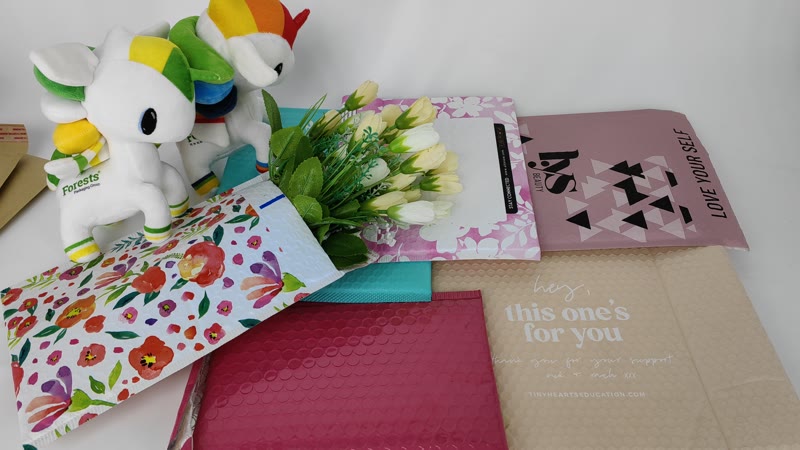
Quick Summary: Recycled vs Recyclable Packaging

The short answer: recycled packaging describes what went into the package; recyclable packaging describes what may happen to it after use.

  • Recycled means the package contains recovered material; PCR means that material came from used and discarded consumer or business products.
  • Recyclable means a realistic collection, sorting, processing, and end-market route exists for the complete package.
  • A package can be recycled, recyclable, both, or neither. The right choice depends on product protection, target-market access, evidence, cost, and supply.

Recycled vs Recyclable Packaging: The Core Difference

What is recycled packaging?

“Recycled” describes what the package is made from. A recycled-content package uses material recovered from a waste stream and converted into a new packaging material. The claim should be tied to a percentage and a defined material component, not used as a vague synonym for “green.”

Recycled content can be pre-consumer or post-consumer. Pre-consumer material usually comes from manufacturing scrap. Post-consumer recycled content, often called PCR packaging, comes from material used and discarded by consumers, then collected, sorted, processed, and made into a new input.

What is recyclable packaging?

“Recyclable” describes what may happen after use. Packaging is recyclable only when a realistic pathway exists to collect, sort, process, and sell the recovered material into a new product. A technically recyclable structure may still be unlikely to be recycled if local collection, facility capability, or end-market demand is missing.

Material origin versus end of life

Decision questionRecycled packagingRecyclable packaging
What does it describe?Where some material came fromWhat the package may become after use
Main evidenceRecycled-content percentage and documentationCollection, sorting, processing, and end-market evidence
Typical limitationStrength, appearance, supply, or compliance may changeLocal access and mixed components may block recovery
ExampleA mailer made with 60% PCR filmA mono-material paper mailer accepted in a defined program

The terms are not interchangeable. A virgin paperboard carton may be recyclable but not recycled. A package may contain recycled material but become difficult to recover because of a laminate, coating, adhesive, or incompatible component.

Can Packaging Be Both Recycled and Recyclable?

Yes. A corrugated shipping box made with verified recycled fiber and accepted in a local paper-recycling route can satisfy both descriptions. But the result depends on the full packaging system, including labels, tape, inks, coatings, inserts, and contamination.

There are four useful outcomes:

  • Recycled and recyclable: recovered material is used, and a practical recovery route exists.
  • Recycled but not readily recyclable: the package contains recovered content, but mixed layers or limited facilities make recovery difficult.
  • Recyclable but not recycled: virgin paper, glass, metal, or plastic has a viable recovery route but contains no recycled input.
  • Neither: the package uses virgin or unrecovered material and has no realistic recovery pathway.

The best option is not automatically the package with the highest recycled percentage. Product protection, filling performance, shipping damage, food or cosmetic requirements, and market-specific rules still matter.
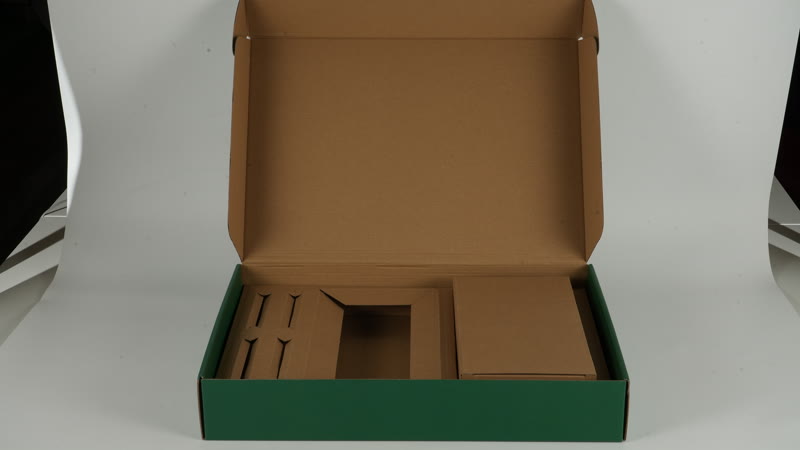
What Is Post-Consumer Recycled Packaging?

Post-consumer recycled packaging contains material recovered after a consumer or business has used and discarded it. PCR is different from pre-consumer recycled content, which commonly comes from factory offcuts or process scrap before the material reaches the user.

Ask suppliers to report total recycled content, PCR content, and pre-consumer content separately. That makes the claim easier to compare and prevents a high total percentage from hiding a very small PCR share.

More PCR is not always better for every application. Recycled feedstock can affect color, odor, surface uniformity, strength, sealing, food-contact suitability, and supply consistency. For a flexible pouch, rigid plastic component, or protective insert, the correct question is: what percentage meets the performance and compliance brief for this product and market?

For paper packaging, FSC-related documentation can help verify responsible or recycled material claims when the relevant product and supply chain are within scope. The FSC chain-of-custody system tracks forest-based material through the supply chain; it is not a blanket statement that every item from a supplier is FSC-certified.

Technically Recyclable vs Actually Recycled

A useful recyclability review follows the material rather than stopping at a symbol on the pack:

  1. Collection: Is the format commonly collected where the package is sold? Curbside, commercial, store drop-off, and take-back routes are not equivalent.
  2. Sorting: Can the facility identify and sort the package? Very small pieces, unusual shapes, dark colors, and attached materials can create problems.
  3. Processing: Can the material be cleaned, separated, pulped, melted, or otherwise processed by available equipment?
  4. End market: Is there a buyer for the recovered output? A theoretical process is not a functioning recycling system without demand.
  5. Consumer effort: Must the user wash, separate, remove a liner, or take the item somewhere special?

Mono-material construction is often easier to assess than a multi-layer composite, but protection needs may require barriers or mixed structures. The right design is the simplest structure that meets the product’s real requirements without increasing damage or spoilage.

Recycled Packaging Examples by Material

Corrugated boxes and paper mailers

Corrugated boxes and paper mailers can offer strong recycled-content potential and familiar paper recovery routes. Wet products, heavy coatings, excessive tape, food residue, and attached plastic parts may reduce practical recovery. Confirm the board grade, liner, print process, coating, and destination-market instructions before making a claim.

Molded fiber packaging

Molded fiber can use recovered fiber and provide cushioning for products, gift sets, or protective components. Check moisture resistance, compression performance, fit, dust, and whether any coating or adhesive changes the disposal route.

Flexible plastic mailers and pouches

PCR film may be available for some mailers or pouches, but the exact resin, film structure, seal, print, and market route matter. Store drop-off is different from curbside collection, and a recyclable outer does not make every attached label or insert recyclable.

Rigid plastic, glass, and metal

Rigid plastic recyclability depends on resin type, color, shape, closures, labels, and local processing. Glass and metal often have established recovery routes, but weight, breakage, energy use, and transport impact can change the overall decision.

Composite packaging

Laminates and composite formats can provide strong moisture, oxygen, light, or grease barriers. That performance may be essential for food, supplements, or sensitive products, but the layers can be difficult to separate. Do not label a package based on the primary layer alone; review the complete construction.

Two Real Packaging Decisions

Recycled and Recyclable Are Not the Same

One client wanted a premium sustainability story. The other needed a packaging structure that could survive strict European recycling rules. Here is how the two projects took completely different paths.

01 Recycled Material

A Luxury Gift Box Built Around Recycled Content

📍 Melbourne, Australia Mar–Jul 2024 Premium Skincare
The brief sounded simple: make the box look luxurious, but ensure the sustainability claim was visible, measurable and credible. The difficulty was keeping the premium opening experience after replacing several conventional materials.
📦

85% Post-Consumer Recycled Board

The rigid greyboard was upgraded to a recycled-content structure, paired with tactile recycled specialty paper and GRS certification.

🌿

EVA Foam Removed

The original virgin EVA insert was replaced with a molded recycled paper-pulp tray engineered to lock each skincare product firmly in place.

Luxury Finish, Less Plastic

Plastic lamination was removed. Soy-based ink, selective foil stamping and embossing retained the high-end look without overloading the box with decorative materials.

85% Recycled board content
0 Virgin EVA inserts
GRS Certified material claim
What happened next

After several prototype rounds, Forests corrected the closing tension, tray tolerance and opening resistance. The final boxes entered mass production and were shipped to Melbourne for retail launches and sustainability-focused social campaigns.

Best for Premium gift sets, ESG storytelling and brands that want to highlight recycled material content.
Watch out for Recycled board may not be ideal for extremely heavy products or packaging requiring maximum long-term rigidity.
02 Recyclable Mono-Material

A Cosmetic Gift Box Redesigned to Enter the Paper Bin

📍 Germany, Europe Feb–Jun 2025 Mass-Market Cosmetics
This was not mainly a branding project. The German client needed to eliminate mixed-material components that could disrupt recycling, delay compliance approval or create customs risks under evolving EU rules.
📄

One Material Family

The entire gift box was rebuilt around paperboard, removing PET film, plastic fittings and difficult-to-separate composite layers.

🧲

Magnets Replaced by Paper Locks

Plastic magnetic closures were removed and replaced with a paper locking structure that kept the box functional while remaining compatible with paper recycling.

🖨️

Cleaner Printing and Adhesives

Washable water-based inks and recycling-compatible adhesives were selected, while the inner tray was rebuilt entirely from folded paper.

100% Paper-based structure
0 Plastic accessories
1 Bin No material separation
What happened next

The redesigned packaging passed the client’s EU compliance review and moved into large-volume production. After unboxing, German consumers could place the complete pack directly into the paper recycling stream.

Best for EU exports, high-volume cosmetic sets and brands prioritizing practical end-of-life recyclability.
Watch out for Decorative finishes and closure options are more limited because every component must remain compatible with paper recycling.

Which Is More Sustainable: Recycled or Recyclable Packaging?

There is no universal winner. Recycled content can reduce demand for virgin inputs and support markets for recovered material. Recyclability can keep a package in circulation after use. Neither benefit is guaranteed if the package fails in production, causes product damage, or cannot reach an appropriate recovery system.

For procurement, use a simple scorecard:

FactorSuggested weight
Product protection and compliance30%
Practical recyclability in the target market20%
Verified PCR or recycled content15%
Material efficiency and shipping weight10%
Supplier evidence and traceability10%
Customer disposal convenience10%
Cost and supply stability5%

Start with product weight, fragility, moisture, temperature, shelf life, filling method, shipping route, and required documents. Then compare recycled-content options, recovery pathways, sampling results, total cost, and claim wording. A lighter package that causes breakage is not an automatic sustainability improvement.

How to Verify Claims and Avoid Greenwashing

Before approving a recycled or recyclable packaging claim, request:

  • total recycled content, PCR content, and pre-consumer content as separate percentages;
  • a material specification, supplier declaration, and relevant test results;
  • certification details, current validity, and the exact product or component covered;
  • disposal instructions for the destination market;
  • confirmation of whether the claim covers the whole package or only one component.

Avoid unsupported words such as “fully sustainable,” “eco-friendly,” or “100% recyclable.” Use specific language instead: “Made with 80% recycled content, including 60% PCR,” or “Check local acceptance before recycling.” The FTC Green Guides advise that environmental claims need competent and reliable evidence and that recyclable claims may need qualification where appropriate facilities are not broadly available.

The EPA recycling system overview describes recycling as a chain of collection, processing, and remanufacturing, not just a material symbol.
What This Means for a Custom Packaging Project

Forests Packaging Group can review packaging as a connected project rather than a standalone material claim. Since 2006, company materials record service to 10,000+ brands across 153 countries and regions, supported by seven wholly owned subsidiaries. The Shanghai Intelligent Factory combines AI, data systems, AGV industrial robots, and IoT technology to connect planning, production, inspection, packing, and delivery.

That matters when a sustainability brief also includes paper bags, folding cartons, rigid boxes, pouches, mailers, inserts, or shipping packaging. Through the custom packaging product range, buyers can compare formats. FSC paper options, BRCGS, BSCI, ISO systems, FDA/RoHS reports, EPR, EUDR, and GPSR discussions are reviewed by project, material, product, and target market—not assumed for every item.

The Intelligent Factory page explains the manufacturing and quality workflow.

FAQs

Is recycled packaging always recyclable?

No. Recycled packaging may contain laminates, coatings, adhesives, or mixed components that make practical recycling difficult. Check the complete package and local recovery route.

Can recyclable packaging be made from virgin material?

Yes. Recyclability describes a possible end-of-life pathway; it does not say whether the original package contains recycled material.

Is post-consumer recycled content better than pre-consumer content?

PCR comes from material used and discarded by consumers or businesses, while pre-consumer content usually comes from manufacturing scrap. Compare both by percentage, performance, documentation, and intended market.

Does the recycling symbol prove that packaging is recyclable?

No. A symbol may identify a resin or communicate a claim, but it does not prove that local facilities collect and process the complete package. Confirm the disposal route.

What should I ask a packaging supplier about sustainability?

Ask for recycled, PCR, and pre-consumer percentages; material specifications; certification scope; component-level recyclability; market-specific disposal guidance; sample performance; and evidence supporting the proposed claim.

Conclusion: Evaluate Both Sides of the Package

Recycled packaging concerns material origin. Recyclable packaging concerns end-of-life potential. A credible packaging decision brings both together with product protection, verified PCR content, compatible components, realistic recovery access, and clear disposal instructions.

The best next step is to send the product dimensions, weight, quantity, material preference, artwork status, target market, sustainability goal, and deadline for a structured review. You can request a packaging review or quote and ask which claims can be documented for the exact package.
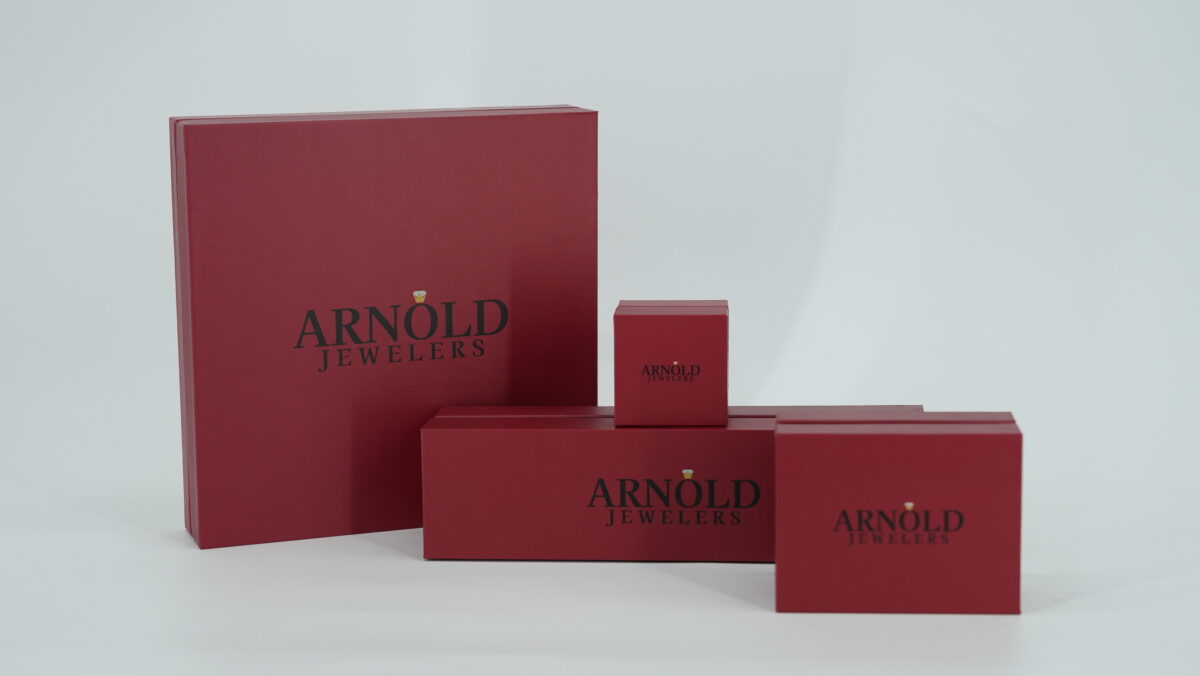
Box Dimensions Explained: How to Measure Length, Width, and Height

Quick Answer: What Do Box Dimensions Mean?

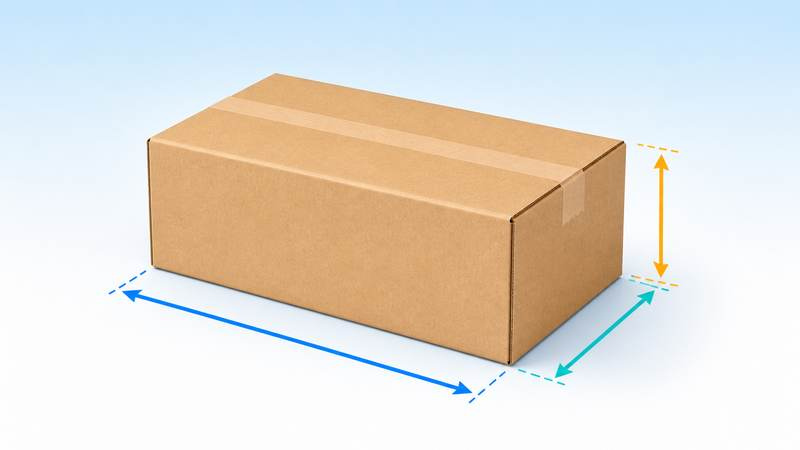
Box dimensions are usually written as Length × Width × Height, or L × W × H. Length and width describe the two sides of the base or opening. Height is the perpendicular distance from the base to the top; in some packaging specifications, it may also be called depth.

Correct measurements affect product fit, cushioning, storage, packaging quotations, pallet planning, and shipping charges. Before ordering a custom box, confirm the unit, orientation, and whether the supplier needs internal or external dimensions.

Key takeaways:

  • Use L × W × H as the starting convention, but follow the supplier’s labeled diagram.
  • Use internal dimensions for product fit and custom packaging development.
  • Use external dimensions for carriers, warehouses, and pallet planning.
  • Measure the assembled, closed package unless the instructions say otherwise.
  • Include clearance, cushioning, inserts, board thickness, and closure space in the final specification.

Box Dimensions: What Length × Width × Height Means

What Is the Standard Box Dimension Order?

The common order is length first, width second, and height third. A box listed as 12 × 8 × 6 inches is therefore normally understood as 12 inches long, 8 inches wide, and 6 inches high.

This is a common convention, not a universal rule. Retail listings, packaging suppliers, furniture specifications, and carriers may label the same sides differently. When fit, printing orientation, or freight cost matters, use the supplier’s diagram rather than guessing from the number order.

Which Side Is Length, Width, or Height?

For a regular rectangular box, length is generally the longer edge of the base or opening, and width is the shorter adjacent edge. Height runs from the base to the top. A tall box may have height as its largest number, while a square box may have identical length and width.

TermPractical definitionCommon use
LengthLonger base edge or labeled primary dimensionFit and carton specifications
WidthShorter adjacent base edgeFit, stacking, and pallet planning
HeightBase-to-top measurementProduct clearance and storage
DepthOften another name for heightConfirm with the supplier’s diagram

What Do L × W × H, LxWxH, and L × W Mean?

L × W × H and LxWxH normally express the same three-dimensional measurement. The multiplication sign and the letter “x” are formatting variations. For example:

12 × 8 × 6 = 576 cubic inches

L × W describes only two dimensions. It may be enough for a flat sheet, label, opening, or fixed-height product, but it does not fully specify a three-dimensional box. A packaging supplier may still need the product depth, closing height, board thickness, insert design, and measurement type.

Changing the number order can change the box’s orientation even when the volume stays the same. The opening, front panel, print direction, insert geometry, stacking pattern, and shipping profile may all be different. Label each measurement before sending an RFQ.

Height and depth are sometimes interchangeable in packaging, but not in every industry. Follow the labeled diagram instead of relying on terminology alone.

Foam Box Dimension Case
Real sales case | Foam box sizing

One box size is not always one packaging solution.

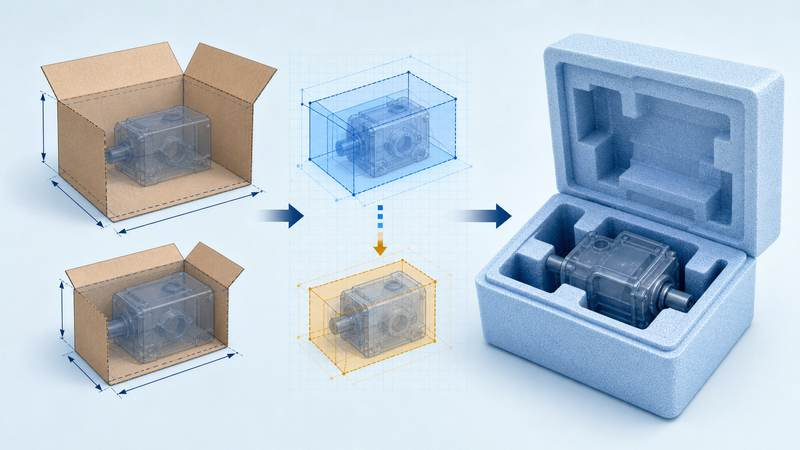
A foam-box order became a fit-and-cost decision: protect two carton sizes, compare available sizes, and check whether a custom mold was necessary.

2carton sizes
0.44 infit adjustment discussed
RMB 20k-30kestimated mold range

Product cartons

8 x 6 x 4 inShort version
8 x 6 x 7 inTall version

Recommended foam boxes

7.56 x 5.55 x 3.58 inShort version
7.56 x 5.55 x 6.57 inTall version

Custom mold

Choose this route when the protection structure or required size cannot match an existing option.

Existing size

Compare stock sizes first. A small size compromise may remove tooling cost and simplify production.

Buyer takeaway: send product dimensions, clearance, quantity, destination, and protection requirements together. The fit logic can change the quotation.

Internal sales-case preview; customer names omitted. The 5.55-inch dimension follows the case screenshot and should be confirmed before publication.

How to Measure a Box Correctly

Tools and Position

Use a rigid ruler or tape measure, a flat surface, and a measurement worksheet or notes app. Place the box in its intended upright orientation and identify the base, opening, front panel, and closing direction.

Five Measurement Steps

  1. Measure the length. Measure the longer side of the base or opening. Keep the tool straight; do not measure diagonally.
  2. Measure the width. Measure the shorter adjacent side of the same base or opening.
  3. Measure the height. Measure perpendicular to the base, from bottom to top. Do not include open flaps unless instructed.
  4. Repeat the measurements. Measure every side twice and investigate differences.
  5. Record L × W × H with the unit. Write 16 × 12 × 10 in or 406 × 305 × 254 mm. Never mix inches, centimeters, and millimeters.

Measurement Checklist

  • Confirm internal or external dimensions.
  • Check whether lids, handles, padding, flaps, and protrusions count.
  • Photograph the labeled measurements for supplier verification.
  • Separate product size, usable internal box size, and maximum external package size.
  • For a soft or damaged package, record its maximum natural dimensions without compressing it.

For a custom order, send a marked-up photograph, sketch, or reference sample if the orientation could be misunderstood. This small step can prevent a complete dieline or quotation revision.

Internal vs External Box Dimensions

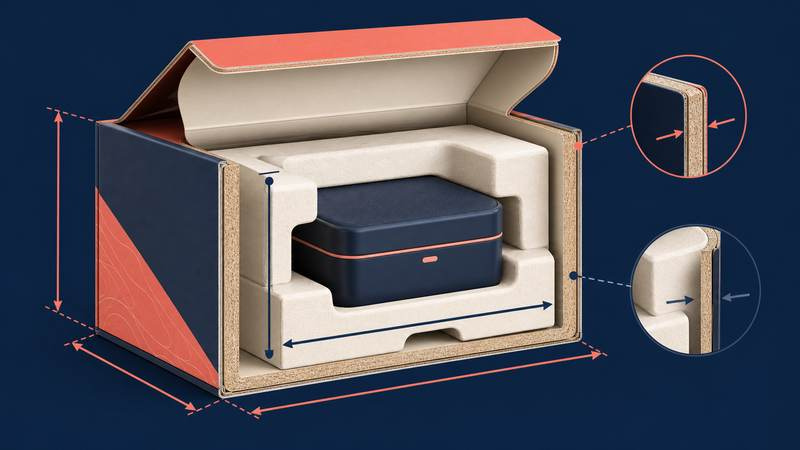
Internal dimensions describe the usable space inside the box. They are normally the most important measurements for product fit, cushioning, inserts, dividers, and custom packaging development.

External dimensions describe the total outside size of the assembled package, including material thickness and external features. They matter more for carrier entry, warehouse storage, pallet planning, carton loading, and shipping calculations.

RequirementUsually useReason
Product fitInternal dimensionsShows usable space
Custom packaging RFQInternal dimensions plus product detailsHelps design around the product and protection method
Carrier shipment entryExternal dimensionsThe carrier measures the package it handles
Warehouse or pallet planningExternal dimensionsDetermines footprint and stack height
Insert or divider designInternal dimensionsDefines component space

Board thickness creates a difference between internal and external sizes. Double-wall corrugated board, folds, compression, and inserts can make the difference larger. Confirm the finished-dimension convention, board grade, structure, and tolerance before bulk production.

Gift Box EVA Insert Case
Real sales case | Gift box fit review

When 3 mm decides whether the gift box works.

A camera-accessory gift-box project showed why the insert, slots, sleeve, and outer box must be checked as one system.

3 mmEVA thickness discussed
4fit or finish issues found

Product + EVA insert + sleeve + outer box

Gift box
+
01

Adhesion

The EVA insert showed bonding and deformation concerns.

02

Slot size

Incorrect grooves affected accessory fit and closure.

03

Sleeve fit

The sleeve was larger than the gift box and showed surface defects.

Buyer takeaway: include product dimensions, insert thickness, slot size, sleeve size, and a packed-sample photo in the RFQ. The outside box size alone is not enough.

Internal sales-case preview; customer and brand names omitted.

Different Box Shapes and Product Fit

Tall boxes may have height as the largest number, while flat boxes may have a very small height. The agreed order remains L × W × H. Long, narrow boxes should be measured from the intended base; do not automatically relabel the longest overall side as length.

Square boxes can have equal length and width, but orientation may still matter for graphics, labels, and inserts. For irregular or bulging packages, measure the maximum outside points and follow the carrier’s rules. Boxes with lids, handles, or other protrusions should have both usable internal dimensions and maximum external dimensions recorded when they will be shipped.

Product dimensions are not box dimensions. A package may need space for clearance, cushioning, inserts, dividers, and closure. The allowance depends on product fragility, movement during transit, protection method, and manufacturing tolerance; there is no universal extra-space number.

For example, a product measuring 10 × 6 × 3 inches may need additional space for an insert and top protection. Calculate the required internal box size from the actual protection plan, then check board thickness and the resulting external size. A trial pack should confirm movement, compression, insert position, and closure before production approval.

For suitable formats, review our custom packaging products and compare box, mailer, insert, and accessory options.

A Real Quote Shows Why Quantity and Dimensions Belong Together

A Forests internal sales-close review for a custom black hat box compared four quantities: 200 pieces at $1,206; 250 at $1,292; 300 at $1,349; and 500 at $1,594. The follow-up also confirmed pictures, a cutting template, dimensions, and inner material. The practical lesson is simple: an RFQ should include dimensions, quantity, structure, lining or insert requirements, and artwork status together. These details shape the quotation and the production plan.

Box Volume and Dimensional Weight

The rectangular box volume formula is:

Volume = Length × Width × Height

A 12 × 8 × 6 inch box has a volume of 576 cubic inches. Volume is not the same as usable capacity because board thickness, inserts, cushioning, and irregular products reduce the available space.

Dimensional weight is different again: it converts package volume into a carrier pricing weight. The divisor, rounding method, service, and destination may differ. Check current carrier rules before putting a formula into a shipping SOP. Useful official references include the UPS package dimensions guide, the FedEx Service Guide, and the USPS commercial parcel rules.

A Simple Decision Framework

  1. Identify the task: product fit, custom packaging, shipping, or storage?
  2. Choose the measurement type: internal for fit; external for carriers and warehouses.
  3. Confirm the order: check L, W, H, or D labels and the supplier diagram.
  4. Apply tolerances: include clearance, cushioning, board thickness, and manufacturing tolerance.
  5. Test the result: verify fit, closure, movement, stacking, or shipping cost.

Before submitting a custom order, check that the units are present, the box was measured twice, the internal/external type is confirmed, and the intended orientation is clear. If any of these points is missing, the specification is not ready.

Common Measurement Mistakes

Wrong Dimension Order

Label every side before recording the numbers. A marked-up photo is safer than an unlabeled string of measurements.

Product Size Used as Box Size

Keep separate records for product dimensions, internal box dimensions, and external package dimensions.

External Size Used for Product Fit

Use usable internal space for the product, insert, and cushioning. External measurements can look correct while the product still cannot close safely inside.

Ignoring Material Thickness or Open Flaps

Ask for the supplier’s finished-dimension convention and board information. Measure the assembled, closed box unless the specification says otherwise.

Rounding Too Early

Keep precise numbers until the final calculation. Round only when the supplier or carrier requires it.

FAQs

1. What order do box dimensions go in?

They usually go in Length × Width × Height, or L × W × H. Length is generally the longer base edge, width is the shorter adjacent edge, and height runs from the base to the top. Follow the supplier’s diagram when available.

2. Is height the same as depth?

Height and depth are often used interchangeably in packaging, but not in every industry. Check the supplier’s labels or diagram before recording the measurement.

3. Should I use internal or external box dimensions?

Use internal dimensions for product fit, inserts, and custom packaging. Use external dimensions for shipping, storage, pallet planning, and carrier calculations.

4. How do I calculate box volume?

Multiply length by width by height using the same unit. A 12 × 8 × 6 inch box has a volume of 576 cubic inches, but its usable capacity is lower if board, inserts, or cushioning take up space.

5. What should I send a packaging supplier?

Send product dimensions and weight, required internal or external size, quantity, material preference, artwork status, protection needs, destination market, and deadline. A labeled sketch or photograph can prevent orientation errors.Box Dimensions Explained: How to Measure Length, Width, and Height

5. What should I send a packaging supplier?

Send product dimensions and weight, required internal or external size, quantity, material preference, artwork status, protection needs, destination market, and deadline. A labeled sketch or photograph can prevent orientation errors.Box Dimensions Explained: How to Measure Length, Width, and Height

Conclusion

Box dimensions are normally written as Length × Width × Height, or L × W × H. Length and width describe the base or opening, while height runs perpendicular to it. L × W alone does not fully describe a three-dimensional box.

Use internal dimensions for product fit and custom packaging, and external dimensions for shipping, storage, and pallet planning. Confirm the terminology, orientation, units, measurement type, material thickness, and tolerance before ordering. Accurate measurements reduce fit problems, packaging waste, quotation errors, and unexpected shipping charges.

Need Help Choosing a Box Size?

Forests Packaging Group has supported global packaging projects since 2006, with company materials recording 10,000+ brands served across 153 countries and regions through seven wholly-owned subsidiaries. We connect your brief to structure review, material matching, sampling, production planning, inspection, and delivery coordination. Learn more about the Intelligent Factory workflow, then request a custom packaging recommendation or quote with your product size, weight, quantity, material, artwork status, destination market, and deadline.

Custom Packaging Design: From Idea to Production

Custom packaging design is more than choosing colors and placing a logo on a box. A successful package must protect the product, communicate the brand, fit the sales channel, and work smoothly in production. This guide explains how to move from an initial concept to a tested, production-ready package.

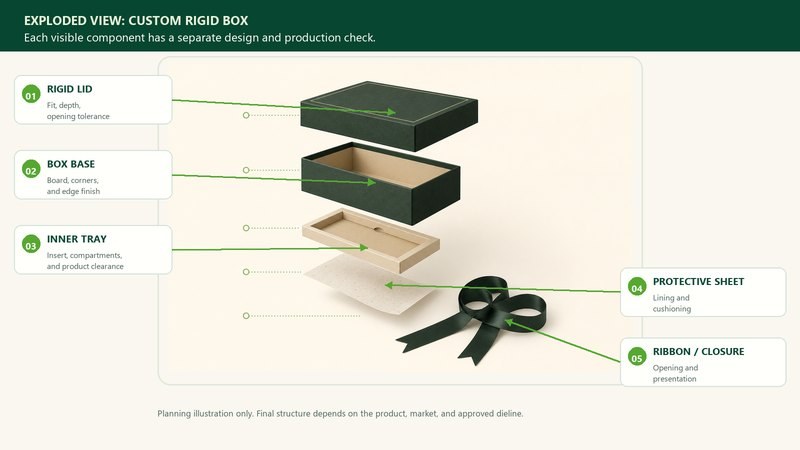
Exploded view of a custom rigid box showing the rigid lid, box base, inner tray, protective sheet, and ribbon closure

Quick Answer: What Makes Custom Packaging Design Successful?

The strongest custom packaging design connects brand presentation with real production requirements. Before approving the artwork, define the product, customer, sales channel, structure, materials, required information, and delivery plan.

  • Start with the product, customer, and sales channel.
  • Choose the packaging structure and material before finalizing the artwork.
  • Prepare accurate dimensions, product information, and brand assets.
  • Test the package through dieline review, sampling, and approval.
  • Confirm production, inspection, compliance, and shipping requirements before placing the order.

What Is Custom Packaging Design?

Custom packaging design combines appearance, structure, materials, and function in one product-specific package. It includes more than the graphic layout. The final design must also account for dimensions, folding, gluing, filling, product protection, printing, finishing, storage, and transportation.

A package may look attractive on a screen but still fail during folding, filling, stacking, or shipping. That is why a production-ready design needs to be reviewed by both creative and manufacturing teams.

Custom Packaging Design Combines Appearance and Function

The visual side of packaging includes color, typography, imagery, logo placement, and surface finishes. The functional side includes the package format, material thickness, closure, inserts, load-bearing performance, and ease of opening.

Good design makes these two sides work together. A premium rigid box may create a strong unboxing experience, while folding carton packaging may offer efficient storage and retail presentation. The right decision depends on the product and the route it will take from factory to customer.

Custom Packaging Design vs. Standard Packaging

Standard PackagingCustom Packaging Design
Fixed sizes and formatsProduct-specific dimensions and structures
Limited branding optionsCustom artwork, materials, and finishes
Faster to selectMore flexibility for protection and presentation
May create unused spaceCan improve product fit and shipping efficiency

Custom packaging is not automatically better in every situation. It becomes valuable when the product, brand, customer experience, or shipping requirements cannot be served well by a standard format.

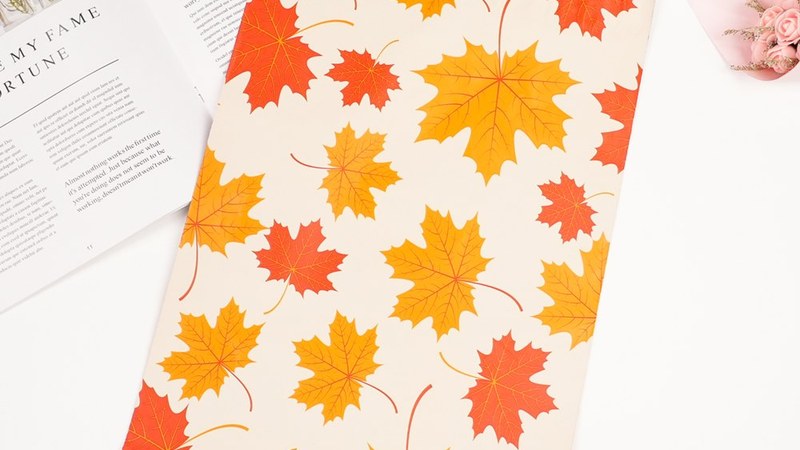
Bright printed stand-up pouch packaging example for custom packaging design

How to Choose the Right Packaging Design for Your Product

Before opening a design program, answer three questions: What is the product? Who is buying it? How will it reach the customer? These answers shape the structure, material, artwork, and production method.

What Is the Product?

Start with the practical details. Record the product dimensions, weight, fragility, shelf life, filling method, and protection requirements. Does it need to stay dry, sealed, cushioned, or separated from other items?

A fragile product may need an insert or protective layer. A food product may need suitable material documentation and clear product information. A heavy item may require a stronger board or a different structural design. The packaging should be designed around the product, not the other way around.

Who Is the Customer?

Packaging should make sense to the person buying and using the product. A premium buyer may expect tactile materials and restrained finishes, while an e-commerce customer may care more about protection and an easy opening experience.

Brand consistency matters as well. Colors, typography, logo placement, and tone should connect the package with the website, product page, inserts, and social content.

Where Will the Product Be Sold?

Retail and e-commerce packaging have different jobs. Retail packaging needs strong shelf presence and fast product recognition. E-commerce packaging needs to protect the product, avoid unnecessary empty space, and create a positive unboxing moment.

Wholesale packaging also needs to consider carton loading, stacking, warehouse handling, and repeat ordering. A design that looks excellent on a product photograph may still be inefficient when packed by the case or pallet.

FORESTS PROJECT CASE 01

Premium Skincare Gift Box From concept design to mass production

A luxury gift box concept was transformed into a stable, premium and export-ready packaging solution.

Region Melbourne, Australia
Project Period March – July 2024
Packaging Type Skincare & Fragrance Gift Box
The Challenge

The original design looked premium but was not production-ready. Loose trays, weak board rigidity and incompatible finishes created risks during mass production.

Product Shaking Loose Closure Board Warping Finish Defects
How Forests Optimized It
01 Structural Adjustment

Box dimensions and production tolerances were recalibrated.

02 Material Upgrade

Higher-stiffness board improved closure and shape stability.

03 Precision Inner Tray

Custom inserts eliminated gaps and prevented product movement.

04 Finish Optimization

Hot stamping, embossing and lamination parameters were refined.

Prototype Validation
✓ Assembly Test ✓ Closure Test ✓ Color Check ✓ Finish Test
Production-Ready Result

The approved sample entered mass production with stable structure, consistent finishing and export-grade quality control.

What Information Do You Need Before Starting Custom Packaging Design?

Preparing the right information early reduces revisions and helps the packaging supplier recommend a structure that can actually be produced.

Product Specifications

  • Product name and application
  • Finished product dimensions and weight
  • Filling or packing method
  • Required protection level
  • Target market and shipping destination
  • Expected quantity and delivery date

Brand Assets

Prepare a vector logo, brand colors, CMYK or Pantone references, fonts, product photography, and any existing brand guidelines. Vector artwork helps the logo remain sharp at different package sizes, while high-resolution images reduce the risk of blurry printing.

Required Packaging Information

Depending on the product and market, the package may need a product name, ingredients, specifications, barcode, nutrition information, batch number, expiration date, usage instructions, recycling marks, or other compliance information. For food products, review the FDA’s guidance on food-contact substances early in the design process. If the package will enter retail or distribution channels, confirm barcode requirements using GS1 barcode standards.

Variable information should be considered early. Food, cosmetic, and batch-produced products may need space for dates, codes, stickers, or labels that change from one production run to another.

Budget, Quantity, and Timeline

Packaging cost is influenced by material, printing method, finishes, tooling, sampling, quantity, packing, shipping, and delivery requirements. A lower unit price is not always the lowest total cost if the package creates filling problems, damage, rework, or delivery delays.

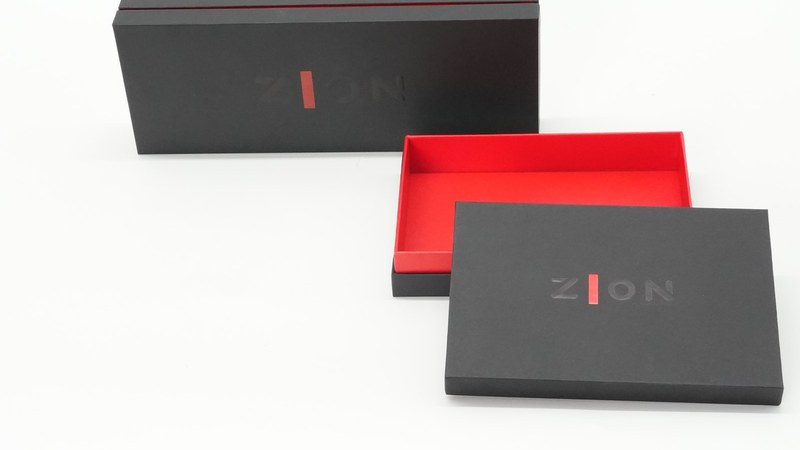
Custom rigid box packaging shown open and closed for structural design reference

How to Design Custom Packaging From Idea to Production

A reliable custom packaging design workflow moves through clear checkpoints. Each checkpoint gives the buyer an opportunity to confirm what is happening before the project reaches the next stage.

Step 1: Review the Product and Packaging Requirements

Confirm the product type, dimensions, material preference, quantity, target market, filling method, destination, and required delivery date. This information creates the project brief used by design, sampling, production, and logistics teams.

Step 2: Select the Packaging Structure and Material

Choose the format according to product protection, presentation, storage, and shipping needs. Options may include folding cartons, rigid boxes, mailer boxes, paper bags, flexible pouches, inserts, or protective components.

At this stage, evaluate board thickness, surface, folding method, closure, insert design, and finishing. A material decision made too late can force unnecessary artwork changes.

Step 3: Develop the Artwork and Dieline

The artwork and dieline should be reviewed together. Confirm finished dimensions, bleed, fold lines, cut lines, glue areas, safe zones, barcode placement, text readability, and color references.

The dieline is not decoration. It is the manufacturing map that shows how the flat sheet becomes the finished package.

Step 4: Create a Physical Sample

A physical sample helps verify dimensions, product fit, folding, opening, stability, color, finish, and filling. It can also reveal problems that are easy to miss in a digital mockup, such as a tight opening, weak corner, or unreadable panel.

Step 5: Approve the Sample as the Production Reference

Once the sample is approved, record the confirmed dimensions, materials, artwork, colors, finishes, packing method, and inspection requirements. The approved sample should become the reference for mass production.

Step 6: Move the Approved Design Into Production

An integrated factory workflow helps reduce handoff errors between artwork review, sampling, production, and inspection. It also makes it easier to identify manufacturing constraints before the order reaches the production line.

Forests Packaging Group connects custom packaging development with an Intelligent Factory, supporting the transition from approved sample to repeatable production.

Step 7: Inspect and Pack the Finished Packaging

Quality checks may include material condition, print consistency, color accuracy, structural dimensions, folding and gluing, surface finish, quantity, and export packing. The inspection scope should match the package format and the buyer’s requirements.

Step 8: Coordinate Shipment and Delivery

Packaging design should consider the final transport route. Carton loading, palletization, transit protection, shipping documents, destination, and delivery date can all affect the most suitable structure and packing method.

Custom Packaging Design Tips for Better Results

Design for the Product, Not Just the Screen

Review the design through actual folding, filling, stacking, and transportation conditions. A realistic sample is more useful than a beautiful image that has never been tested.

Keep the Main Message Clear

The front panel should quickly communicate what the product is, who it is for, and why it matters. A clear visual hierarchy usually performs better than a package filled with competing messages.

Match Materials to the Product Experience

Material texture, weight, gloss, and finish should support the product’s positioning. Finishes are most useful when they improve recognition, touch, protection, or perceived value rather than simply adding complexity.

Leave Space for Variable Information

Plan space for batch codes, expiration dates, variable labels, barcodes, and regulatory information before the artwork is finalized. This prevents the finished package from looking crowded or incomplete.

Think About Reordering

Keep the final artwork, approved dieline, color references, material specifications, and sample approval records together. Good documentation makes future orders more consistent and reduces repeated clarification.

Common Custom Packaging Design Mistakes

Choosing the Structure Too Late

If the visual design is completed before the structure is confirmed, the artwork may need to be redesigned. Confirm the package format, dimensions, and material before finalizing the graphics.

Using Low-Resolution Artwork

Low-resolution images and raster logos can become blurry when enlarged. Use vector logos and high-resolution images whenever possible.

Ignoring the Filling Method

A package designed without considering manual or machine filling may slow down packing or create fit problems. Confirm how the product will be inserted, sealed, and handled.

Skipping Physical Sampling

Direct mass production removes the opportunity to catch structural, color, opening, and filling problems at a lower cost. Sampling is a risk-control step, not an unnecessary delay.

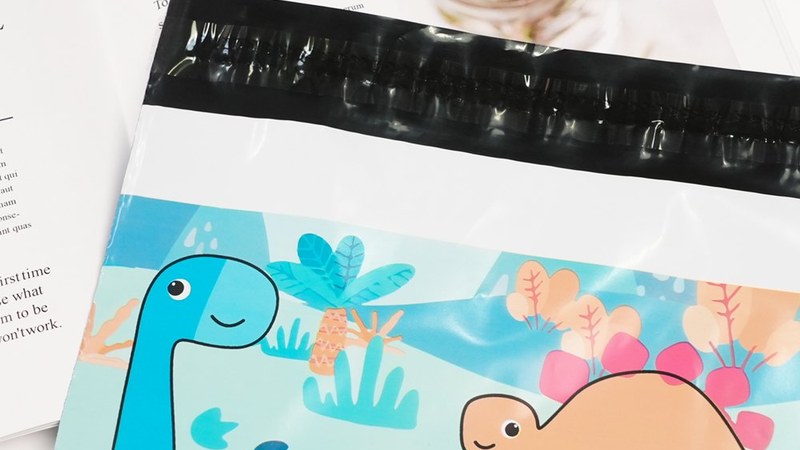
Bright custom food packaging pouch example for product and market-specific packaging design

Custom Packaging Design Ideas by Application

Food and Beverage Packaging

Prioritize product protection, suitable material documentation, clear product information, shelf visibility, and moisture or grease resistance where needed.

Beauty and Skincare Packaging

Use structure, color, texture, and finishing to communicate product positioning. Inserts and presentation details can also improve the opening experience.

E-commerce and Shipping Packaging

Focus on impact protection, efficient dimensions, easy opening, reduced empty space, and branded unboxing. The package should look intentional without creating unnecessary shipping volume.

Gift and Premium Packaging

Rigid structures, magnetic or drawer-style openings, foil stamping, embossing, and carefully designed interiors can create a more memorable presentation.

Retail and Product Launch Packaging

Retail launch packaging needs clear hierarchy, shelf impact, product differentiation, and a design system that can be repeated across product variants.

FORESTS PROJECT CASE 02

E-commerce Mailer Box From basic carton to fulfillment-ready packaging

A loose, filler-heavy mailer box was rebuilt into a more protective, efficient and brand-ready shipping system.

Region Los Angeles, California, USA
Project Period August – November 2024
Packaging Type Custom E-commerce Mailer Box
The Challenge

Excess internal space caused product movement and transit damage. Extra fillers slowed warehouse packing, while basic printing weakened the unboxing experience.

Before & After
Before Loose and filler-heavy

Oversized space required bubble filling and allowed products to shift.

After Integrated locking structure

A fitted insert secured the product and simplified warehouse packing.

How Forests Upgraded It
01 Right-Sized Box

Dimensions were recalculated around product size and shipping weight.

02 Integrated Insert

A card-style structure replaced loose bubble fillers.

03 Faster Packing

The self-lock design improved forming, loading and sealing speed.

04 Better Unboxing

Printing was refined for a more professional brand experience.

Prototype Validation
✓ Drop Test ✓ Stacking Test ✓ Packing Test ✓ Fit Check
Fulfillment-Ready Result

The final system was prepared for overseas warehousing, sea freight, order fulfillment and last-mile delivery.

How to Make Custom Packaging More Sustainable

Sustainable packaging decisions should consider the complete packaging system rather than one marketing label. Evaluate material weight, production waste, product protection, shipping efficiency, and end-of-life handling together. The EPA’s sustainable materials management framework also encourages a life-cycle view of material decisions.

Right-sized packaging can reduce unused space, material consumption, shipping volume, and product movement inside the package. Designing files and structures for repeat production can also reduce avoidable rework and waste.

How a Factory Helps Turn Packaging Design Into a Production-Ready Product

A packaging design is only successful when it can be produced consistently, packed efficiently, inspected properly, and delivered on schedule. This is where factory experience becomes important.

Forests Packaging Group supports buyers through artwork and dieline review, structural sampling, material selection, production, inspection, export packing, and delivery coordination. Connecting these stages through an integrated Intelligent Factory helps keep the approved design consistent from the first sample to the finished order.

FAQs About Custom Packaging Design

What is included in custom packaging design?

Custom packaging design can include the structure, dimensions, materials, artwork, printing, finishes, inserts, labels, and production-ready dielines.

How do I prepare artwork for custom packaging?

Prepare a vector logo, high-resolution images, correct brand colors, readable text, required product information, and a confirmed dieline with bleed and safe areas.

Why is a physical packaging sample important?

A physical sample confirms the actual size, structure, folding, opening experience, product fit, color, and finish before mass production begins.

Can custom packaging be designed for e-commerce shipping?

Yes. E-commerce packaging should balance product protection, compact dimensions, shipping efficiency, easy opening, and a branded unboxing experience.

How can I request a custom packaging design quote?

Provide the product type, packaging format, dimensions, material preference, quantity, artwork status, destination, and required delivery date so the supplier can recommend the right structure and production method.

Conclusion

Custom packaging design should balance brand presentation, product protection, production feasibility, and delivery requirements. The strongest results come from confirming the structure and materials early, reviewing the dieline carefully, testing a physical sample, and keeping the approved specification consistent through production.

The best package is not only attractive. It is practical, repeatable, manufacturable, and ready for the real world.

Turn Your Packaging Design Into a Production-Ready Package

Forests Packaging Group helps buyers move from packaging concept to production through artwork review, structural sampling, material selection, manufacturing, inspection, and export coordination. Our integrated Intelligent Factory helps reduce handoff errors and keep the approved design consistent throughout production.

Send us your product type, dimensions, material, quantity, destination, artwork, and deadline. Request a Custom Packaging Quote for a project-specific recommendation.

How Much Does Custom Packaging Cost?

Custom packaging cost is rarely just a price per box or bag. Materials, dimensions, printing, sampling, MOQ, compliance documents, freight, and delivery risk can all change the final number.

This guide explains how custom packaging pricing works, what buyers should prepare before requesting a quote, and how to avoid costly compliance and delivery problems.

Quick Answer: How Much Does Custom Packaging Cost?

There is no single price for custom packaging because every project combines different materials, structures, quantities, finishes, and delivery requirements. A folding carton, a flexible pouch, a corrugated mailer, and a rigid gift box may look like simple packaging products, but they use different production processes and cost structures.

Packaging typeMain cost factorsTypical applications
Folding cartonsBoard thickness, printing, die-cutting, finishingFood, beauty, and retail
Flexible pouchesFilm structure, barrier, zipper, sealingCoffee, snacks, supplements, and personal care
Mailer boxesBoard grade, dimensions, printing, shipping strengthEcommerce and subscription products
Rigid boxesBoard, wrapping, inserts, assembly, finishingGifts, beauty, and premium products
Paper bagsPaper weight, handles, printing, and finishRetail, fashion, and gifting

The lowest unit price is not always the lowest total cost. If a package fails in transit, lacks the documents required for its market, or arrives after a product launch, the “cheap” quote can become surprisingly expensive.

What Determines Custom Packaging Cost?

Packaging Format and Material

Material selection affects protection, appearance, weight, production method, storage, freight, and sustainability. Paperboard may suit lightweight retail packaging, while corrugated board may be more appropriate for shipping. Flexible films can reduce shipping volume, but they require the right barrier and sealing structure for the product.

Forests Packaging supports packaging formats including flexible pouches, food packaging bags, mailer boxes, folding cartons, rigid boxes, paper bags, and retail display packaging. The goal is not to recommend one material for every project. It is to match the structure to the product, sales channel, target market, and delivery plan.

Size, Dimensions, and Empty Space

Dimensions affect material usage, cutting layouts, product fit, warehouse space, and freight volume. A package that is much larger than the product may also require more filler and incur higher dimensional-weight shipping costs.

When requesting a custom packaging quote, provide the product length, width, height, weight, filling method, and protection requirements. Accurate dimensions allow the supplier to price the actual project instead of guessing from a product photo.

Printing, Finishes, and Special Features

Digital, offset, and flexographic printing have different setup and production economics. Lamination, soft-touch coating, foil stamping, embossing, spot UV, windows, inserts, and special closures can all increase the total packaging production cost.

Premium finishes should improve shelf impact, brand recognition, or the opening experience. If a finish does none of those things, it may simply be an expensive decoration wearing a very confident jacket.

Quantity, MOQ, and Tooling

Custom packaging involves artwork preparation, tooling or die preparation, machine adjustment, material preparation, inspection, and packing before the finished order is ready. On a small order, these setup costs are spread across fewer units, so the unit price is often higher.

MOQ depends on the packaging format, material, printing method, dimensions, finishing, and production requirements. Ask for several quantity breaks, such as 500, 1,000, 2,000, and 5,000 units, then compare unit cost, total cost, inventory pressure, and storage requirements together.

How MOQ Affects Custom Packaging Cost
Custom Packaging Cost Case

MOQ Changes Cost Through Setup Efficiency—not Material Price Alone

Very small orders carry the full burden of tooling and setup, while larger runs spread those costs across more units.

📦
Nanchang · Low MOQ

Only 5 Custom Boxes

5 units Dedicated custom order
+50%
✂️
New Cutting Die Tooling was still required for the tiny run.
⚙️
Production Setup Machine setup and line adjustment could not be avoided.
📈
Higher Unit Cost Setup costs were spread across only five boxes.
🏭
South Korea · Higher MOQ

3,500 Premium Gift Boxes

3,500 units Efficient production run
−10%
🔄
Higher Line Utilization The intelligent factory ran the line more efficiently.
Setup Cost Spread Tooling and setup were divided across thousands of units.
💰
Lower Unit Price Efficiency supported a price reduction of nearly 10%.
⚖️
The Practical Rule

Higher MOQ can lower unit cost by spreading setup expenses, while extremely small orders may cost more even when little material is used.

How Sampling and Lead Time Affect Total Cost

Why Physical Samples Matter

Custom food display box packaging for comparing custom packaging costs
A physical sample helps buyers review structure, fit, and finishing before bulk production.

A physical sample helps confirm dimensions, product fit, structure, colour, printing, material feel, opening experience, inserts, and sealing. A digital proof is useful for artwork placement, but it cannot fully show how a material feels or how a package behaves in a customer’s hands.

Sampling may add time and cost at the beginning, but it can prevent a much larger loss during bulk production. The price of one approved sample is usually small compared with replacing an entire batch made to the wrong specification.

The Packaging Production Workflow

Custom packaging factory equipment for production capacity and cost planning
Factory capacity and process visibility are part of the real packaging cost calculation.

A practical workflow usually follows this sequence:

Requirement Review → Quotation → Artwork and Dieline → Sampling → Sample Approval → Production → Inspection → Packing → Shipment

Each checkpoint answers a different buyer question. Requirement review reduces specification errors. Sampling confirms the physical result. Inspection protects batch consistency. Packing and shipment coordination help prevent delays after production is complete.

What Can Delay a Packaging Project?

Common causes include incomplete artwork, late approval, special material availability, complex structures, premium finishes, compliance review, production scheduling, and international freight. A realistic custom packaging lead time should cover more than the days spent on the production line.

Why Compliance Can Affect Packaging Cost

Compliance requirements can influence material selection, testing, documentation, sampling, and delivery planning. For food, cosmetic, pharmaceutical, and child-related products, buyers should identify the target market and required documents before approving bulk production.

Relevant food-contact documentation and test reports should be reviewed by scope. The document should match the material, product, manufacturing process, site, and destination market. Checking this early can prevent re-sampling, supplier changes, and avoidable delivery delays.

How to Reduce Custom Packaging Cost Without Sacrificing Quality

Choose the Right Structure

Start with the product’s weight, protection needs, filling method, storage conditions, sales channel, and shipping route. A premium rigid box may be unnecessary for a simple ecommerce shipment, while a lightweight structure may be unsuitable for a heavy or fragile product.

Compare Multiple Quantity Breaks

Ask suppliers to price several quantities at the same specifications. A larger order may reduce the unit price, but the saving should be compared with inventory, cash flow, storage, and the possibility of a future artwork change.

Use Finishes Selectively

Keep special finishes for high-impact areas such as a logo, product name, main visual, or premium opening feature. This protects the brand experience while avoiding unnecessary production steps across the entire package.

Plan Compliance and Delivery Early

Confirm the target market, product category, material, required documents, shipping destination, and deadline before approving the sample. Early planning creates more production and freight options and reduces the chance of emergency manufacturing or expedited shipping.

What Should You Include in a Custom Packaging Quote Request?

Information to provideWhy it matters
Product type and weightDetermines protection and material requirements
Packaging format and dimensionsDetermines structure, material use, and freight volume
QuantityInfluences MOQ, setup cost, and unit pricing
Artwork statusHelps estimate sampling and approval time
Printing and finishingAffects production steps and setup
Destination and required dateSupports realistic delivery planning
Compliance requirementsDetermines document and test-report review

The more complete the brief, the more useful the first quote will be. Share a reference sample or product photo when possible, but include the specifications that determine the actual package.

How Forests Packaging Helps Control Total Cost

An Integrated Packaging Supply Chain

Forests Packaging Group has supported global packaging projects since 2006. Company materials record experience serving more than 10,000 brands across 153 countries and regions, supported by seven wholly owned subsidiaries.

The company supports packaging projects from design and sampling through production, inspection, compliance discussion, packing, and international delivery. This integrated approach helps buyers reduce handoff confusion between separate suppliers.

Intelligent Manufacturing for Better Production Visibility

Forests’ Shanghai Intelligent Factory combines AI, big data, information systems, AGV industrial robots, and IoT technology. For buyers, the useful value is not the technology label alone. It is clearer production planning, stronger sampling-to-production handover, more consistent inspection, and better delivery coordination.

Learn more about the Intelligent Factory and the company’s custom packaging products.

Food Packaging Documentation and Compliance Support

FSC certified packaging documentation for compliance and cost review
Quality and compliance documents help buyers compare suppliers with confidence.

Depending on the material, product, process, and destination market, project discussions may include FDA-related food-contact documentation, BRCGS, FSC, BSCI, ISO management systems, RoHS, EPR, EUDR, or GPSR-related requirements.

These documents should always be reviewed by scope. The relevant question is not simply “Is the supplier certified?” but “Does the document cover this site, material, product, process, and target market?” See the food packaging compliance guidance for a closer look.

For paper traceability, buyers may also consult the FSC Chain of Custody. For transport performance and test scope, the ISTA test procedures are a useful reference.

Production, Inspection, and Logistics Coordination

Forests also works with Shanghai Chiquita International Logistics Co., Ltd. to support packing, export coordination, freight arrangements, and delivery planning. Coordinating these stages early helps buyers understand what is included in the quote and where responsibility sits after production.

How to Compare Packaging Quotes Beyond Unit Price

When comparing suppliers, request evidence rather than comparing numbers alone. Ask whether the material is suitable, whether a physical sample is available, which documents apply, how repeat orders are managed, and whether the delivery timeline includes production, inspection, packing, and shipment.

QuestionEvidence to request
Is the material suitable?Material specification and application explanation
Can the supplier provide samples?Sampling method and approval process
Can it support the target market?Relevant documents and test reports
Can production be repeated?Production and quality-control workflow
Is delivery realistic?Milestones and shipping responsibilities

The best packaging quote is not always the lowest number. It is the quote that gives you a clear specification, fewer avoidable risks, and a reliable path to delivery.

FAQs

How much does custom packaging cost?

Custom packaging cost depends on the format, dimensions, material, printing, finishing, quantity, sampling, and delivery destination

How does MOQ affect custom packaging pricing?

Higher quantities may reduce unit cost because setup, tooling, and production costs are distributed across more units.

Can I order a packaging sample before bulk production?

Yes. A physical sample can confirm size, structure, product fit, printing, colour, material, and opening experience before production.

What documents are needed for food packaging?

Requirements depend on the food product, material, manufacturing process, and destination market. Relevant food-contact documents and test reports should be checked before production.

How long does custom packaging production take?

Lead time depends on artwork, sampling, material availability, production scheduling, inspection, packing, and shipping method. A project-specific timeline should be confirmed before approval.

Conclusion

Custom packaging cost is affected by more than size and material. MOQ, sampling, compliance, printing, inspection, freight, and delivery planning all influence the total cost of a project.

For international buyers, the right packaging supplier should make the process easier to quote, approve, produce, inspect, and deliver. That is how a lower-risk packaging decision is made.

How to Choose a Packaging Supplier: Real Case

Choosing a custom packaging supplier is not simply a hunt for the lowest unit price. The wrong partner can create late shipments, inconsistent print, damaged products, and a surprisingly large collection of “small” problems.

The right supplier helps you move from idea to repeatable production with fewer surprises. Here are six practical factors to use in your next packaging procurement decision.

Quick Answer: What Should You Look for in a Packaging Supplier?

A reliable supplier should demonstrate more than a product catalogue. Look for evidence of quality control, customization support, sampling, suitable materials, scalable production, compliance awareness, clear communication, and dependable delivery coordination.

FactorWhat to verifyWhy it matters
QualityInspection points and print consistencyProtects appearance and product performance
CustomizationDieline review, sampling, finishesPrevents expensive design and fit errors
CapabilityFormats, materials, and applicationsMatches the package to the product
CapacityRepeat-order and volume planningSupports growth without a reset
ComplianceRelevant documents and test reportsReduces market-entry risk
CommunicationMilestones, lead time, shipping detailsKeeps the project moving

1. Packaging Quality and Quality Control

Packaging quality begins before printing. Paper weight, film structure, board thickness, adhesive performance, dimensions, and colour targets all influence the finished package.

Ask how the supplier manages material consistency and production variation. A perfect sample that changes between batches creates work for your warehouse, retail, and customer-service teams.

Look Beyond Appearance

Print registration, colour, cutting, creasing, lamination, sealing, and folding should be reviewed as one system. A beautiful box with a weak crease is still a box waiting for an awkward conversation.

For shipping products, performance matters too. Depending on the product and route, the project may require compression, vibration, drop, or other packaging tests. The ISTA packaging test procedures are a useful reference when discussing transport performance and test scope.

Ask About the Quality Workflow

A practical packaging supplier quality control process may follow this sequence:

Material Review → Artwork and Dieline Review → Sampling → Production Inspection → Finished Product Inspection → Packing and Export Coordination

The checkpoints depend on the package, but quality should be managed throughout the project, not inspected only at the loading dock. Ask what is checked and how problems are recorded and corrected.

For a closer look at compliance documentation and certifications, see Certifications & Compliance Support.

2. Customization, Sampling, and Structural Support

Custom packaging is more than placing a logo on a standard item. Your supplier should understand the product, filling method, handling conditions, and opening experience.

Start With the Product

Share the product dimensions, weight, filling method, protection requirements, storage conditions, target market, and quantity. These details affect the structure, material, closure, printing method, and finishing options.

Artwork and dielines also deserve a real review. Bleed, safe areas, barcode placement, folds, seals, tear notches, windows, and opening directions can all affect the final result. Catching an issue on screen is much cheaper than discovering it after production.

Why Custom Packaging Sampling Matters

A custom packaging sample lets you inspect fit, scale, colour, structure, opening behaviour, and physical feel before approving a production run. It is especially important when the package has multiple components, unusual dimensions, food-contact requirements, or premium finishes.

Before approving the sample, confirm the dimensions, material construction, artwork version, colour, finish, packing method, and functional requirements. A sample approval should be a production reference, not a vague thumbs-up in a chat window.

You can review available formats through the full range of custom packaging products.

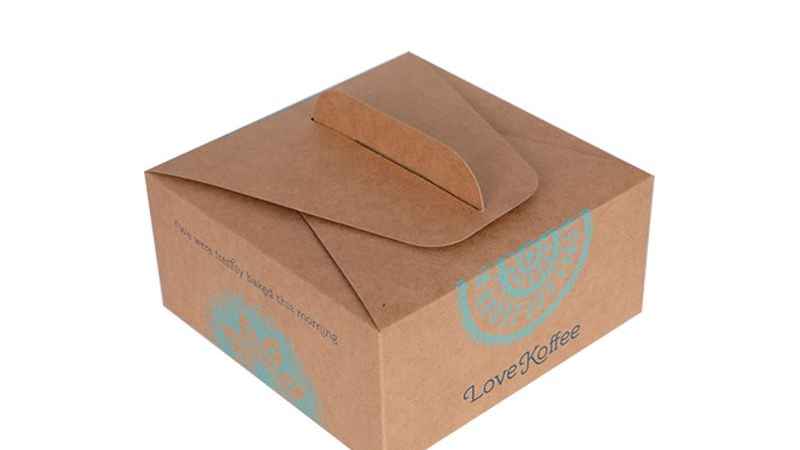
Custom printed paper packaging sample box for supplier evaluation

3. Material and Product Capabilities

The best material depends on the product, handling environment, shelf-life needs, brand position, and route to market. A packaging supplier should explain trade-offs instead of recommending the same material for every job.

Match the Format to the Use Case

FormatCommon applicationsTypical advantage
PouchesFood, coffee, supplements, personal careFlexible, lightweight, and space-efficient
Mailer boxesEcommerce and subscription productsBranded presentation with shipping practicality
Rigid boxesBeauty, gifts, and premium retailStrong presentation and perceived value
Paper bagsFashion, retail, and giftingLarge visible branding area
Food packaging bagsSnacks, coffee, and dry goodsFlexible protection for packed products

The material conversation may include kraft paper, coated paper, paperboard, corrugated board, flexible films, recycled-content options, and finishes such as matte, gloss, soft-touch, foil, embossing, or spot UV. Each affects cost, appearance, durability, recyclability, and production requirements.

Sustainability claims should be specific. If FSC-related sourcing is relevant, ask about the product scope and traceability rather than assuming every paper item carries the same certification. The FSC Chain of Custody explains how certified material is tracked through the supply chain.

Explore packaging solutions by industry and Sustainable Packaging.

4. Production Capacity and Scalability

The supplier that handles your first order may also need to support a launch, seasonal increase, new size, or repeat order. Capacity is not only the largest number a factory can produce; it is how consistently the project can be repeated.

Ask how the supplier handles sampling-to-production handover, repeat specifications, artwork revisions, scheduling, and multiple components. The goal is to avoid starting from zero every time you reorder.

An Intelligent Factory can make this handover easier by connecting artwork review, sampling, production, inspection, packing, and export coordination. Clear communication between stages gives buyers better visibility.

This matters when one launch includes boxes, pouches, inserts, tissue, stickers, paper bags, and shipping cartons. A coordinated workflow can reduce mismatched colours, inconsistent dimensions, and the classic “everything arrived except the one component we needed” problem. Learn more about our Intelligent Factory.

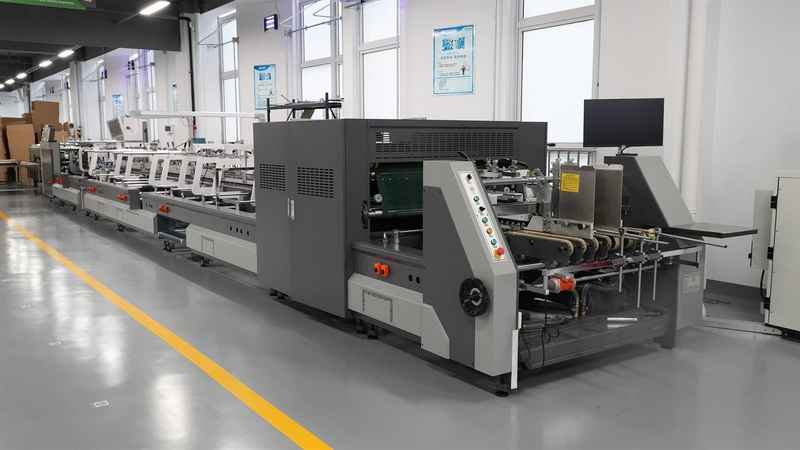
Automated paper packaging production line in a packaging factory
Production capability matters when a packaging program grows beyond a first order.

5. Compliance and Documentation Support

Compliance is not a decorative badge on a supplier profile. It depends on the product, material, manufacturing process, destination market, and claims made on the package.

For a food, cosmetic, pharmaceutical, or child-related product, ask what documentation may be relevant before production. Depending on the project, this can include food-contact information, material declarations, test reports, supplier assessments, FSC-related documents, or market-specific records.

The key question is not “Are you certified?” in isolation. Ask which site, product, material, process, and market the document covers. Then confirm whether the documentation matches the exact packaging specification you intend to buy.

A sensible review process is: identify the market, define the material and claims, confirm available documents, and close open questions before sample or production approval. See Certifications and Compliance Support and Food Packaging Compliance for related guidance.

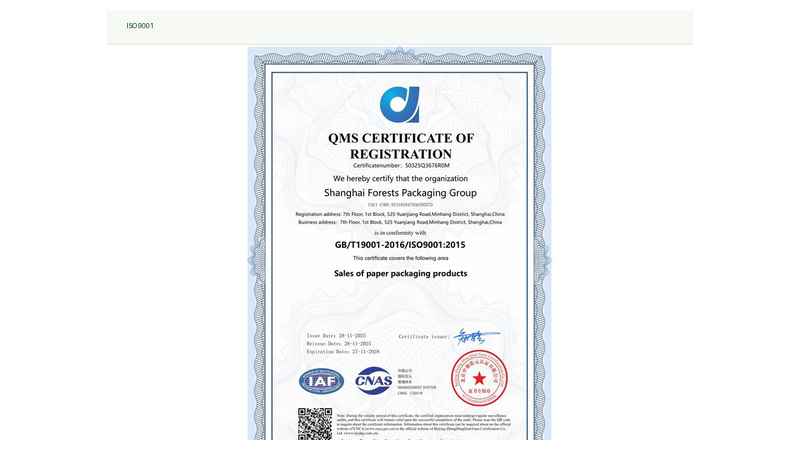
ISO 9001 quality management certification for a paper packaging manufacturer
Ask how quality management is documented—not just what a supplier claims.

6. Communication, Lead Time, and Global Delivery

Many packaging delays begin with missing information rather than slow production. A useful supplier asks about product type, format, material, dimensions, artwork, quantity, target market, sampling, destination, and required date before quoting.

The project should have visible milestones:

Eight clear checkpoints keep your custom packaging project moving.

  1. 01 Requirements

    Product, format, quantity, destination.

  2. 02 Quotation

    Price, MOQ, tooling, lead time.

  3. 03 Artwork & Dieline

    Dimensions, files, folds, finishes.

  4. 04 Sampling

    Fit, structure, colour, opening.

  5. 05 Approval

    Confirm the production reference.

  6. 06 Production

    Make to approved specification.

  7. 07 Inspection & Packing

    Quality, documents, readiness.

  8. 08 Shipment

    Dispatch, tracking, delivery.

This sequence gives both sides a shared reference and shows where a delay occurs.

For international buyers, delivery coordination is part of the service. Clear packing details, export documents, responsibilities, and destination information can prevent delays after the goods leave the factory.

Urgent Food Packaging Delivery Case
Urgent Delivery Case · July 2025

From Missing Food-Contact Files to an On-Time Packaging Recovery

Forests Packaging helped a Wisconsin dairy customer rescue an urgent order after its original supplier could not provide current FDA-related documentation.

📦
Wisconsin Dairy and cheese sector
≈2,000 Printed food boxes
3-Step Recovery process
Urgent Delivery window
⚠️

The Shipment Was Ready—But the Documents Were Not

Just before dispatch, the previous supplier could not provide the required up-to-date food-contact documentation, putting the entire order at risk.

📄
Step 1

Documentation

Relevant FDA-related food-contact files were supplied for project review.

🏭
Step 2

Fast Production

The Intelligent Factory coordinated production of the printed food boxes.

🚚
Step 3

Expedited Logistics

The dedicated logistics subsidiary arranged fast delivery to Wisconsin.

The Result

The customer received the packaging within the urgent delivery window, avoiding another failed shipment.

Custom printed food packaging boxes with open and closed carton structures
A finished food box shows how print, structure, and product presentation work together.

How to Compare Suppliers Beyond Unit Price

The lowest quotation is not always the lowest total cost. Reprints, damage, extra sampling, tooling changes, urgent freight, missed launch dates, and repeated clarification can outweigh a small unit-price difference.

Use this packaging supplier checklist when comparing proposals:

QuestionEvidence to request
Can the supplier meet the quality requirement?Inspection workflow, sample standard, relevant test plan
Can it produce the required structure?Format examples, dieline review, prototype or sample process
Can it support the materials and finishes?Material options, finish samples, technical explanation
Can it handle repeat orders?Specification records, scheduling process, project handover
Can it support the target market?Relevant documents, test reports, compliance review
Can it communicate clearly?Named contact, milestones, response process, quotation detail
Can it deliver as required?Packing plan, shipping responsibilities, realistic timeline

This shifts the conversation from “What is your price?” to “What risk is included in this price?” That is a much more useful procurement question.

What Information Should You Prepare Before Requesting a Quote?

A detailed brief helps a supplier produce a more useful custom packaging quote. Start with the product’s dimensions, weight, filling method, protection needs, storage conditions, and whether it ships individually or in master cartons.

Then describe the packaging: format, material, size, printing, finish, closure, insert, quantity, and artwork status. If you have a reference image or sample, explain what you like about it.

Finally, add the target market, destination, required date, requested documents, shipping preference, and whether the order is a trial, launch, or repeat production.

How Forests Packaging Supports Custom Packaging Projects

Forests Packaging is a Shanghai-based custom packaging manufacturer supporting global projects since 2006. Company materials record experience serving 10,000+ brands across 153 countries and regions, supported by seven wholly-owned subsidiaries.

Its 2024 Shanghai Intelligent Factory combines AI, big data, information systems, AGV industrial robots, and IoT technology. For buyers, the useful point is not the technology label; it is better visibility from project discussion and artwork review through sampling, production, inspection, packing, and export delivery.

That connection is useful when buyers need more than a catalogue item. The company supports food, beauty, ecommerce, fashion, gifts, retail, and electronics projects, with formats including bags, pouches, boxes, paper bags, labels, and accessories.

The practical advantage is clearer communication between design and production. Send the product details, format, quantity, destination, artwork, and deadline to Request a Custom Packaging Quote for a project-specific review.

FAQs

What information do I need to request a custom packaging quote?

Provide the product type, format, dimensions, material, printing, quantity, artwork status, destination, and required date. A reference image or sample can clarify the result.

Can I request a sample before placing a production order?

Yes. Sampling can confirm structure, fit, artwork, colour, finish, and opening behaviour before production. The method and cost depend on the format, materials, tooling, and project.

How do I choose the right packaging material?

Start with the product’s protection needs, filling method, storage conditions, shipping route, brand presentation, target market, and sustainability requirements. Ask the supplier to explain the trade-offs.

What determines the MOQ and lead time for custom packaging?

MOQ and lead time depend on the format, dimensions, materials, printing, finishing, tooling, quantity, sampling, and production schedule. Destination and shipping method can also affect the timeline.

Do all packaging products require the same certifications?

No. Documentation depends on the product, material, process, market, and claims. Ask for each certificate or test report’s scope and confirm that it applies to the project.

Conclusion

Choosing a custom packaging supplier is a risk-management decision as much as a design decision. Evaluate quality control, sampling, materials, scalability, documentation, communication, and delivery together, then compare the total cost rather than the unit price alone.

The right supplier gives your package a better chance of being attractive, functional, compliant, and repeatable. In packaging procurement, “repeatable” is often the quiet word doing the loudest work.